Uganda Safari Meets Wildebeest Migration in Masai Mara
The Uganda safari with wildebeest migration in Masai Mara combines the unique experiences of Uganda’s wildlife and landscapes with the dramatic wildebeest migration in Kenya’s Masai Mara. Visitors can explore Bwindi Impenetrable Forest for gorilla trekking and then witness the migration spectacle as over a million wildebeest and zebras cross into the Masai Mara from Tanzania. This itinerary can also include Tanzania safaris in destinations like the Serengeti, offering an extended wildlife adventure. Highlights often feature Big Five sightings, river crossings, and close encounters with gorillas, making it ideal for nature enthusiasts.
https://www.youtube.com/watch?v=zEp5H12vGm4&t=3s
What is the wildebeest migration, and why is it significant in the Masai Mara?
The wildebeest migration is one of the most famous animal migrations in the world, involving over a million wildebeests alongside hundreds of thousands of zebras and other antelope species. This incredible wildebeest migration experience occurs as these animals traverse the Serengeti in Tanzania and the Masai Mara safari in Kenya in a circular pattern throughout the year. Driven by the search for fresh grazing land and water, the migratory movements change with the seasons, showcasing the dynamic relationship between wild animals and their environment.
In the Masai Mara, the migration becomes particularly well-known due to the popular river crossings, especially at the Mara River. These dramatic events see the animals risking their lives to cross crocodile-filled waters in pursuit of greener pastures. The sheer size of the herds, often comprising massive herds of wildebeests and zebras, creates a spectacular natural event that captivates onlookers and wildlife enthusiasts alike.
This migration is important for the Masai Mara because it supports the ecosystem by sustaining predators like lions, cheetahs, and hyenas, which rely on the wildebeest and other prey species for food. Beyond the ecological impact, the migration also draws thousands of tourists to Kenya annually, significantly contributing to the local economy and conservation efforts.
During the peak migration season from July to October, visitors can witness thrilling wildlife encounters, including lions stalking the herds and crocodiles lunging from the river. The interconnected relationships between these animals and the landscape make this phenomenon truly exceptional, offering an unforgettable safari itinerary for those seeking adventure in the wild.
When is the best time to visit the Masai Mara for the wildebeest migration?
The best time to visit the Masai Mara for the wildebeest migration is from July to October. This period marks the peak migration season when the massive herds typically make their way into the northern parts of the Serengeti and cross into the Masai Mara in Kenya. These months are ideal because you’re likely to witness dramatic river crossings at the Mara River, a highlight of the migration experience.
The timing can vary slightly each year due to changes in rainfall patterns, which influence the migratory movements of the herds. However, in most years, July and August are prime months for the initial river crossings. September and October generally offer good views of the herds as they graze on the Masai Mara’s fertile plains before beginning their journey back to the Serengeti.
Another benefit of visiting during these months is the dry weather, which facilitates a day safari and makes it easier to navigate the reserve while spotting diverse wildlife. The presence of large predator populations during this time also means you can observe lions, cheetahs, and hyenas interacting with the herds.
For instance, witnessing a river crossing involves the wildebeest gathering on the riverbank, hesitating before finally leaping en masse into the water, dodging Nile crocodiles and strong currents. Planning a trip for this specific time ensures you increase your chances of catching this incredible spectacle.
How does Uganda complement a safari experience with the Masai Mara migration?
Uganda offers a very different safari experience that works beautifully as an addition to the Masai Mara migration. While Kenya is known for its savannah ecosystem and the dramatic scenes from the wildebeest migration safari tour, Uganda is famous for its lush landscapes, mountain gorillas, and primates. Combining these two destinations gives travelers the chance to enjoy contrasting environments and unique wildlife encounters.
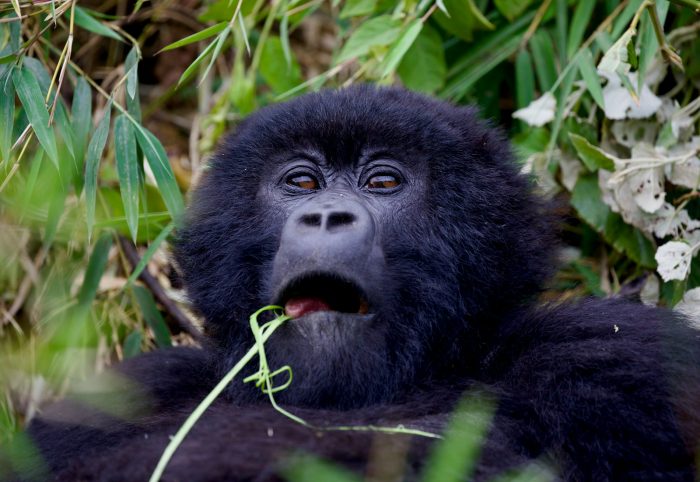
One of the highlights in Uganda is gorilla trekking, where you can venture into dense rainforests like Bwindi Impenetrable National Park or Mgahinga Gorilla National Park to observe mountain gorillas in their natural habitat. This thrilling wildlife encounter is intimate and focuses on animal behavior and conservation, offering a quieter, more reflective adventure compared to the busy plains of the Masai Mara.
Another example of Uganda’s appeal is its chimpanzee tracking, often done in Kibale Forest. Visitors can watch these intelligent primates in their forest habitat, adding a whole new dimension to their safari.
On top of primate encounters, Uganda has savannah plains too, such as in Queen Elizabeth National Park, where you can see lions, elephants, buffalo, and other large animals, similar to what you’d see in the Masai Mara. However, Uganda also has unique features like boat safaris on the Kazinga Channel or Murchison Falls, offering wildlife viewing from the water.
In short, while the Masai Mara offers the drama and scale of migration and big cat sightings, Uganda brings a more diverse and intimate experience with gorillas, chimpanzees, and other wildlife. Together, they create a well-rounded African safari, making it an excellent gorilla destination.
What are the key wildlife species to see during a Uganda safari and the wildebeest migration in Masai Mara?
In Uganda, travelers can encounter an amazing variety of wildlife, particularly in its national parks. One of the most iconic experiences in Uganda is tracking mountain gorillas in Bwindi Impenetrable Forest or Mgahinga National Park. There are only around 1,000 of these gorillas left in the world, thriving mostly in Uganda, Rwanda, and the Democratic Republic of Congo.
Chimpanzees are another highlight, especially in Kibale National Park, which is known as the primate capital of the world. In addition to gorillas and chimpanzees, Uganda is home to tree-climbing lions, which you can spot in Queen Elizabeth National Park, these lions lounge on tree branches, a rare behavior that isn’t commonly seen elsewhere.
Other notable animals in Uganda include elephants, hippos, giraffes, leopards, buffalo, and antelopes such as the Uganda kob. Murchison Falls National Park is popular for viewing crocodiles and hippos along the Nile River.
Meanwhile, in Masai Mara, the wildebeest migration is the centerpiece. Over a million wildebeest, partnered with zebras and gazelles, migrate in search of fresh grazing lands. Predators, such as lions, leopards, cheetahs, and hyenas, are often seen hunting during this migration period.
The Mara also boasts “The Big Five”: lions, elephants, leopards, rhinos, and buffalo. This safari offers excellent opportunities to spot cheetahs in the open savannah. For bird watchers, both Uganda and Masai Mara have a rich variety of bird species. Uganda alone is home to over 1,000 species, including the rare shoebill stork.
This combination of destinations lets travelers see a huge mix of species, from the large mammals to unique primates and even rare birds.
What are the popular national parks and reserves in Uganda to include in the itinerary?
Uganda is known for its diversity of national parks, each offering unique wildlife and landscapes. Bwindi Impenetrable National Park is perhaps its most famous park, as it’s home to almost half of the world’s remaining mountain gorillas. Visitors often head here for gorilla trekking, where they hike through thick forests to observe these amazing animals in their natural environment.
Another key park is Queen Elizabeth National Park. It’s one of Uganda’s most visited parks, with landscapes that include savannahs, wetlands, and Lake Edward. It’s a great spot to see tree-climbing lions, elephants, buffalo, and a wide range of birds.
Murchison Falls National Park is popular for visitors seeking spectacular landscapes. Here, the Nile River squeezes through a narrow gorge to create powerful waterfalls. The park is home to elephants, giraffes, crocodiles, and hippos.
Kibale National Park is the place to go for tracking chimpanzees. It’s considered one of the best parks in Africa for seeing primates, with about 13 species living there, including rare monkeys.
For a quieter experience, Lake Mburo National Park offers a chance to see zebras, impalas, and other smaller animals. It’s a good choice for walking safaris or boat trips. Mgahinga Gorilla National Park is another choice for mountain gorillas and volcano scenery but is smaller compared to Bwindi.
Each park offers something different, so travelers often mix several of them into their itinerary.
How can travelers combine Uganda gorilla trekking with a Masai Mara safari?
Combining Uganda gorilla trekking with a Masai Mara safari is a great way to see two very different, but equally impressive, sides of African wildlife. This thrilling wildlife encounter allows travelers to experience both a gorilla trek and the spectacular wildebeest migration safari tour. To make this combination trip, travelers typically add one destination after the other depending on their interests and schedule.
Many travelers start in Uganda for gorilla trekking. In Bwindi Impenetrable National Park, visitors join guided hikes to find a mountain gorilla family. This experience usually takes a full day, as finding the gorillas can involve several hours of walking through dense forest. After this activity, visitors might explore other Ugandan parks such as Queen Elizabeth or Kibale National Park, which are also known for their diverse wildlife.
Once the Uganda leg is complete, travelers fly to Kenya for the safari portion of the trip. There are direct flights between Entebbe International Airport in Uganda and Nairobi (Kenya’s capital). From Nairobi, you can take a domestic flight or a road transfer to Masai Mara. In the Masai Mara, the focus shifts to the open savannah and iconic predators like lions, leopards, and cheetahs, especially during the peak migration season when massive herds of wildebeests cross the plains.
A trip like this usually requires coordination between tour operators to arrange seamless transfers and accommodations. The two destinations are quite different, and packing both into a single trip offers an intimate experience with primates in Uganda and vast plains teeming with wild animals in Kenya.
What is the typical duration of a trip combining Uganda and the Masai Mara?
Trips that combine Uganda and the Masai Mara often last between 8 to 15 days, depending on the activities planned and the traveler’s interests. The duration tends to account for the diverse experiences offered in both locations, such as gorilla trekking in Uganda and observing the wildlife-rich savannas of the Masai Mara.
For a shorter trip, around 8-10 days, the itinerary might include a few days in Uganda for activities like gorilla trekking in Bwindi Impenetrable Forest and perhaps a game drive in Queen Elizabeth National Park. The remaining days would focus on the Masai Mara, where travelers can witness wildlife like lions, cheetahs, and the famous wildebeest migration.
Longer trips of 12 to 15 days allow more time to explore Uganda thoroughly. This could involve visiting other notable parks, such as Murchison Falls National Park for boat safaris, or Kibale Forest for chimpanzee trekking. In Kenya, travelers might spend extra days in the Masai Mara or visit nearby reserves like Amboseli or Lake Nakuru.
The total length of the trip will also depend on travel logistics, such as flight schedules and how much time is allocated to travel between destinations. For example, it takes time to fly from Uganda to Kenya and then drive to various parks, which is factored into the planning. Ultimately, the duration depends on the balance travelers want between adventure and relaxation.
What are the transportation options between Uganda and the Masai Mara?
Travelers can choose between flights and road travel to move between Uganda and the Masai Mara. The most common method is to fly, as the distance between the two destinations is significant. Direct flights are not always available, so travelers often fly from Entebbe International Airport in Uganda to Jomo Kenyatta International Airport or Wilson Airport in Nairobi, Kenya. From Nairobi, they can take a connecting flight or drive to the Masai Mara, where they can embark on a thrilling wildlife encounter during their wildebeest migration safari tour.
Chartered flights are another option. These smaller planes can take you directly from major Ugandan safari regions like Bwindi or Queen Elizabeth National Park to airstrips near the Masai Mara. While quicker and more convenient, chartered flights tend to cost more than commercial flights. For those keen on experiencing the day safari adventures, this option can be quite appealing.
For travelers wanting to experience the scenery along the way, a combination of road and air travel might be used. For instance, one could fly from Kampala to Nairobi and then take a scenic road trip to the Masai Mara, where they can witness the majestic migration experience. However, driving between Uganda and Kenya entirely by road is very time-consuming and only recommended for those with plenty of vacation time.
Private tour operators often assist with organizing these transportation methods to ensure smooth connections between countries. Keep in mind that flying significantly cuts down on travel time, leaving more room in the itinerary for the actual safari activities.
What types of accommodations are available during a Uganda safari and in the Masai Mara?
Both Uganda and the Masai Mara offer a wide range of accommodations to suit various budgets and preferences, from basic camping setups to luxurious lodges. In Uganda, accommodations near gorilla trekking sites, such as in the Bwindi Impenetrable Forest, often include rustic lodges with comfortable amenities that blend into the natural surroundings. Examples include mid-range lodges like Buhoma Lodge or upscale options like Sanctuary Gorilla Forest Camp, making it an excellent gorilla destination for those seeking adventure. In major parks such as Queen Elizabeth or Murchison Falls, you can find everything from budget-friendly campsites to high-end lodges like Mweya Safari Lodge or Baker’s Lodge.
The Masai Mara provides an equally broad selection of accommodation choices. For luxury stays, tented camps like Angama Mara or Mara Bushtops offer spacious tents, stunning views, and premium services, blending comfort with traditional safari experiences. Mid-range options like Basecamp Explorer provide quality amenities at more affordable prices, while budget travelers can opt for basic campsites near park entrances, perfect for those wanting to experience the wildebeest migration safari tour.
In both destinations, eco-friendly lodges are becoming increasingly popular, offering sustainable and environmentally responsible accommodations. These typically include solar power and careful waste management practices.
If travelers are on multi-day safaris, their itinerary often determines where they stay. For instance, a gorilla-trekking trip in Uganda would focus on lodges near Bwindi, while in the Masai Mara, camps are usually located near key wildlife areas, enhancing opportunities for thrilling wildlife encounters.
With so many choices, travelers can select accommodations based on convenience, comfort level, and proximity to major activities. Whether it’s a day safari or a longer adventure, the options available ensure a memorable experience in these remarkable regions.
Ultimately, the diverse wildlife and stunning landscapes make both Uganda and the Masai Mara top safari destinations for anyone looking to immerse themselves in Africa’s natural beauty.
What travel permits or requirements are essential for gorilla trekking and Masai Mara safaris?
To participate in gorilla trekking in Uganda and enjoy a safari in Masai Mara, there are essential permits and requirements travelers need to be aware of. For gorilla trekking in Uganda, a gorilla trekking permit is required. This permit grants access to protected areas, such as Bwindi Impenetrable National Park or Mgahinga Gorilla National Park, where the mountain gorillas live. These permits, issued by the Uganda Wildlife Authority (UWA), typically cost around $700 per person for international travelers (as of 2023). It’s crucial to book permits well in advance because they are limited to protect the gorilla population and ensure sustainable tourism. For Kenyan travelers wanting to trek in Uganda, fees may differ based on the specific safari itinerary chosen.
For entry to the Masai Mara, travelers need to pay park entry fees. These fees are usually included in safari packages organized by tour operators but can also be purchased separately. Costs for non-residents are around $70 per adult per day, while children pay less. Many travelers also opt for a wildebeest migration safari tour during peak times to witness the spectacular annual migration, which is a highlight of visiting this region.
In addition to these permits, you will also need travel visas for Uganda and Kenya. Most visitors can apply for an East Africa Tourist Visa, which allows entry into Uganda, Kenya, and Rwanda on a single visa. This visa currently costs $100 and is convenient if you’re combining multiple destinations.
Health requirements include proof of a yellow fever vaccination for entry into Uganda and Kenya. Many travelers also consider taking antimalarial medication and carrying proof of COVID-19 vaccination, as some regulations related to the pandemic may still apply.
Bring a valid passport, usually with at least six months of validity remaining, and consider travel insurance to cover unforeseen issues, especially for health or cancellations.
How much does a Uganda safari with the Masai Mara migration typically cost?
The total cost of combining a Uganda safari with the wildebeest migration safari tour in the Masai Mara varies widely depending on travel preferences, duration, and level of luxury in accommodations. For budget travelers, joining group tours or focusing on mid-range lodges or tented camps offers costs starting around $3,500–$5,000 per person for a 7 to 10-day trip. This usually includes permit fees, accommodation, meals, and game drives but excludes international flights.
For mid-range trips, costs typically range from $5,000–$7,500 per person. These packages may feature private vehicle hire, more comfortable lodges, and guided experiences. They usually include gorilla permits for trekking in Uganda, Masai Mara park fees, transport between Uganda and Kenya, and internal flights for convenience.
For luxury travelers, these trips can exceed $10,000 per person. High-end experiences often include luxury tented camps or lodges, private game drives, chartered flights, and personalized itineraries. Meals, beverages, and guided services tend to be of the highest quality in these cases.
Additional costs to consider include international flights to either Entebbe (Uganda) or Nairobi (Kenya), gratuities for guides and staff, travel insurance, and optional activities such as hot air balloon rides over the Masai Mara or cultural village visits.
Examples: A journey of 4 days in Uganda visiting Bwindi and 3 days in the Masai Mara might cost around $6,000 per person for a midrange plan. Extending the trip, adding private flights, or staying in top-tier lodges will naturally push the cost higher. Always compare itineraries carefully, as inclusions and accommodations can vary significantly between tour operators.
What wildlife and cultural experiences make this combination safari unique?
Combining a Uganda safari with the Masai Mara migration offers a unique blend of experiences that are hard to replicate elsewhere in Africa. In Uganda, gorilla trekking in Bwindi Impenetrable National Park or Mgahinga Gorilla National Park provides an extraordinary opportunity to observe mountain gorillas up close in their natural habitat. This activity is highly engaging and focuses on conservation, offering insights into the behavior and challenges faced by this endangered species.
Beyond gorilla trekking, Uganda’s other wildlife highlights include tree-climbing lions in Queen Elizabeth National Park, large populations of elephants, buffaloes, and hippos, and birdwatching opportunities with over 1,000 recorded species. Locations like Kibale National Park also allow chimpanzee tracking, presenting another close encounter with primates, and thrilling wildlife encounters with small primates.
In the Masai Mara, the annual wildebeest migration safari tour is a spectacular natural event involving millions of wildebeests, zebras, and gazelles crossing the Mara River. Predators such as lions, cheetahs, and hyenas are often closely following the herds. Witnessing this migration presents incredible opportunities for dramatic wildlife observation, especially during the peak migration season.
Culturally, visitors can engage with the Maasai people in Kenya, learning about their traditions, lifestyle, and connection to the land. This often includes visits to villages where travelers can see traditional dances, crafts, and clothing.
Combining these two countries provides a variety of habitats and ecosystems. Uganda offers lush rainforests and diverse primate species, while Kenya provides savannah landscapes teeming with large mammals. The cultural experiences, whether engaging with the Maasai in Kenya or local communities in Uganda, deepen the safari experience by adding personal, human connection to the remarkable wildlife encounters. For example, attending a Maasai ceremony or learning about conservation efforts from local guides adds layers of meaning to the trip.
How To Book Your East African Safari
Now that you understand what makes a Uganda safari combined with the wildebeest migration safari tour in Masai Mara so magical, it’s clear why it’s such a bucket-list-worthy experience. Planning your trip is best done by selecting a trusted safari company that guarantees every detail is unforgettable. Start your journey today by exploring East Africa trusted safari companies and book your once-in-a-lifetime migration experience now!