Kidepo Valley National Park Safaris offer a unique wildlife experience in one of Uganda’s most remote parks, known for its untamed wilderness and diverse species. Located near the borders of Kenya and South Sudan, the park features breathtaking landscapes, including savannahs, rugged mountains, and valleys. Visitors can spot elephants, lions, cheetahs, and over 475 bird species. Popular activities include game drives, guided nature walks, and cultural visits to the Karamojong villages.
Where is Kidepo Valley National Park located?
Kidepo Valley National Park is located in the northeastern part of Uganda, a country in East Africa. It lies near the borders of South Sudan and Kenya. Covering an area of approximately 1,442 square kilometers, it is situated within the Karamoja region, a remote area characterized by its rugged terrain and low-lying valleys.
Getting to the park involves traveling to a relatively distant part of Uganda compared to more central attractions like Murchison Falls or Bwindi Impenetrable Forest. The nearest large town is Kitgum, about 220 kilometers away from the park, though Kampala, Uganda’s capital city, is much farther at around 700 kilometers. Due to its remote location, Kidepo Valley National Park provides a more untouched, authentic wilderness experience compared to other parks.
There are also two main valleys within the park – the Narus Valley and the Kidepo Valley – which define the park’s distinctive geography. These valleys give the park its name and provide critical water sources for wildlife. Its location makes it a less crowded destination for travelers seeking to enjoy solitude and panoramic views of nature.
What is the best time of year to visit Kidepo Valley National Park?
The ideal time to visit Kidepo Valley National Park is during the dry seasons, which typically fall between December to February and June to September. These months are characterized by less rainfall, making it easier to navigate the park’s dirt roads and access various attractions. During this time, the wildlife is more concentrated around water sources like the Narus Valley, which improves the chances of seeing a wide variety of animals.
In the wet seasons, which occur from March to May and October to November, heavy rains may make some areas difficult to access due to muddy roads. The vegetation also becomes lush and dense, which can make spotting animals slightly more challenging. However, the rainy season is an excellent time for bird watchers, as many bird species, including migratory birds, are present in the park.
If you’re hoping to take stunning photos of wildlife or landscapes, the clear skies and bright, dry conditions during the dry season provide ideal lighting. On the other hand, visitors interested in enjoying a quieter park with fewer tourists might still appreciate exploring during the less busy rainy months, though planning carefully for road conditions is necessary.
What are the main wildlife species one can see in Kidepo Valley National Park?
Kidepo Valley National Park is home to a wide range of wildlife species, many of which are unique to the region and cannot be easily seen in other parts of Uganda. One of the main highlights of the park is its population of predators, including lions, leopards, cheetahs, and hyenas. Kidepo is especially well-known for its tree-climbing lions, which are often found lounging in trees in the Narus Valley.
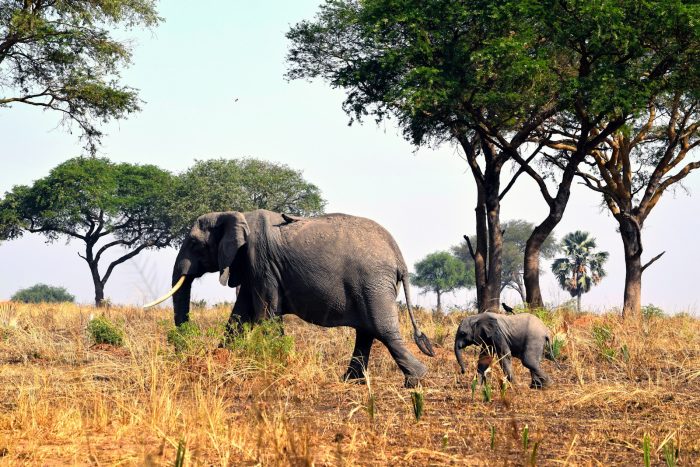
Large herbivores like elephants, zebras, and buffaloes are abundant throughout the park. Visitors may also encounter giraffes, which are particularly common because of the open savannahs that suit their feeding habits. Waterbucks and hartebeests are frequently sighted grazing in the plains as well.
One of the unique species found here is the ostrich, a large flightless bird that thrives in the park’s semi-arid conditions. It is one of the few places in Uganda where ostriches can be seen. Other notable birds include the Kori bustard, secretary bird, and Karamoja apalis, which is named after the region.
Additionally, Kidepo is known for rare antelope species like the greater kudu and roan antelope, which are not easily found in other East African parks. The variety of wildlife makes it a must-visit destination for those interested in exploring species diversity within remote African wilderness areas.
What is the unique landscape or geographical feature of the park?
Kidepo Valley National Park in Uganda is famous for its rugged and dramatic landscapes, making it a standout destination for nature enthusiasts. One of the most unique geographical features is the sweeping savannah plains, interspersed with rocky outcrops and bordered by distant mountains. The valley itself, after which the park is named, is a flat and vast expanse that contrasts beautifully with the surrounding terrain.
The Narus Valley, another notable feature of the park, is a key area that supports much of the park’s wildlife. It has consistent water sources, particularly during dry seasons, which makes it a hotspot for animals. On the other hand, the Kidepo Valley is known for its dry riverbeds, including the impressive seasonal Kidepo River. During the wet season, the river flows and transforms the landscape, but for most of the year, the river remains dry, leaving behind sandy beds that are fascinating to explore.
Other distinct elements in the park include the Kanangorok Hot Springs, located near the Sudan border. These hot springs are a geologically interesting feature where visitors can see water bubbling up from underground. Additionally, the mountain ranges to the east and west, including the Morungole Mountains, create a dramatic backdrop and add to the park’s varied beauty.
What types of safari activities are available at Kidepo Valley National Park?
Visitors to Kidepo Valley National Park have the chance to participate in diverse safari activities. Game drives are among the most popular and allow visitors to see a wide range of animals, including lions, elephants, giraffes, and buffalo. These drives are typically offered at specific times, such as early in the morning or late in the afternoon, when animals are most active.
Guided nature walks are another great way to explore the park, providing a more personal and detailed perspective on the flora, smaller animals, and bird species that might go unnoticed during a game drive. The Narus Valley is particularly suitable for these walks, as it has concentrated wildlife and easier terrain.
Bird watching is another favorite activity, as the park is home to over 475 bird species. Enthusiasts can spend hours identifying rare and fascinating birds like the Kori bustard, Abyssinian ground hornbill, secretary bird, and many others.
For those interested in culture as part of their experience, visiting the neighboring Karamojong or Ik communities can be arranged. These cultural visits often include traditional dance performances, learning about local lifestyles, and meeting elders of the community.
Are guided tours available, or can visitors explore the park independently?
Yes, guided tours are readily available for Kidepo Valley National Park. These tours are typically organized through the Uganda Wildlife Authority or private safari companies. Professional guides help visitors make the most of their time by sharing their extensive knowledge of the area’s wildlife, plants, and cultural ties. Guided tours are available for both game drives and walking safaris and are highly recommended for those unfamiliar with the park or wanting to learn more about its features.
While it is possible to explore the park independently, there are some restrictions and factors to consider. For instance, self-driving is an option for people with 4×4 vehicles, but the park’s remote location and rough terrain can make this challenging for some travelers. Visitors also need to be aware of safety protocols around wildlife and follow the designated trails to avoid causing harm to the environment or animals.
In general, the choice between guided tours and independent exploration depends on personal preferences, budget, and familiarity with such settings. However, those new to African safaris or wanting a deeper understanding of the park will benefit significantly from guides. Having a guide often increases the chances of spotting more elusive animals like cheetahs and leopards, as they are experienced in tracking and finding wildlife.
What is the accommodation like in and around Kidepo Valley National Park?
The accommodation options around Kidepo Valley National Park include a mix of lodges, campsites, and budget-friendly guesthouses. These accommodations cater to a variety of travelers with different budgets and preferences.
Within the park itself, there are high-end safari lodges designed to offer a luxurious stay amidst the wilderness. These lodges typically feature well-furnished rooms or tents, private bathrooms, and amenities like dining areas, swimming pools, and stunning views of the Kidepo Valley landscape. Apoka Safari Lodge is one of the more well-known choices, providing high-quality services and comfort.
For travelers on a tighter budget, there are mid-range options such as bandas (self-contained rooms) or tented camps inside or near the park. These provide a comfortable stay with basic amenities like running water and meals but are less extravagant than luxury lodges. Nga’Moru Wilderness Camp, for example, offers a more affordable, yet relaxed, experience close to the wildlife.
Camping is also an option for those looking for an adventurous and affordable stay. Campsites inside the park allow visitors to pitch their tents and enjoy a closer connection to nature, though camping requires preparation, as facilities are generally more basic (think pit latrines and lack of running water). Wildlife can be heard close by, elevating the outdoor experience.
Outside the park, in nearby towns like Kaabong, there are simpler guesthouses or lodgings. These accommodations are more cost-effective and suitable for visitors who don’t need to stay within the park boundaries. While these options might lack luxury, they still serve as a convenient base for exploring the area.
The variety ensures there’s an option for families, solo travelers, and small groups, making planning a stay relatively flexible.
How can one access Kidepo Valley National Park from major cities or airports?
Reaching Kidepo Valley National Park can be done via road or air, though it’s worth noting that the park is located in a remote corner of northern Uganda near the borders with South Sudan and Kenya. The distance from Uganda’s capital, Kampala, to the park is considerable, requiring some planning.
BY ROAD: Traveling by road from Kampala or other central areas of Uganda to the park is the most common method for those wanting to drive themselves or join a guided trip. The journey from Kampala to Kidepo covers around 700 kilometers, taking approximately 10-12 hours depending on the route and road conditions. The route often passes through towns like Gulu or Kitgum, providing rest stops and refueling spots along the way. While scenic, the roads can be rough, so a sturdy 4×4 vehicle is highly recommended.
If traveling via private tour operators, many provide organized road trips to the park, which include stops at attractions along the way. Public transportation, such as buses to nearby towns like Kitgum or Kaabong, can also be used, but from these towns, additional local arrangements may need to be made for reaching the park.
BY AIR: For visitors seeking a quicker option, chartered flights are available. Domestic airlines or operators provide direct flights from Entebbe International Airport (the main entry point for international travelers) or Kajjansi Airfield near Kampala to Kidepo’s airstrip. Flights typically take around 2 hours and cut down on the travel hassle of long drives.
While air travel is more expensive, it is a convenient choice for travelers with limited time or those who want to skip road travel. Once you land at the airstrip, game drives or transfers to lodges can be prearranged.
Both road and air travel have their own advantages, and the choice largely depends on budget, time, and the type of experience visitors are looking for.
Are there any cultural or community experiences to explore near the park?
Kidepo Valley National Park isn’t only known for its wildlife but also for the rich cultural heritage of the communities living nearby. Visitors can engage with local groups to learn about their traditions, way of life, and history.
One prominent group in the area is the Karamojong people, a semi-nomadic pastoralist community with a distinct culture. Visitors can participate in cultural tours to nearby Karamojong villages, where they are welcomed warmly and given insights into the community’s cattle-centered lifestyle. Activities include visiting traditional homesteads (manyattas), observing dances, and being introduced to their storytelling and traditional dress. The community is often eager to share their experiences and craftwork, like bead jewelry and other handmade items, which visitors can purchase as souvenirs.
Another community worth exploring is the Ik people, a smaller ethnic group residing in the Morungole Mountains near the park. This group is less modernized, and their remote location adds a unique element to the experience of learning from them. A hike to their villages offers tourists both physical activity and a rare chance to see their way of life, which has remained largely unchanged over time.
Engaging with these communities also has a positive impact, as it provides financial support and highlights the importance of preserving their culture.
Cultural activities like these enrich the overall visit to Kidepo Valley National Park by shining a light on the human element of the region, balancing the natural and cultural attractions.
What conservation efforts are in place to protect the wildlife and environment of the park?
Kidepo Valley National Park in Uganda features a range of conservation efforts aimed at protecting its wildlife and unique environment. The Uganda Wildlife Authority (UWA) plays a key role in managing the park, ensuring its ecosystems and animals are safeguarded. This includes measures such as anti-poaching patrols, which are necessary to reduce illegal hunting and protect species like lions, elephants, buffalo, and cheetahs.
Important community-based conservation programs also exist around the park. Local communities are involved in protecting the park’s resources since they live nearby and often interact with the park. By including them in discussions about conservation and sharing park revenue with these communities, the UWA helps create awareness and minimizes human-wildlife conflicts.
Efforts also address environmental protection. For example, the park focuses on maintaining its grasslands and dry savanna habitats, which are home to a diverse range of species. Fire management programs are in place to prevent destructive wildfires, which can harm wildlife and resources.
Tourism plays a role, too. Money collected through entry permits and activities is reinvested into better park services, research, and community projects. Additionally, partnerships with international conservation groups bring funds and expertise to protect endangered species and mitigate challenges like climate effects.
For example, the reintroduction of endangered species, such as the ostrich, is being considered to ensure that local biodiversity is preserved. Raising public awareness about the importance of wildlife ensures individuals from various parts of the world contribute to conservation indirectly, often through ethical tourism.
What entrance fees or permits are required for visiting the park?
Visiting Kidepo Valley National Park requires the purchase of entrance permits, the cost of which is set by the Uganda Wildlife Authority (UWA). Fees vary depending on the visitor’s residency status, Uganda residents, East African citizens, foreign residents, and international tourists all have different rates. These fees help maintain the park and support conservation efforts.
As of recent policies, international tourists are charged approximately $40 per adult per day, while children under 15 pay a reduced fee (usually around $20). For East African citizens, the price is much lower; they might pay about UGX 20,000 (approx. $5), with East African children paying even less.
Apart from the general entrance fee, additional permits may be required for specific activities. For instance, game drives or guided walks may come with extra charges. Some visitors opt for guided tours, and for these, guide fees also apply.
For those interested in filming or photography, permits for commercial shoots are priced differently, often based on the scale and purpose. Researchers might also need to buy specific permits if they’re conducting studies in the park.
It is recommended to book in advance through the Uganda Wildlife Authority or an authorized tour operator to avoid any delays. Visitors can also pay fees at the park’s entrance gate, though having cash in Ugandan Shillings or US Dollars is often preferred.
If planning multi-day visits, tourists might consider staying at lodges or campsites that have package deals inclusive of permits. For residents within Uganda, presenting identification documents like a national ID can qualify for reduced rates.
Is Kidepo Valley National Park suitable for family or group trips?
Yes, Kidepo Valley National Park is a good option for families and groups looking for an outdoor adventure in a natural setting. The park is spacious, with open savanna landscapes, mountain views, and a variety of wildlife that can be enjoyed by all age groups. Its remote location also makes it an opportunity for families or groups to connect through shared experiences in nature.
For a family trip, there are several child-friendly activities. Easy-to-access safari game drives allow children to safely watch fascinating animals like zebras, giraffes, and elephants. Guides can also provide simpler, fun descriptions of the wildlife to encourage curiosity among younger visitors. Additionally, families can engage with nearby cultural communities, like those from the Karamojong or Ik tribes, to learn about traditions and local lifestyles in a way that’s enriching for both adults and children.
For group trips, there are plenty of options to customize the experience. Lodges in and around the park often offer accommodations that cater to larger groups, with shared or private rooms, meals, and even organized activities within their packages. Guests can take part in shared group safaris, guided nature walks, or even evenings by a campfire.
One thing to keep in mind is planning in advance, especially for larger groups or families with small children. Accessing the park can involve long drives or flights, which might require extra preparation to ensure a comfortable journey. Also, while the park is safe for visits, bringing essentials like first aid, snacks, sunscreen, and insect repellent is necessary, especially for families with children.
Whether bonding over watching lions roaming freely or exploring the Nangamoru Mountain range together, both families and groups are likely to enjoy the combination of wildlife, relaxation, and cultural activities at Kidepo Valley National Park.
How to Book Your Kidepo Safari in Uganda?
So, now you know what makes Kidepo Valley National Park a hidden gem, why it’s worth exploring, and how a safari can offer unforgettable wildlife encounters in this breathtaking destination. Ready to turn your dream adventure into reality? It’s simple, connect with the best safari companies in Uganda for a seamless, expertly planned trip. Don’t wait, your Kidepo Valley safari adventure starts with one click. Let’s make your safari experience truly unforgettable!