 From $4,500
10 Day Uganda Safari, Wildlife and Nature
Average Cost of 10 Day Safari in Uganda Budget 10‑day Uganda Wildlife and Nature safaris typically cost between US $2,800 and US $3,500 per…
View Package →
We list Uganda safari packages with prices. These safari itineraries are provided by the best safari companies in Uganda. Among the top Uganda safaris tours include gorilla trekking of over 450 of these endangered apes, over 1000 bird species, 330 mammals and different primate species in the 10 National Parks.
From $4,500
Average Cost of 10 Day Safari in Uganda Budget 10‑day Uganda Wildlife and Nature safaris typically cost between US $2,800 and US $3,500 per…
View Package →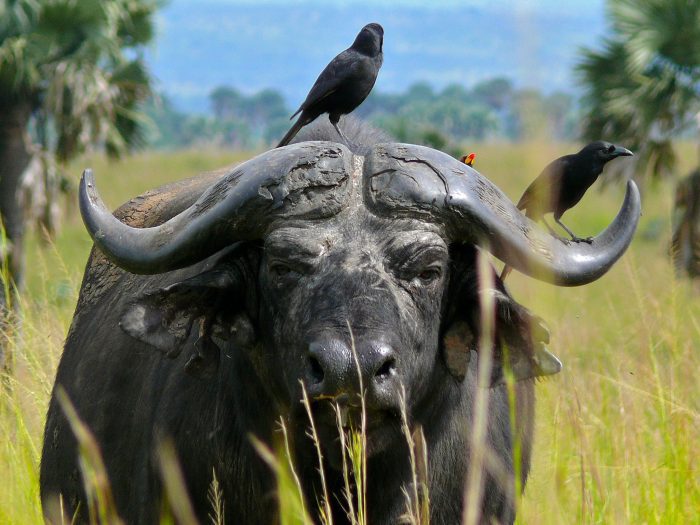 From $3,800
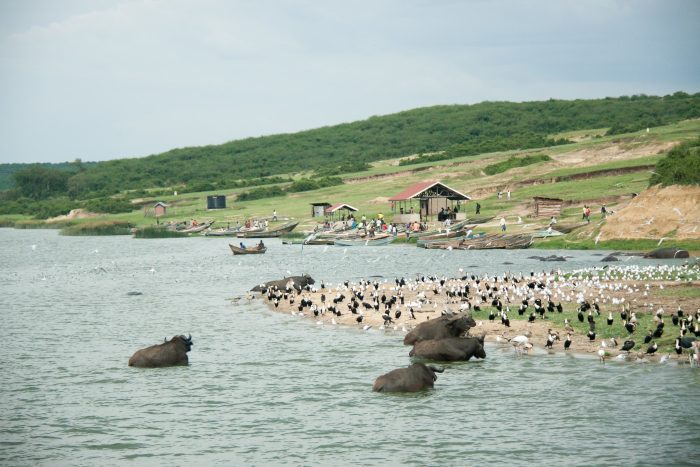
This 11 Day Safari takes you to Uganda’s largest National Park – the Murchison Falls National Park through which the great River…
View Package →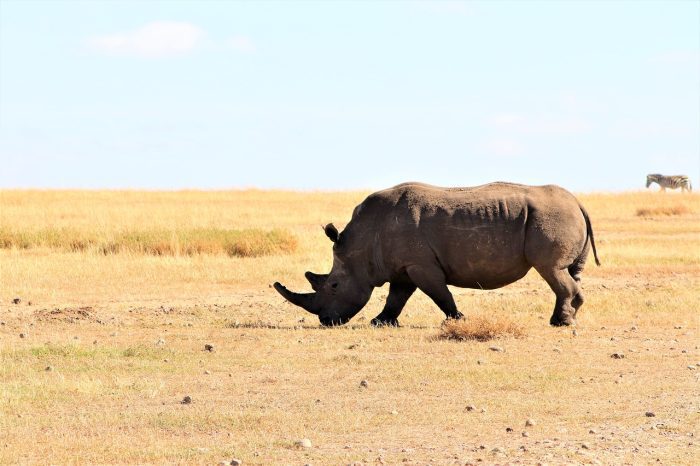 From $3,800
This 12-day Safari in Uganda offers you the best of Uganda rich wildlife abundance, beautiful scenery and a unique cultural experiences. You…
View Package →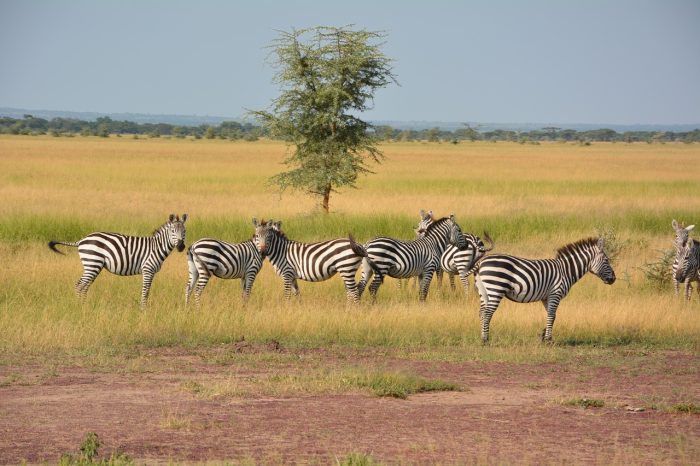 From $4,300
This 13 Day Uganda and Rwanda Gorilla Wildlife Safari gives you total encounter of the amazing wildlife in Uganda – the Pearl…
View Package →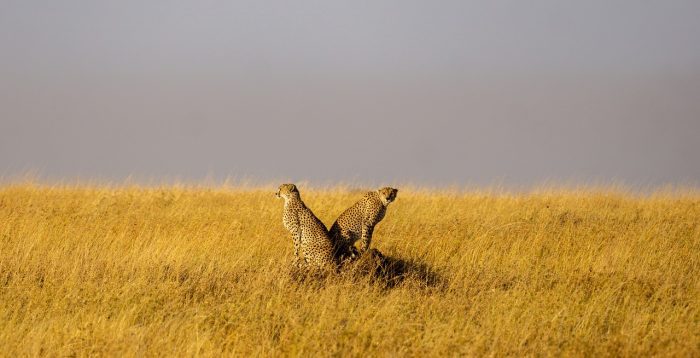 From $4,000
This 14 Days Best of Uganda Safari takes you to Ngamba Islands home of the rescued and orphaned chimpanzees found on Lake…
View Package → From $4,500
On this 15 Day Uganda Safari, get a chance to Experience Uganda’s rich wildlife abundance, beautiful scenery, and remarkable cultural experiences. The…
View Package →The best Uganda wildlife safaris offer exceptional opportunities to explore renowned destinations like Bwindi Impenetrable Forest for gorilla trekking, Queen Elizabeth National Park for tree climbing lions and boat safaris, and Murchison Falls National Park for game drives and river cruises. Popular activities include tracking chimpanzees in Kibale Forest, birdwatching in Mabamba Wetlands, and witnessing breathtaking landscapes at Rwenzori Mountains. Wildlife-rich areas like Uganda complement Tanzania safaris, providing a unique combination of big game viewing and primate experiences, making it a top choice for adventure and nature lovers.
Best Destinations
Uganda is home to many incredible national parks and reserves known for their rich biodiversity and unique wildlife. Below are some of the most popular destinations for Uganda safaris:
This is one of Uganda’s most visited parks and is famous for its wide variety of wildlife, including elephants, lions, buffaloes, and leopards, as well as unique tree-climbing lions found in the Ishasha sector. It’s also known for boat cruises on the Kazinga Channel, which offer amazing views of hippos, crocodiles, and aquatic bird species.
Found in northwestern Uganda, this park is named after the dramatic Murchison Falls, where the Nile River squeezes through a narrow gorge. Visitors can see elephants, giraffes, lions, and even occasionally leopards. The Nile River within the park also supports a massive number of hippos and crocodiles.
Known primarily for mountain gorilla trekking, this UNESCO World Heritage Site is one of the most significant gorilla conservation regions in the world. Apart from gorillas, visitors may also spot colobus monkeys, forest elephants, and a variety of bird species.
Regarded as one of the best places in East Africa for primate sightings, this park is home to chimpanzees, as well as other primates like red-tailed monkeys, L’Hoest’s monkeys, and black-and-white colobus monkeys.
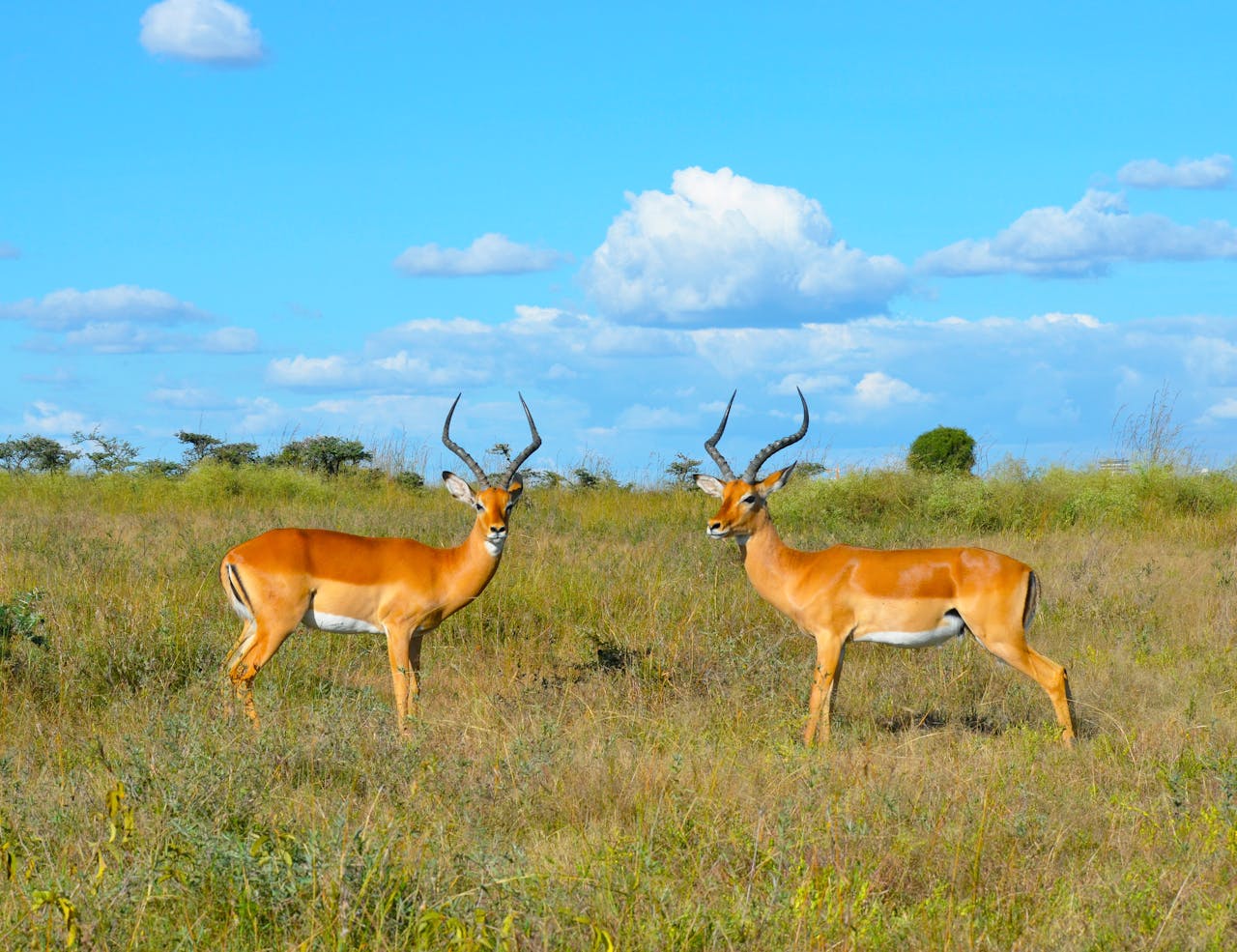
Although smaller, this park is ideal for spotting zebras, elands, impalas, and grazing antelopes. It also offers walking safaris and boat tours, providing an alternative to the classic game drive experience.
Located in a remote part of northern Uganda, this park offers a feeling of exclusivity and is known for its stunning landscapes. The park is excellent for viewing big cats like lions and cheetahs as well as large herds of buffaloes.
Each park offers a unique experience, so the best choice depends on travelers’ interests, whether it’s gorilla trekking, big game viewing, or exploring remote wilderness areas.
When to Visit
The timing of your safari plays a big role in what you’ll see and how much you’ll enjoy the experience. Uganda’s weather is primarily influenced by two rainy seasons, and the best time to visit generally falls during its dry seasons.
Dry Seasons (Best Time for Safaris): The two dry periods occur between December to February and June to September. During these months, conditions are ideal for game drives, as animals tend to gather around waterholes and are easier to spot due to reduced vegetation. Additionally, trekking for mountain gorillas or chimpanzees is more comfortable because the trails are less muddy.
For gorilla trekking, it is advisable to book permits well in advance, especially in the peak months (June to September), as availability can become limited.
Wet Seasons (March to May, October to November): These months see heavier rains, making some roads and trails harder to navigate. However, this can be a rewarding time for bird watchers, as the landscape is lush and several migratory bird species are present. Sightings of animals can be somewhat more scattered as they don’t rely as heavily on water holes during this time.
While the weather is a factor, Uganda generally has a pleasant climate that makes it possible to visit all year round. Even during the wet season, the rains often occur in short bursts, and safari activities can still proceed — though preparation for muddy roads and challenging terrain is essential.
In summary, dry seasons are preferred for better wildlife viewing and easier trekking conditions, while the wet season offers benefits for bird enthusiasts and those looking to enjoy lush, green landscapes.
The Wildlife
Uganda is celebrated for its diverse wildlife and is one of the few countries where visitors can see the “Big Five” animals (lions, elephants, leopards, buffaloes, and rhinos) alongside rare primates like mountain gorillas and chimpanzees.
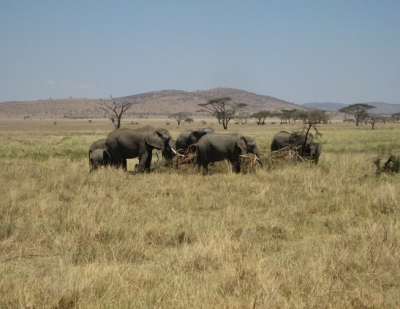
Uganda’s savannah parks, such as Queen Elizabeth and Murchison Falls National Parks, are home to elephants, lions, leopards, and vast herds of buffaloes. In Ziwa Rhino Sanctuary, you can see the rare rhinos, completing the Big Five experience.
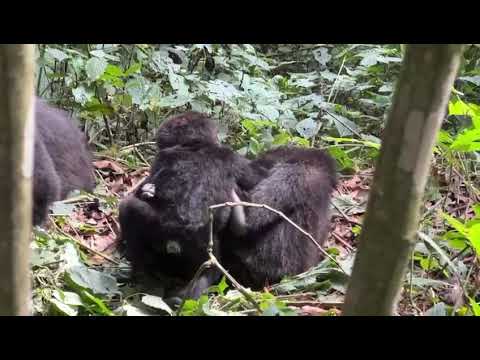
The dense forests of Bwindi Impenetrable National Park and Mgahinga Gorilla National Park harbor about half of the world’s remaining mountain gorilla population. Trekking to observe these gentle giants up close is one of Uganda’s biggest attractions.
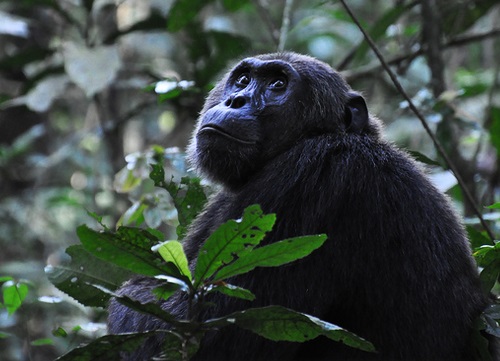
Kibale National Park is renowned for its large population of chimpanzees. Visitors can also spot them in Budongo Forest and Kyambura Gorge in Queen Elizabeth National Park.
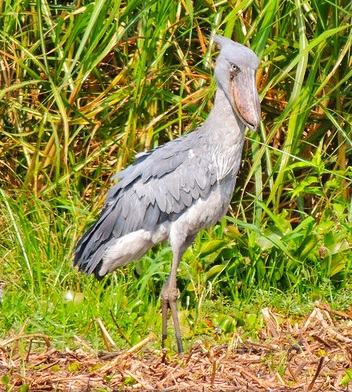
Uganda is known for several animals that you won’t easily find elsewhere. Notable species include the tree-climbing lions of Queen Elizabeth National Park, Rothschild’s giraffes, endemic Uganda kob antelopes, zebras in Lake Mburo National Park, and shoebill storks found in wetlands like Mabamba Swamp.
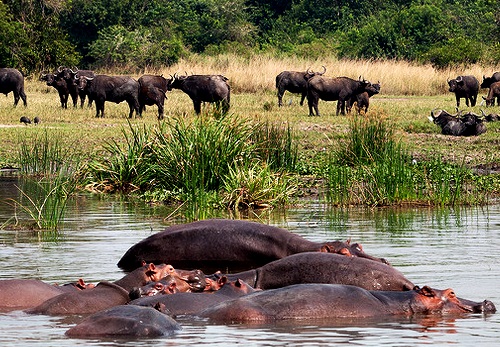
Hippopotamuses and crocodiles abound in Uganda’s major waterways, especially along the Nile River in Murchison Falls National Park and the Kazinga Channel in Queen Elizabeth.
With over 1,000 bird species recorded, Uganda is a paradise for bird enthusiasts. Visitors can spot species ranging from the shoebill to colorful bee-eaters and African fish eagles.
Uganda vs the Region
Uganda’s wildlife safaris stand out primarily because of their unique focus on primates, particularly mountain gorillas and chimpanzees. While Kenya and Tanzania are famous for their wide-open savannas and annual wildebeest migration in places like the Masai Mara and Serengeti, Uganda offers a very different experience. Its dense forests, such as Bwindi Impenetrable National Park and Kibale National Park, provide habitats to primates that are not commonly found in those countries.
Another key difference is Uganda’s diverse landscape. Beyond savannas, it boasts forests, wetlands, mountains, and lakes, offering experiences that range from gorilla trekking to boat safaris on the Nile in Murchison Falls National Park. In contrast, safaris in Kenya and Tanzania tend to focus more heavily on large herds of animals like lions, elephants, zebras, and giraffes in primarily open grasslands.
Although Uganda has iconic wildlife like the “Big Five,” its safaris are generally smaller in scale compared to Kenya and Tanzania’s more developed safari tourism infrastructure. Uganda often offers a quieter, less crowded experience, as it has fewer tourists compared to the well-known game parks across its neighbors’ borders.
For those specifically interested in gorilla trekking, Uganda presents a more accessible and cost-effective option than Rwanda, its main competitor in this unique activity. Bwindi Impenetrable Forest in Uganda has more habituated gorilla families than Rwanda’s Volcanoes National Park. While Kenya and Tanzania offer spectacular traditional safaris, Uganda is ideal for someone looking for a combination of unique, forest-based wildlife encounters alongside classic savanna adventures.
Top Experiences
Uganda is famous for several wildlife experiences that can’t easily be matched elsewhere. One of the most iconic is gorilla trekking in Bwindi Impenetrable National Park or Mgahinga Gorilla National Park. Visitors hike through dense forests to spend a precious hour with endangered mountain gorillas in their natural habitat. This experience is rare worldwide, as mountain gorillas only live in Uganda, Rwanda, and the Democratic Republic of Congo.
Uganda’s Kibale National Park is one of the best places to observe chimpanzees up close. Participants follow guides deep into the forest to watch these intelligent creatures in their natural surroundings, often hearing their loud calls and witnessing their complex social behaviors.
For those interested in water-based wildlife encounters, Uganda offers boat safaris. In places like the Kazinga Channel in Queen Elizabeth National Park or the Nile River in Murchison Falls National Park, travelers can see animals like hippos, crocodiles, elephants, and colorful birdlife from the water’s edge.
Uganda also provides the rare opportunity to see tree-climbing lions in Ishasha, a region within Queen Elizabeth National Park. Very few places in Africa offer this experience, which involves spotting lions lounging in tree branches, a unique behavior thought to help them escape insects or keep cool.
Lastly, visits to Lake Bunyonyi, one of the deepest lakes in Africa, offer tranquil scenery, cultural interactions, and canoeing experiences. This variety makes Uganda a great destination for people looking for wildlife combined with distinctive, adventurous activities in varied environments.
Pricing 2025
The cost of a Uganda wildlife safari can range widely depending on the activities, type of accommodation, group size, and length of travel. A budget safari might cost between $150 and $300 per day per person, while a mid-range safari is generally around $350 to $600 per day. Luxury safaris can go upwards of $700 to over $1,000 per day depending on high-end accommodations, private vehicles, or chartered flights.
The most significant factor influencing costs is whether gorilla trekking is included. A gorilla trekking permit in Uganda costs $800 per person (2025), making it a substantial portion of any budget. Permits for chimpanzee tracking, though cheaper, still cost between $200 and $300.
Accommodation also plays a significant role in pricing. Uganda provides options ranging from basic tented camps and hostels to upscale safari lodges. While amenities like hot showers or gourmet meals come at a premium, budget travelers can still find simpler options with good services.
Transportation is another cost consideration. Travelers who opt for private vehicles with a guide/driver will spend more compared to those sharing a group safari. Air travel between parks, while faster, is far more expensive than driving.
The number of activities included also affects pricing. Adding on boat safaris, guided walks, or cultural visits will raise the total cost. Overall, Uganda safaris tend to be more affordable than those in neighboring Rwanda, particularly for gorilla trekking, but costs can still add up.
Use our online Uganda safari calculator for your price estimates.
Safari Styles
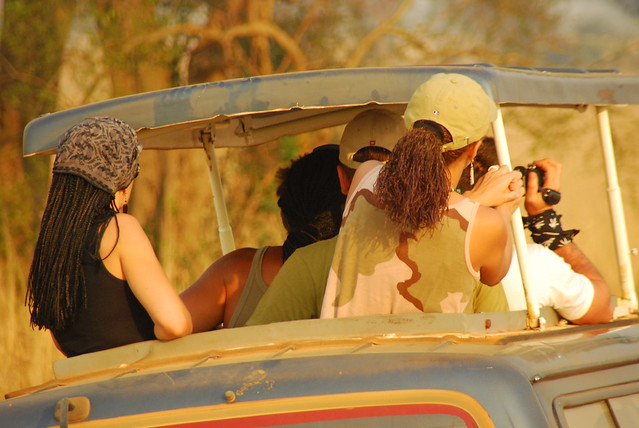
These are the most common and recommended option for exploring Uganda’s wildlife. A professional guide accompanies you throughout the safari, sharing their expertise about animals, plants, and the local environment. Guides can also drive you in specially designed safari vehicles. Guided safaris are great if you’re not familiar with the area, as the guide ensures you visit the best spots for wildlife viewing. For example, a guided safari in Queen Elizabeth National Park might include exploring Kazinga Channel to see hippos or heading out to spot lions in the savannah.
This option allows you to rent a 4×4 vehicle and navigate through Uganda’s national parks alone or with your travel companions. Popular in places like Murchison Falls National Park or Lake Mburo National Park, self-drive safaris give a sense of independence and flexibility. However, you must be prepared for rough roads and good at route planning. It’s also useful to have some knowledge of wildlife behavior.
This type gives you the chance to explore Uganda’s parks on foot, led by a ranger or guide. Walking safaris are available in parks like Ziwa Rhino Sanctuary or Bwindi Impenetrable Forest. They provide a more intimate experience with nature and allow you to notice smaller details, such as bird species, plants, and insects. You might even get close to some animals, such as rhinos, under the supervision of a trained expert.
Many of Uganda’s parks include water-based safaris, perfect for exploring lakes and rivers. For instance, a boat ride in Murchison Falls National Park on the Nile River provides views of elephants, crocodiles, hippos, and birds along the shoreline. Another popular option is a boat safari on Kazinga Channel in Queen Elizabeth National Park.
These include activities like gorilla trekking in Bwindi Impenetrable Forest or chimpanzee tracking in Kibale Forest National Park. These highly specific experiences involve hiking through forests and observing primates in their natural habitats. Trained guides lead these excursions, and permits are required to take part.
Where to Stay
Uganda offers a wide range of accommodation types to suit various budgets and comfort levels. Whether you want a basic setup or a luxurious experience, there’s something for everyone.
Budget
These options typically include small guesthouses, campsites, and backpacker lodges. Budget accommodations prioritize affordability and provide basic amenities such as clean rooms, shared bathrooms, and simple meals.
Mid-Range
Mid-range options offer more comfort with private rooms, en-suite bathrooms, and slightly better facilities. These lodges often include restaurants, a bar, and well-maintained outdoor spaces. For example, Mweya Safari Lodge in Queen Elizabeth National Park.
Luxury
Luxury accommodations provide high-end comfort and personalized service. Examples include Clouds Mountain Gorilla Lodge for gorilla trekking or Paraa Safari Lodge in Murchison Falls.
Exclusive
For the most premium stay, Uganda has private lodges and exclusive camps offering unmatched service and privacy, including butler services and customized itineraries. An example is Buhoma Lodge near Bwindi.
Depending on where you stay, options may include accommodations within the park or in nearby towns. Make sure to book early, especially during peak seasons, as lodges in popular parks can fill up quickly.
National Park lodges range from Budget to 5 Star facilities, all set to pamper every single need throughout your stay within this African Wild. Reside in lodges, or tented camps set in traditional style, or the beautiful bandas, enjoy the delicious meals delicately prepared by their professional chefs.
Bwindi — US$700–$1,500
Bwindi — US$700–$1,500
Bwindi — US$700–$1,500
Kibale — US$400–$800
Kibale — US$400–$800
Kibale — US$400–$800
Queen Elizabeth
Murchison Falls
Lake Bunyonyi
Lake Mburo
Kampala
Kampala
Kampala
Kampala
Before You Go
Packing for a Ugandan safari depends on the activities you’ll be doing and the regions you plan to explore.
Clothing: Lightweight, breathable clothing in neutral colors (like khaki or green) is ideal for blending in with the environment. Long-sleeved shirts and long pants protect against the sun, insects, and thorny plants. A good pair of comfortable, sturdy hiking boots is crucial for walking and trekking activities, especially for gorilla or chimpanzee tracking. Pack a wide-brim hat, sunglasses, and a rain jacket since the weather can be unpredictable.
Health Essentials: Sunscreen, insect repellent, and basic first-aid supplies are must-haves. If you’re trekking gorillas or spending time outdoors, you may also need gloves to navigate dense forests or climbing sections. Remember to pack any necessary prescription medications, including anti-malarial tablets and a copy of your vaccination record.
Gear for Wildlife Viewing: Binoculars are highly recommended for spotting animals at a distance, such as birds or lions. A good camera with a zoom lens can help you document your trip. Be sure to have enough memory cards and batteries or a portable power bank to keep your devices running.
Documents and Money: Carry your travel documents, such as your passport, visa, permits for special activities (e.g., gorilla trekking), and travel insurance. It’s also wise to carry some cash (preferably in Ugandan Shillings) for tips, small purchases, or emergencies, alongside a credit or debit card.
Snacks and Reusables: Bring energy snacks for long game drives and refueling during activities. Reusable water bottles are useful not just for keeping hydrated but also for reducing waste.
Preparing includes arranging permits (for activities like gorilla trekking), making accommodation bookings, and checking travel advisory updates. Travelers should also prepare for a mix of road and weather conditions, as some areas may have rough or muddy paths.
Safety & Health
Traveling to Uganda for a wildlife safari is generally considered safe, but it’s important to take certain precautions to ensure a safe and enjoyable trip. Uganda has worked to improve its tourism infrastructure, and many visitors leave with positive experiences.
One key aspect of safety is working with licensed safari companies or accredited guides. These professionals are familiar with the best practices for navigating parks, interacting with wildlife, and avoiding potentially unsafe situations. Researching organizations with strong safety records can help provide additional peace of mind.
When in wildlife reserves, it is crucial to follow park ranger instructions. Animals in their natural habitats can be unpredictable, so staying in vehicles during game drives and maintaining a safe distance is wise. Walking safaris or treks often have armed escorts who prioritize visitor safety in case of emergencies.
Health precautions are also important. Uganda is a malaria-prone country, so travelers should pack insect repellents, wear long-sleeved clothing in the evenings, sleep under mosquito nets, and consider antimalarial medication. Vaccinations for yellow fever are required upon arrival, and travelers may also want to update immunizations against diseases like typhoid and hepatitis.
Political stability is generally good, but monitoring local news and staying informed through your embassy is helpful. It’s best to avoid any regions with reported unrest, particularly near borders like the Democratic Republic of Congo.
Finally, ensure that you have travel insurance that covers medical emergencies, theft, and trip cancellations. Keeping photocopies of important documents like passports and visas and being vigilant with personal belongings are small but effective steps for added security.
Eco-Tourism
Uganda is dedicated to preserving its rich natural heritage, and numerous conservation and eco-tourism initiatives work to protect the country’s wildlife and ecosystems while involving local communities. Uganda’s approach focuses on balancing tourism with environmental sustainability and community well-being.
One significant conservation initiative is gorilla trekking in Bwindi Impenetrable National Park and Mgahinga Gorilla National Park. Tourists pay for gorilla trekking permits, and a portion of the fees funds habitat preservation, anti-poaching efforts, and community projects. This not only helps protect mountain gorillas but also creates jobs and boosts livelihoods for people living near the parks.
The Uganda Wildlife Authority (UWA) plays a major role in managing the country’s protected areas. UWA implements anti-poaching measures, educates communities about the value of wildlife, and works on programs to reintroduce endangered species like rhinos.
Eco-tourism lodges in Uganda support sustainable tourism by practicing waste reduction, using solar energy, and sourcing materials and food locally. Community tourism projects such as the Batwa cultural experiences near Bwindi allow tourists to learn about local traditions while empowering marginalized groups. Overall, travelers who make ethical choices when booking safaris, tours, and accommodations can significantly support these conservation initiatives.
Planning & Logistics
Planning a safari in Uganda involves understanding the country’s visa and travel requirements, along with logistics for navigating the region.
Visitors from many countries need a visa to enter Uganda, and the most convenient option is the e-Visa, which can be applied for online before travel. Applicants need to fill out a form, pay the visa fee (usually around $50 for a single-entry visa), and upload necessary documents such as a passport copy and a passport-sized photo. The approved visa is then emailed, and a printed copy is shown upon arrival. Alternatively, a traveler can purchase an East Africa Tourist Visa (around $100), which allows visits to Uganda, Kenya, and Rwanda.
Uganda recognizes yellow fever vaccination as mandatory, so carrying proof (a yellow card) is necessary. Additionally, ensure your passport is valid for at least six months beyond your travel dates and has blank pages for entry stamps.
Flights typically land at Entebbe International Airport, located near Kampala, Uganda’s capital city. If your safari plans include visiting multiple destinations, hiring a local tour company to arrange airport transfers, domestic flights, or group transport is highly useful. Some travelers rent vehicles, but this option requires confident driving skills, as Uganda’s roads can range from paved highways to challenging dirt tracks.
Mobile connectivity is widely available in cities and towns, so getting a local SIM card can make communication easier. Paying for activities, guides, and tips often requires cash, and Uganda uses the Ugandan shilling as its currency. While major towns have ATMs, remote safari areas may not.
By planning thoroughly, staying organized, and consulting with professionals, the logistics of organizing a trip to Uganda can become very manageable.
Book Your Safari
So, we’ve covered the basics: what makes Uganda wildlife safaris so unique, why they’re worth experiencing, and how to plan the perfect adventure. Now, it’s time to take the next step toward your dream safari! Whether you’re eager to spot the Big Five or trek through lush jungles with mountain gorillas, the best way to ensure an unforgettable experience is by booking through trusted safari experts.
Common Questions
Watch & Explore
Testimonials