Kibale Forest National Park Safaris offer exceptional opportunities to explore tropical rainforests in Uganda, renowned for their dense populations of chimpanzees and other primates. The park is home to 13 primate species, making it one of Africa’s richest regions for primate tracking. Popular activities include chimpanzee trekking, bird watching, and nature walks, with over 375 bird species and unique wildlife. Located near other attractions like Queen Elizabeth National Park, it pairs well with Tanzania safaris, offering diverse ecosystems and wildlife experiences. Accommodations range from luxury lodges to budget options, ensuring accessibility for all travelers.
Where is Kibale Forest National Park located?
Kibale Forest National Park, a premier safari destination, is situated in the western region of Uganda, a renowned African destination. Specifically, it lies near the town of Fort Portal and spans the districts of Kabarole and Kamwenge. The park is approximately 320 kilometers (about 200 miles) from Uganda’s capital city, Kampala, making it an ideal stop for those on a days Uganda safari, with the drive taking about 5-6 hours by car.
The park, located on the edge of the famous Albertine Rift Valley, covers an area of approximately 795 square kilometers (around 310 square miles). This unique setting, where tropical rainforests meet savanna grasslands, contributes to its rich diversity of plants and animals, including beautiful primates like the wild chimpanzee families.
Kibale National Park is close to other significant natural attractions in Uganda, such as Queen Elizabeth National Park and the Rwenzori Mountains. Visitors often include Kibale Forest in a broader safari tour of Uganda’s stunning landscapes.
What is Kibale Forest National Park known for?
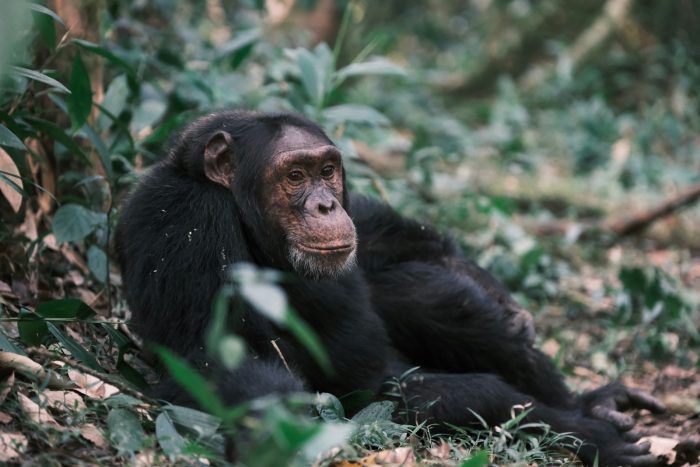
Kibale Forest National Park is primarily recognized for its dense tropical rainforest and for being home to one of the highest concentrations of primates in the world. This renowned safari destination is often referred to as the “primate capital of the world” because of the wide variety of primate species that live there. With 13 distinct primate species, including the captivating chimpanzee population, the park serves as a major tourist attraction for those seeking a unique Ugandan safari experience.
The park is particularly famous for chimpanzee tracking, where visitors can join guided tours to see chimpanzees in their natural habitat. There’s even an option to spend time with researchers to learn more about these fascinating animals’ behavior during a chimpanzee trekking adventure.
Beyond primates, the park is known for its incredible biodiversity. It boasts over 350 bird species, giving it appeal to birdwatchers. The area also features beautiful tropical forest landscapes, clear rivers, and wetlands that showcase Uganda’s natural beauty.
Efforts in conservation and eco-tourism are another important feature of Kibale Forest National Park, as it supports local communities and protects the region’s wildlife, ensuring a lovely Uganda trip for all visitors.
What types of wildlife can be found in Kibale Forest National Park?
Kibale Forest National Park is a premier safari destination, renowned for its vast array of wildlife, including mammals, birds, reptiles, amphibians, and insects. The park is most famous for its 13 species of primates, which include beautiful primates like chimpanzees, red colobus monkeys, and L’Hoest’s monkeys. One of the rarer primates you might encounter during a chimpanzee tracking adventure is the nocturnal bushbaby or the potto.
Besides primates, the park also supports other mammals, although they are harder to see due to the dense vegetation. Elephants occasionally roam the forest, alongside forest buffaloes, leopards, and duikers (a small type of antelope). There are also several species of rodents and bats.
Birdlife in Kibale is equally impressive, with over 350 species recorded, making it a hotspot for birding safaris. You might spot rare birds such as the African grey parrot, the great blue turaco, or the green-breasted pitta, enhancing your days Uganda safari experience.
Smaller creatures like butterflies, insects, and frogs add to the park’s rich biodiversity. Its rivers and lakes also contain various aquatic species, including fish. Visiting Kibale Forest offers an excellent opportunity for a wildlife encounter, showcasing a wide range of species living within a lush jungle ecosystem.
What is the best time of year to visit Kibale Forest National Park?
The best time to embark on an Ugandan safari to Kibale Forest National Park is during the two dry seasons, which typically occur from December to February and June to September. These months are considered optimal because the forest trails are less muddy and more accessible, making trekking and walking safaris much easier. Furthermore, wildlife visibility often improves during these dry periods as animals are more likely to gather around water sources, enhancing your wildlife viewing experience.
During the wet seasons, from March to May and October to November, the park experiences heavier rainfall, which can make trekking through the forest more challenging. While rain can cause slippery trails, the forest becomes lush, and the chances of spotting several primates, including beautiful primates like the red colobus monkey, may even increase. However, the wet season might not be the best choice for those wanting a more comfortable experience or those unfamiliar with trekking in damp conditions.
For chimpanzee tracking, the dry season is generally more favorable because getting through the dense forest to locate the chimps is far less complicated without heavy rains. That said, permits and accommodations should be booked well in advance, especially during the peak dry seasons, as Kibale Forest is a popular safari destination.
What activities can tourists engage in while on a safari in Kibale Forest National Park?
Kibale Forest National Park is a premier safari destination that offers a variety of activities to tourists, with chimpanzee trekking being the most popular. Visitors can embark on guided treks into the forest to observe chimpanzees in their natural habitat. These chimpanzee tracking adventures allow tourists to learn about the behavior and social structure of these fascinating primates.
Birdwatching is another highly popular activity, as the park is home to over 375 bird species. Bird enthusiasts can look for species such as the great blue turaco, African grey parrot, and green-breasted pitta. Guided bird walks, especially in areas like the Bigodi Wetland Sanctuary, are available for this purpose.
Nature hikes and forest walks are perfect for those who wish to explore the biodiversity of the forest. These guided walks often highlight smaller mammals, trees, and unique plant species found within the park, making it an ideal spot for wildlife viewing.
For those interested in local culture, community visits in the surrounding villages provide an opportunity to interact with residents, learn about their traditions, and even see local crafts being made. Children-friendly activities are also possible in areas where shorter and lighter treks are organized.
Night walks in the park are an option for those eager to see nocturnal creatures, such as bush babies and potto primates. These guided experiences offer a unique perspective of the forest after sunset, enhancing the overall Ugandan safari experience.
What is chimpanzee trekking, and how does it work in Kibale Forest National Park?
Chimpanzee trekking is an exhilarating activity where visitors join small guided groups to locate and observe wild chimpanzees in Kibale Forest National Park. This renowned safari destination is home to around 1,500 chimpanzees, making it one of the best places in Uganda to experience a chimpanzee tracking tour.
The process often begins with a pre-trek briefing led by park guides, who explain safety protocols, general forest behavior, and the patterns of the chimpanzees. Afterward, trekkers embark on a chimpanzee trekking adventure into the forest in search of the chimps. This search may involve hiking through dense vegetation for up to three hours, depending on where the chimpanzees are located on that particular day.
As chimpanzees are highly mobile, the trek requires physical effort, but guides use their expertise to track signs like fresh droppings, vocalizations, and broken branches that indicate nearby groups. Once a chimp group is located, visitors are allowed a maximum of one hour to observe them while maintaining a safe and respectful distance of about 7–10 meters. This time allows tourists to see how the chimps interact, feed, and move through their environment.
Chimpanzee trekking permits are required and should be purchased in advance. Keeping quiet, avoiding flash photography, and wearing comfortable clothing are essential for a safe and successful trek.
Are there other primates to see besides chimpanzees in Kibale Forest National Park?
Yes, there are several other primates in Kibale Forest National Park apart from chimpanzees. In fact, Kibale is sometimes called the “Primate Capital of the World” because it is home to a wide variety of monkeys and other primate species. The park is known to have 13 species of primates, the highest variety in Uganda. Here are some examples:
- Colobus Monkeys: You might encounter the Black-and-White Colobus monkey. Recognizable by their striking black and white fur, they are often seen leaping from tree to tree and are herbivores that eat mainly leaves.
- Red Colobus Monkeys: These are rarer to spot but they differ from the black-and-white colobus by their reddish-brown color. They are more endangered than their black-and-white cousins due to habitat loss.
- L’Hoest’s Monkeys: These are smaller monkeys with dark fur, a white ruff around their necks, and long tails. They are shy and often found on the ground, which makes them harder to observe.
- Blue Monkeys: Despite their name, these monkeys are not fully blue but have a bluish-grey tint with a white throat patch. They thrive in the forest canopy, making them easier to spot if you look up.
- Red-tailed Monkeys: These are a smaller species with reddish fur along the tail and a white nose patch. They are playful and often blend into groups with other monkeys.
- Olive Baboons: Unlike the others mentioned, baboons spend more time on the ground. They are larger and live in troops, so you could see groups foraging together.
This variety of primates contributes to the park’s rich biodiversity, making it a must-visit spot for wildlife and nature enthusiasts.
What accommodations are available for visitors in or near Kibale Forest National Park?
Visitors to Kibale Forest National Park will find a range of accommodations to suit different tastes and budgets. These options are located either inside the park or in nearby areas, mostly within a short drive. Here is a breakdown:
- Luxury Lodges: For those seeking comfort and high-end services, options like Primate Lodge Kibale or Ndali Lodge provide spacious rooms or cottages with great amenities. These lodges often offer local cuisine, hikes, or guided tours for guests. Primate Lodge, for example, is located close to the starting point of chimpanzee trekking, making it very convenient.
- Mid-Range Options: Accommodations like Kibale Forest Camp or Isunga Lodge fall under this category. They provide good value with comfortable stays, decent food, and amenities like hot water without being overly expensive. They are typically eco-friendly and offer a good balance between affordability and comfort.
- Budget Options: For travelers looking to save money, there are basic campsites and guesthouses such as Chimpanzee Forest Guest House. Here you may not get luxury amenities, but you will still enjoy clean accommodations in close proximity to the park.
- Homestays and Community Lodges: Some villages around the park, like Bigodi, offer community-run lodges and homestays. These not only save money but also give visitors a glimpse into local life while supporting the community through tourism revenue.
It’s often recommended to book accommodations in advance, especially during peak seasons, as the park is a popular destination.
How can one access Kibale Forest National Park when traveling from abroad?
To get to Kibale Forest National Park from abroad, the first step is to reach Uganda, usually by flying into Entebbe International Airport, which is near its capital city, Kampala. This is the country’s primary international airport, and flights are available from various major cities worldwide.
From Entebbe or Kampala, Kibale Forest National Park is located approximately 300 kilometers west. Here are the main ways to get there:
- By Road: Most visitors choose to travel by road. The drive takes around 5-6 hours from Kampala. You can either rent a private vehicle through tour operators or use public transport, although the public options are less frequent and less convenient. The drive offers scenery, including small towns and rolling hills.
- By Air: For quicker access, travelers can take a domestic flight from Entebbe or Kajjansi airstrip (near Kampala) to Kasese or an airstrip near Fort Portal. From there, it’s about 1-2 hour drive to Kibale National Park. These flights are operated by local airlines like Aerolink Uganda.
- Tour Packages: Many visitors arrange for guided tours through local agencies. These typically include transportation, accommodation, and activities in the park. Tour operators are experienced and handle everything, which is helpful for first-time visitors.
The roads to the park are generally in decent condition though certain stretches may be bumpy. Hiring a 4×4 vehicle, especially in the rainy season, ensures smoother travel. It’s also a good idea to carry snacks and water for the journey.
Are there specific rules or guidelines for safaris in Kibale Forest National Park?
When visiting Kibale Forest National Park, following the park’s rules is crucial to ensure safety, protect wildlife, and preserve the environment. One key guideline is to stay on designated trails or paths at all times. These trails are meant to keep visitors safe and minimize disturbances to the park’s wildlife and vegetation, making it an ideal safari destination for nature lovers.
Visitors are required to maintain a respectful distance from animals, especially chimpanzees, gorillas, and other primates. This reduces the likelihood of stressing the animals or exposing them to human diseases. For chimpanzee trekking, for example, guidelines often recommend maintaining a distance of at least 8 meters (26 feet) to ensure a successful chimpanzee tracking experience.
Noise levels should be kept to a minimum to avoid scaring or disturbing the wildlife. For the same reason, visitors are prohibited from feeding the animals, as this can harm their health and cause them to become dependent on human food.
Littering is strictly prohibited. Ensuring all garbage is disposed of properly and leaving nothing behind contributes to keeping the park clean and eco-friendly. Additionally, guided tours are mandatory for certain activities, like chimpanzee trekking, as experienced guides can ensure safety and navigate the forest while explaining wildlife behavior.
Visitors are advised to avoid wearing bright-colored clothing. Instead, neutral or earth-tone clothing is recommended, as it blends in better with the natural surroundings. Flash photography is also generally not allowed, as it can disturb animals.
With these rules, the park ensures both the safety of visitors and the well-being of the animals and their habitats, making it a memorable part of any Uganda safari itinerary.
How long should one plan to stay at Kibale Forest National Park for a full experience?
To fully enjoy the offerings of Kibale Forest National Park, a stay of around 2 to 3 days is often recommended. This timeframe gives visitors enough opportunities to explore a variety of activities without feeling rushed.
A significant highlight is chimpanzee trekking, which usually takes half a day. Booking an early morning trek is particularly popular because primates are most active during this time. Visitors who are interested in a more in-depth experience can also opt for the chimpanzee habituation experience, which lasts an entire day and involves spending longer periods observing and learning about the behavior of these primates.
In addition to chimpanzee-related activities, visitors can use another day to enjoy bird watching, as Kibale is home to over 370 bird species. Guided nature walks through the forest are also excellent for spotting other primates and smaller animals, even during a half-day hike.
If visitors want to explore the surrounding area, such as Bigodi Wetland Sanctuary, they should factor that into their stay. The wetland offers unique opportunities to observe monkeys, birds, and swamp-specific plant life.
Overall, while two days allow for a solid experience, adding a third day provides the chance to relax and not miss some of the lesser-known but equally fascinating activities.
What are some tips for ensuring a safe and enjoyable visit to Kibale Forest National Park?
To make the most of a visit to Kibale Forest National Park, planning ahead and following a few key tips can help visitors enjoy themselves while staying safe. Proper preparation starts with booking activities, such as a chimpanzee tracking tour, well in advance. Spaces for these experiences are often limited, so reserving a spot early ensures participation in this incredible ugandan safari experience.
Comfortable clothing and footwear are essential for a successful safari tour. Because the forest floor can be muddy and uneven, sturdy hiking boots are ideal. Long-sleeved shirts, trousers, and insect repellent help protect against mosquitoes and other bugs. A lightweight rain jacket is also helpful, as the area experiences frequent rainfall.
Carrying sufficient water and snacks will keep visitors hydrated and energized during physical activities like long treks. While most tours are guided, it’s always good to have a small, personal bag with essentials like sunscreen, a hat, and a camera (only using non-flash photography).
Listening to instructions from guides is crucial for safety, particularly during interactions with wildlife. Guides often provide tips on how to act if an animal approaches, such as staying calm, not running, and avoiding sudden movements.
Lastly, respecting the local communities around the park by engaging with them politely and adhering to cultural norms can further enrich the trip. Purchasing handmade crafts or supporting local initiatives also benefits the community directly.
By staying mindful and prepared, visitors can fully enjoy the natural beauty and unique wildlife of Kibale Forest National Park, making it one of the top safari destinations in western Uganda.
How To Book Your Uganda Safari
We’ve covered the basics of Kibale Forest National Park Safaris, what they are, why they’re magical, and how they immerse you in a world of lush jungles, beautiful primates, and unforgettable adventures. If you’re ready for a chimpanzee tracking tour, the next step is simple! Reach out to the Best Uganda Safari Companies to plan your dream journey. They’ll take care of every detail, so all you have to do is enjoy the wonders of Kibale Forest. Start your uganda safari experience today, click here to book now!