A Uganda safari with Wildebeest Migration in Serengeti combines unique wildlife opportunities across two East African countries. In Uganda, visit Bwindi Impenetrable Forest for gorilla trekking or explore Queen Elizabeth National Park for tree-climbing lions and boat safaris. In Tanzania, witness the Wildebeest Migration in the Serengeti National Park, a spectacle featuring millions of animals. This combination trip offers diverse ecosystems, including savannahs, forests, and rivers, ideal for wildlife viewing. Many tours include key attractions like Lake Victoria, the Ngorongoro Crater, or chimpanzee trekking in Kibale National Park, making this an unforgettable safari experience. Pairing Uganda with Tanzania safaris provides both primate and big game encounters.
https://www.youtube.com/watch?v=zEp5H12vGm4&t=3s
What is the Wildebeest Migration, and when does it occur in the Serengeti?
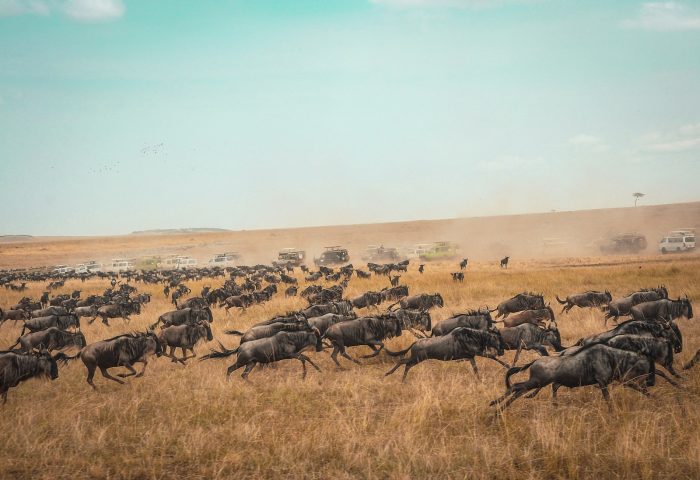
The Wildebeest Migration is a massive movement of over 1.5 million wildebeest, along with hundreds of thousands of zebras and gazelles, that happens every year across the Serengeti ecosystem in Tanzania and the Maasai Mara in Kenya. This natural event is primarily driven by the animals’ search for fresh grass and water as seasons change.
The migration has a general continuous cycle, but major events can be grouped into specific periods. From January to March, the wildebeest gather in the southern Serengeti, where calving occurs, about half a million calves are born during this time. By April and May, the herds begin heading north and west as the rains end, moving toward areas with more abundant vegetation. Between July and October, the most dramatic part occurs: crossing the Mara River. The river is full of dangers like crocodiles, making it a riveting sight. Finally, from November to December, the herds return to the southern Serengeti, completing the loop.
This migration isn’t strictly confined to exact months as it depends on rainfall patterns, but these rough timelines offer a helpful guide for timing a visit.
What are the main attractions and highlights of a Uganda safari?
Uganda offers a variety of unique experiences for travelers, especially those interested in wildlife and nature. Its most well-known highlight is gorilla trekking in the Bwindi Impenetrable Forest, home to almost half of the world’s mountain gorilla population. Visitors get a rare opportunity to observe these incredible animals in their natural environment under strict conservation rules.
Another key attraction is chimpanzee tracking in forests like Kibale National Park, where visitors can see chimpanzees along with other primates. Uganda is often called the “Pearl of Africa” because of its diverse landscapes that include savannas, forests, and even snowcapped mountains in the Rwenzori range.
Queen Elizabeth National Park is famous for its tree-climbing lions and large population of hippos along the Kazinga Channel. Murchison Falls National Park showcases the spectacular waterfall where the Nile River bursts through a narrow gorge, creating a powerful display.
Birdwatchers will find Uganda a paradise with over 1,000 bird species, including rare ones like the shoebill. Lake Victoria and the surrounding areas also offer cultural visits to local villages and fishing communities, adding more variety to Uganda’s safaris.
How can someone combine a Uganda safari with the Serengeti Wildebeest Migration in their itinerary?
A combined Uganda safari and Serengeti Wildebeest Migration trip involves planning to experience both destinations efficiently. Travelers can start in Uganda, exploring the highlights like gorilla trekking in Bwindi and exploring popular parks such as Queen Elizabeth or Murchison Falls National Park. Afterward, they can fly to Tanzania to witness the migration in the Serengeti.
To combine the two, the first step is to consider the seasons. For instance, gorilla trekking is possible year-round in Uganda, though drier months like June to September are preferred. Similarly, the ideal time to see the migration varies depending on which part of the event you want to see (e.g., calving season in early months or river crossings in mid-year).
Connecting between Uganda and Tanzania usually involves flights. Some travelers fly from Entebbe (near Uganda’s capital, Kampala) to Kilimanjaro International Airport in Tanzania, which is a gateway to Serengeti. A domestic flight or overland route can take you onward to the Serengeti.
Working with a tour operator helps streamline the logistics, including obtaining permits for activities like gorilla trekking and ensuring smooth transfers between countries. Combining the two destinations allows travelers to enjoy an incredible mix of wildlife experiences, from the dense forests of Uganda to the open plains of the Serengeti.
What are the best times of the year to experience both a Uganda safari and the Serengeti migration?
The ideal times to experience both a Uganda safari and the Serengeti migration depend on the wildlife events and seasons in the respective regions.
In Uganda, the best time for safaris is during its two dry seasons: December to February and June to September. These months are ideal because the absence of heavy rain makes roads passable and wildlife easier to spot. Animals often gather around waterholes and rivers during these drier periods, increasing your chances of sightings. Gorilla trekking, one of Uganda’s highlights, is also more comfortable during the dry seasons, as the trails through the dense forests can be slippery and muddy in rainier months.
In the Serengeti, the migration of wildebeest varies throughout the year but peaks in specific months depending on their location. From December to March, the herds are in the southern Serengeti for calving, where thousands of newborn animals can be observed. From July to September, one of the most famous aspects of the migration occurs – the river crossings, especially at the Mara River. These dramatic crossings are often regarded as the highlight of the migration.
If you’re planning to see both Uganda and the Serengeti migration in one trip, June to September can be an excellent period. This aligns with Uganda’s dry season and coincides with the river crossings of the Serengeti migration. However, December to February gives another good option, combining Uganda’s dry season with the calving in the southern Serengeti.
By choosing the right travel window, visitors can experience the best wildlife spectacles both locations have to offer.
What wildlife can be expected to see during a Uganda safari and the Serengeti migration?
A Uganda safari and the Serengeti migration offer vastly different but equally exciting wildlife experiences.
In Uganda, one of the primary highlights is gorilla trekking in Bwindi Impenetrable National Park or Mgahinga Gorilla National Park. Uganda is home to half of the world’s remaining mountain gorillas, and seeing these majestic primates in their natural habitat is a rare privilege. Apart from gorillas, chimpanzee tracking in Kibale Forest and other reserves offers opportunities to observe primates up close. Uganda also boasts African wildlife typically seen on savannas, such as lions, elephants, buffaloes, leopards, giraffes, and hippos, especially in Queen Elizabeth National Park and Murchison Falls National Park. Bird enthusiasts can delight in Uganda’s incredible avian diversity, which includes over 1,000 species like the shoebill stork.
In the Serengeti, the wildlife is dominated by the Great Migration – a massive movement of two million wildebeest and hundreds of thousands of zebras, gazelles, and other animals. Depending on the time of year, visitors can see calving, herds on the move, or dramatic river crossings. Predators like lions, cheetahs, leopards, and hyenas closely follow the migrating animals, creating incredible scenes of survival in the wild. Apart from the migratory animals, the Serengeti also hosts a variety of resident wildlife, including elephants, giraffes, rhinos, and an abundance of birdlife.
Together, a combined Uganda and Serengeti trip offers the chance to witness primates in lush forests and immense herds on open savannahs, providing a broad spectrum of African wildlife that few other destinations can match.
Are gorilla trekking and chimpanzee tracking available in Uganda, and how do they enhance the safari experience?
Yes, both gorilla trekking and chimpanzee tracking are available in Uganda. These activities are some of the most sought-after wildlife encounters in the country and offer a unique dimension to a traditional safari experience.
Gorilla trekking is typically done in Bwindi Impenetrable National Park and Mgahinga Gorilla National Park, where visitors can hike through dense forests to spend an hour observing mountain gorillas. These primates share about 98% of their DNA with humans, and their behaviors, interactions, and sheer presence make for an unforgettable experience. Spending time with a gorilla family in its natural habitat is often described as deeply moving and allows you to better appreciate the species’ need for conservation. Trekking is led by experienced guides, and permits must be secured in advance, as permits are limited and provide critical funding for gorilla protection.
Chimpanzee tracking is another incredible opportunity that Uganda offers, particularly in Kibale Forest National Park, which is considered one of the best locations for seeing chimpanzees in the wild. This activity involves smaller groups than a typical safari and allows visitors to observe the playful, intelligent, and social behavior of these primates. Other places offering chimpanzee tracking opportunities include Budongo Forest and Queen Elizabeth National Park.
These experiences enhance a safari by adding a personal, intimate dimension. Unlike observing wildlife from a vehicle, trekking places you directly in the animals’ environment. It also highlights Uganda’s diverse landscapes, ranging from tropical rainforests to open savannahs. Whether you participate in gorilla or chimpanzee trekking (or both), it offers a more immersive and active way to engage with nature and wildlife unlike any other safari activity.
What national parks or reserves in Uganda and Tanzania should be included in the trip?
When planning a trip to Uganda and Tanzania, including the top national parks and reserves ensures the best wildlife and nature experiences.
In Uganda, one park to visit is Bwindi Impenetrable National Park. It’s internationally recognized as one of the best places to see endangered mountain gorillas. Guided treks here take you into dense forests, where you can watch gorilla families up close in their natural habitat. A permit is required for these visits, and it’s a unique opportunity.
Another significant park in Uganda is Queen Elizabeth National Park. This park is known for its wide variety of wildlife, including elephants, buffaloes, lions, and numerous bird species. It also features the famous tree-climbing lions found in the Ishasha sector. The Kazinga Channel in the park is a great spot for boat safaris, offering chances to see hippos, crocodiles, and water birds.
In Tanzania, Serengeti National Park is a must. It’s famous for the Great Migration, where millions of wildebeest, zebras, and gazelles move through the park. You’ll also find predators like lions, cheetahs, and leopards hunting in the open plains.
The Ngorongoro Conservation Area, which includes the Ngorongoro Crater, is another highlight in Tanzania. The crater is a volcanic caldera filled with diverse wildlife. It provides a unique opportunity to see many species in one area, including elephants, rhinos, and flamingos.
By including these parks, travelers get a combination of primate tracking, classic big-game viewing, and breathtaking scenery.
How long should a safari trip be to adequately experience both Uganda and the Serengeti?
To fully enjoy and explore both Uganda and the Serengeti, a safari trip should last at least two weeks (14 days). This length allows enough time to see the highlights of both destinations without feeling rushed.
In Uganda, you’ll need around 6-7 days. This time can cover activities like gorilla trekking in Bwindi Impenetrable National Park and exploring other parks like Queen Elizabeth National Park or Murchison Falls National Park. Gorilla trekking alone often takes one or two days, factoring in the time to reach the park, the trek itself, and recovery from the hike. If interested in chimpanzee tracking or cultural experiences, you may need an extra day or two.
For Tanzania, plan to spend another 6-7 days. This period can include time in Serengeti National Park to witness the migration and enjoy game drives. Spending two or three days in the Serengeti allows for meaningful wildlife sightings. You can also allocate a day or two for the Ngorongoro Crater and nearby areas like Lake Manyara or Tarangire National Park.
Adding travel time between the two countries, usually involving flights, takes another day or so. If longer vacations are possible, adding extra days for relaxation or visiting other attractions such as the Gorilla Highlands in Uganda or Zanzibar in Tanzania is worthwhile.
A two-week itinerary creates a balance between adventure, travel convenience, and sufficient wildlife viewing.
What are the accommodation options available when visiting Uganda and the Serengeti?
Both Uganda and the Serengeti offer a range of accommodation options to fit different budgets and preferences, from basic camping-style options to luxurious lodges.
In Uganda, near Bwindi Impenetrable National Park, lodges like Buhoma Lodge or Mahogany Springs Lodge provide comfortable stays with easy access to gorilla trekking starting points. There are also midrange options like Rushaga Gorilla Camp and budget-friendly guesthouses or safari tents. Camping is another choice for those looking to cut costs or seek adventure.
In Queen Elizabeth National Park, options range from luxury lodges such as Mweya Safari Lodge and Elephant Plains Lodge to budget-friendly accommodations like The Bush Lodge. These lodges often offer safari packages that include game drives and guided activities.
In Tanzania’s Serengeti, lodges and tented camps are prevalent. Luxury travelers can opt for accommodations like Four Seasons Safari Lodge or Sayari Tented Camp. These high-end options combine comfort with stunning views of the plains. Midrange lodges such as Serengeti Serena Safari Lodge provide clean, comfortable stays without the luxury price tag. Budget travelers can explore mobile camping options in designated areas of the park, offering a close-to-nature experience.
Around the Ngorongoro Crater, lodges like Ngorongoro Crater Lodge provide premium stays with panoramic views, while options such as Rhino Lodge provide more affordable alternatives.
Many accommodations cater to specific preferences, such as family-friendly lodges, eco-friendly properties, or romantic getaways for couples. Most lodges also include meals and activities to streamline the visitor experience. This variety ensures that everyone can find something to suit their style and budget.
What is the transportation like between Uganda and Tanzania, and how can one reach the Serengeti efficiently?
Traveling between Uganda and Tanzania requires planning, as the two countries are separated by about 600–1,000 miles, depending on the route taken. Air travel is the fastest and most practical option for getting from Uganda to the Serengeti. Direct flights are available between Entebbe International Airport in Uganda and Kilimanjaro International Airport in Tanzania. From Kilimanjaro, visitors can catch light domestic flights to airstrips closer to the Serengeti, such as Seronera or Kogatende.
For those avoiding flights, although less common, overland travel is another possibility. It involves crossing through Kenya, which shares borders with both Uganda and Tanzania. Visitors would take a bus or arrange for private transportation from Uganda to Kenya’s capital, Nairobi, and then continue by road to northern Tanzania. However, this method is lengthy and requires careful coordination, including multiple border crossings.
Reaching the Serengeti itself, once in Tanzania, usually involves a combination of flight and drive. Local charter flights from Kilimanjaro can significantly cut down time, deposits visitors near their chosen lodges or camps, and offer magnificent views of the vast Serengeti. Alternatively, driving from Arusha, the city often used as a gateway to the Serengeti, can take 6–8 hours, depending on which region of the park is the final destination.
Efficient travel between Uganda and Tanzania often depends on the traveler’s budget and time constraints. For a seamless trip, working with safari planners or travel agents who handle these logistics can be invaluable as they ensure connections align, especially when dealing with small regional airstrips.
Are there any specific travel requirements, such as visas or vaccinations, for Uganda and Tanzania?
Yes, there are specific travel requirements for Uganda and Tanzania, including both visas and health-related measures. For entry into both countries, most travelers need a visa. Depending on nationality, citizens from certain countries may qualify for visa exemptions, but most people obtain tourist visas. Uganda offers the East Africa Tourist Visa, which allows access to Uganda, Kenya, and Rwanda with one document, lasting up to 90 days. This can be a convenient option for combining multiple destinations. Similarly, Tanzania has single-entry tourist visas that can be applied for online or upon arrival at airports and borders, though pre-application is recommended for ease.
Regarding vaccinations, proof of a yellow fever vaccination is mandatory for entry into both Uganda and Tanzania, especially since both nations are regions where yellow fever is present. Upon arrival, travelers may be asked for their World Health Organization (WHO) vaccination booklet. Beyond yellow fever, it is advised to be up to date with routine vaccinations, including tetanus, hepatitis A and B, and typhoid. Malaria is a concern in both countries, so preventive measures, including medication, mosquito repellents, and sleeping under treated nets, are important.
COVID-19 requirements have shifted over time, so monitoring the latest policies before travel is advisable. Testing or vaccination proof could be required, depending on global health circumstances.
Additionally, visitors must ensure their passports are valid for at least six months beyond their intended travel dates and have several blank pages for stamps. Consulting with a doctor or travel clinic well before departure ensures all medical preparations are in order.
What are the costs involved in planning and executing a combined Uganda safari and Serengeti experience?
The cost of a safari combining Uganda and the Serengeti varies widely depending on factors like the season of travel, accommodations, group size, and the length of the trip. On average, such a trip may range from $5,000 to $15,000 per person for 7–14 days.
Key expenses include international flights to Uganda (e.g., Entebbe Airport) and returning from Tanzania or vice-versa. Round-trip international tickets often cost between $900 and $1,500, depending on the starting location. Regional flights within East Africa, such as those between Entebbe and Tanzania’s Kilimanjaro or Arusha airports, typically range from $200 to $500.
Accommodations are another major cost area. Lodging options vary greatly, from budget campsites priced at $100–$150 per night to luxurious lodges that can exceed $1,000 per night. Uganda’s gorilla trekking permits are a significant fixed expense at $700 per person, while park fees for the Serengeti range from $60–$70 per day.
Transportation and logistics in-country also add up. Guided tours or 4×4 vehicle rentals with professional drivers can cost around $200 to $300 per day. Optional bush flights to airstrips closer to the Serengeti can add $300–$500 but reduce travel time significantly.
Meals, tips for guides or staff, souvenirs, drinking water, and optional activities (like hot air balloon rides in the Serengeti or chimpanzee trekking in Uganda) should also be budgeted for. Visitors should also account for visas ($50 each per country, or $100 for the East Africa Tourist Visa) and any vaccinations or malaria prophylaxis.
Travel insurance, advisable for a trip of this caliber, may cost an additional $150–$300. Ultimately, whether budget-friendly or high-end, carefully planning ensures all costs are accounted for upfront.
How To Book Your Tanzania Safari
Heading out on a Uganda safari combined with the incredible Wildebeest Migration in the Serengeti might feel overwhelming, but we’ve covered the essentials: what it is, why it’s so magical, and how you can experience it for yourself. Ready to turn your safari dreams into reality? It’s simple! Just reach out to one of the Best Safari Companies in Tanzania for a seamless, unforgettable journey. Click here for trusted options: Serengeti Safari Tanzania. Adventure awaits in the heart of Africa, let’s make it happen!