The Best Uganda safaris for American Citizens include exploring Bwindi Impenetrable National Park for gorilla trekking, visiting Queen Elizabeth National Park for wildlife safaris featuring lions and elephants, and taking a trip to Murchison Falls National Park for breathtaking scenery and river cruises. For a combined experience, many tour packages also include Tanzania safaris, providing access to the Serengeti and the Ngorongoro Crater. These safaris are ideal for encountering diverse wildlife, stunning landscapes, and engaging in cultural tours with local communities.
What are the most popular safari destinations in Uganda for American tourists?
Uganda offers many incredible safari destinations that draw American tourists each year. One of the most popular is Bwindi Impenetrable National Park, renowned for being home to nearly half the world’s population of endangered mountain gorillas. Here, visitors participate in gorilla trekking adventures, where small guided groups venture through the thick forest to observe these magnificent primates in their natural habitat.
Another sought-after destination is Queen Elizabeth National Park. Known for its wide array of wildlife, this park is famous for its tree-climbing lions found in the Ishasha sector. Visitors can also enjoy classic game drives, boat safaris along the Kazinga Channel, and birdwatching, as the park is home to over 600 bird species, making it a fantastic wildlife destination.
Kibale National Park is a favorite for primate lovers, offering opportunities to see chimpanzees. Uganda is one of the few countries where you can trek to see both gorillas and chimpanzees in the wild. These primate treks enable tourists to learn about primate behavior up close, enhancing their overall safari experience.
Murchison Falls National Park is another must-visit for those seeking breathtaking scenery alongside wildlife. The park boasts the iconic Murchison Falls, where the Nile River squeezes through a narrow gorge, creating powerful cascades. Safaris here include game drives, boat trips, and opportunities to spot giraffes, elephants, and potentially leopards.
Kidepo Valley National Park, located in the remote northeast, is celebrated for its unspoiled wilderness and fewer tourist crowds. It’s a great spot to see large herds of buffalo, cheetahs, and unique birds, making it ideal for an offbeat wildlife tour.
These parks and experiences have made Uganda a top choice for wildlife enthusiasts traveling from America, ensuring a memorable safari vacation filled with adventure and discovery.
What wildlife and natural attractions can one expect to see on a Uganda safari?
A Uganda safari offers an abundance of wildlife and natural spectacles, making it a premier wildlife destination. One highlight is the population of mountain gorillas in Bwindi Impenetrable National Park. Visitors often embark on a gorilla trek into the dense forest to observe these gentle giants in their natural habitat, an intimate experience unmatched elsewhere.
Chimpanzees are another key attraction, particularly in Kibale National Park and Budongo Forest. These highly intelligent primates often showcase fascinating social behaviors, which travelers can observe during primate trekking excursions. This unique wildlife safari experience is a must for any nature lover.
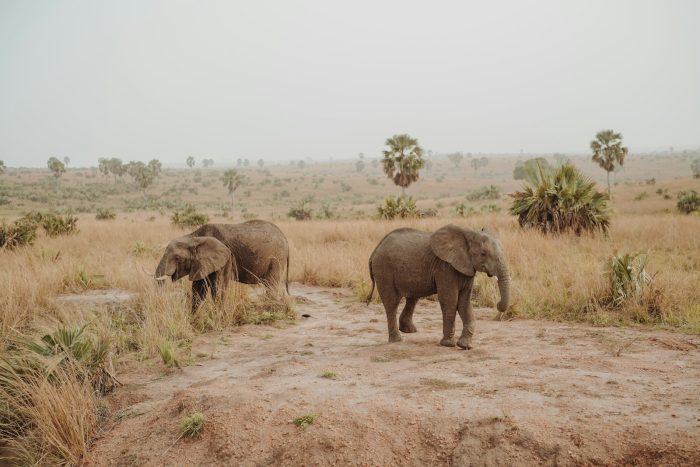
Beyond primates, Uganda’s savannas teem with mammals. Uganda is home to the “Big Five,” which includes lions, elephants, buffalo, leopards, and rhinos. Lions are particularly notable in Queen Elizabeth National Park, where some are known to climb trees, a rare trait.
Travelers will also see zebras, giraffes, antelopes, and massive hippos in places like Murchison Falls National Park and Lake Mburo National Park. Rhinos can be seen exclusively at the Ziwa Rhino Sanctuary.
Birdwatching is especially impressive in Uganda, which boasts over 1,000 bird species. Iconic birds like the shoebill stork, African fish eagle, and great blue turaco entice bird enthusiasts globally.
In terms of natural attractions, the country has several stunning landscapes to admire. Examples include Murchison Falls with its thundering waters on the Nile, Lake Victoria (the largest lake in Africa), and the Rwenzori Mountains with their snow-capped peaks. Places like Mgahinga Gorilla National Park offer dramatic volcanic scenery.
Altogether, these wildlife encounters and natural wonders make Uganda an ideal destination for safari tours, ensuring unforgettable adventures for all who visit.
What is the best time of year to go on a safari in Uganda?
The best time to embark on an African adventure in Uganda is during the dry seasons, which occur twice a year. The first dry season runs from December to February, and the second takes place from June to September. These months are ideal because the weather is more reliable, with less rain making travel and trekking far easier. During this time, travelers can enjoy fantastic wildlife experiences while exploring the country’s premier wildlife destinations.
During the dry seasons, the vegetation becomes thinner, which enhances visibility for wildlife viewing. Additionally, animals tend to gather around water sources, making it easier to spot them in groups. For instance, visitors on safari tours in Queen Elizabeth National Park or Murchison Falls National Park during these times will likely encounter herds of grazing animals and predators nearby.
For those interested in gorilla trekking adventures, the dry seasons are also recommended. Trails in rainforests like Bwindi Impenetrable National Park and Kibale National Park stay less slippery and muddy, making hiking to locate the endangered mountain gorilla more manageable. While mountain gorillas can be visited year-round, clear weather enhances the overall safari experience.
That said, the wet seasons (March to May and October to November) also come with their own advantages. These months typically see fewer tourists, so parks are less crowded. Lodging and tour operators may offer discounts during these periods. Wildlife remains visible, although some roads and trails might become harder to navigate due to the rain.
In conclusion, the optimal time for a safari vacation in Uganda would align with the dry seasons for those prioritizing comfort and greater ease of travel. However, travelers flexible with weather might appreciate the quieter experience during off-peak months.
Are there specific safaris that cater to American travelers’ preferences?
Yes, many safari operators in Uganda cater specifically to American travelers’ preferences by offering experiences that focus on comfort, customizations, and tailored itineraries. Americans often look for safaris that include luxury accommodations, private guides, and a mix of adventure and relaxation. For instance, companies offer upscale lodges with familiar amenities like Wi-Fi, diverse dining options, and spacious accommodations. These lodges are often located near major tourist spots, such as Queen Elizabeth National Park or Bwindi Impenetrable National Park.
American travelers often enjoy personalized tours. For example, an operator might design a trip to combine gorilla trekking with a visit to Murchison Falls and a cultural experience in a nearby village. Some travelers prefer group tours with other English-speaking participants. Safari companies often form small groups to allow for closer interactions with guides who provide detailed explanations about wildlife and the ecosystem.
Additionally, itineraries may include opportunities for activities such as boat safaris on the Kazinga Channel, night game drives, or bird-watching walks. Many Americans also favor combining Uganda safaris with visits to neighboring countries like Kenya or Tanzania for a wider East African experience.
Whether it’s a luxury-focused trip or something more adventurous, there’s a focus on meeting the specific needs and expectations of travelers from the United States.
What are the typical costs associated with a Uganda safari?
The cost of a Uganda safari can vary greatly depending on factors like the length of the trip, the type of accommodations, and the activities included. Generally, safaris range from budget options costing around $150–$300 per person, per day, to luxury experiences that can cost $700–$1,500 per person, per day.
For example, gorilla trekking permits in Bwindi Impenetrable National Park are a significant part of the cost. Each permit is $700 for foreign tourists as of now. If you’re planning on chimpanzee trekking, permits cost an additional $200–$250 in places like Kibale Forest National Park. These fees are necessary for conservation efforts and contribute to protecting primates.
Accommodations add another layer to budgeting. A budget lodge or tented camp might cost $50–$150 per night, while mid-range options are around $200–$400 per night. Luxury lodges, often featuring views of wildlife or gourmet dining, might cost over $500 per night.
Other expenses include transportation, which might involve hiring a 4×4 safari vehicle with a driver-guide at $100–$200 per day, depending on fuel and distance. International flights to Uganda can range from $800–$1,500 round trip, while internal domestic flights to remote parks may add several hundred dollars.
Additional costs include food, tips for guides (usually $10–$20 per day), and souvenirs. Budgeting for $3,000–$10,000 per person for a weeklong safari, depending on choices, offers a good starting point.
How safe is Uganda for American tourists, especially on safaris?
Uganda is generally safe for American tourists, especially on well-organized safari tours. The country welcomes international visitors and has a growing tourism industry that prioritizes security and safety. Most safari parks, lodges, and tourist areas are considered secure, with staff and guides ensuring visitor safety at all times during game drives, treks, and park visits.
When visiting urban areas like Kampala or Entebbe, basic precautions are recommended, such as avoiding displaying valuables and maintaining awareness of one’s surroundings. Hiring a trusted guide or driver is useful for navigating cities where rules of the road can seem chaotic.
In the national parks and on safaris, registered guides ensure tourists follow park rules, like maintaining a safe distance from animals and keeping to established routes. For instance, when going on a gorilla trek, guides are trained in procedures to protect tourists and the animals, and rangers often accompany groups to monitor safety.
One concern visitors may need to address beforehand is health. Vaccinations (e.g., yellow fever) and protection against malaria through medications or mosquito nets are necessary. Tap water is unsafe to drink, but bottled water is widely available.
Uganda has successfully handled security concerns in recent years, and issues are largely confined to remote regions near borders. The western Uganda areas, where most safari experiences occur, are not impacted.
By working with reputable tour companies like Ntaba African Safaris and following local advice, American tourists can expect a safe experience while enjoying the unique wildlife safaris that Uganda has to offer.
What visas or travel documents are required for American citizens visiting Uganda?
American citizens planning to visit Uganda need a valid passport and a visa. Your passport must remain valid for at least six months after your intended departure date from Uganda. It’s also essential to have at least one blank page in your passport for the visa stamp.
To obtain a visa, Americans can apply online through Uganda’s e-visa system. This requires visiting the official immigration website and filling out an application form. You will need to upload a passport-style photo, a copy of your passport’s bio-data page, and any other required documents. A standard tourist visa typically costs $50 and is valid for 90 days. Processing usually takes a few business days, so plan ahead to allow enough time.
Alternatively, a traveler might apply for the East Africa Tourist Visa, which allows entry to Uganda, Rwanda, and Kenya. This multi-country visa is beneficial for those planning a trip across these three neighboring countries and is valid for 90 days. Its cost is typically $100.
Upon arrival in Uganda, you may also be asked to show proof of return or onward travel and sufficient funds to cover your stay.
Lastly, keep a digital and printed copy of your visa approval and travel documents when traveling. It’s always a good idea to confirm specific visa requirements close to your travel dates because rules can occasionally change.
What are the best ways to travel within Uganda for a safari?
Getting around in Uganda for a safari often involves a mix of road and air travel.
By road, many visitors use 4×4 safari vehicles. These vehicles are typically hired as part of guided safari packages through tour companies. They are rugged and well-suited for navigating unpaved park roads and remote wildlife areas. Having a guide who knows the routes and can communicate in local languages can make the trip smoother. Some self-drive car rental options are available, but it’s important to note that roads, particularly in rural areas, might not always be well-maintained.
For longer distances, domestic flights operated by small airplanes are an alternative. These flights connect major cities or areas like Entebbe (where the international airport is located) to destinations near national parks, such as Bwindi or Murchison Falls. Flights reduce travel time significantly compared to road trips, which might take several hours or more.
Using public transport, such as buses or minibusses (locally called matatus), is common for residents but less practical for tourists. These modes of transport are generally not as reliable or comfortable for safari travel.
Private charter flights and higher-cost transfers are also available for those seeking convenience and time savings.
What should be packed for a safari in Uganda?
Packing the right items for a safari vacation in Uganda ensures you’re comfortable and well-prepared for your african adventure.
- Clothing: Lightweight, breathable clothes are ideal for Uganda’s warm weather. Neutral colors such as khaki, olive, or tan are best for blending into the environment during wildlife viewing. Long-sleeve shirts and pants help protect against mosquitoes and sun exposure. A waterproof jacket is a must, as Uganda experiences occasional rain.
- Footwear: Comfortable, sturdy walking shoes or hiking boots are crucial for exploring rugged terrain. Bring sandals or lighter shoes for relaxing in the evenings.
- Medical Essentials: Don’t forget insect repellent, sunscreen, and basic first-aid supplies. Prescribed anti-malarial medication is generally recommended; consult a doctor ahead of time.
- Gorilla Trekking Needs: For gorilla trekking, pack gloves for gripping vegetation, a hat, and sock covers to prevent bites from insects. A small daypack will help carry water, snacks, and camera equipment.
- Accessories: Binoculars for viewing animals from afar, a camera to capture wildlife, reusable water bottles, and a flashlight or headlamp for use at night are helpful. Electricity in rural lodges may be limited, so bring a power bank.
- Documents: Keep your passport, travel insurance, e-visa printout, and vaccination record (e.g., proof of yellow fever vaccination) in a safe, waterproof pouch.
- Other Items: Hand sanitizer, wet wipes, and lightweight snacks can come in handy during longer drives.
Are there specialized tours for gorilla trekking in Uganda?
Yes, there are specialized safari tours for gorilla trekking in Uganda, and these are very popular among tourists, particularly in Bwindi Impenetrable National Park and Mgahinga National Park. Gorilla trekking involves hiking through the dense rainforest to find and observe mountain gorillas in their natural habitat. These tours are organized by certified tour operators and local guides who are familiar with the gorillas and the environment.
Due to the endangered status of mountain gorillas and their need for protection, the tours are heavily regulated. Only a small number of permits are issued daily, and each group of tourists can only spend about one hour with the gorillas. These restrictions ensure that the gorillas are not overly disturbed by humans. Obtaining a permit is essential, and the cost is currently $700 per person for a single trek. Permits can sell out quickly, so booking well in advance is necessary.
Tours often include a guided forest hike, where trained rangers help locate the gorillas. The hike can be physically challenging, as it may involve climbing through steep, muddy terrain for several hours, but the reward of seeing the gorillas is considered worth it. Porters are usually available to assist with carrying bags or equipment for an additional fee.
Some tour companies create packages that combine gorilla trekking with other Ugandan experiences, such as game drives, chimpanzee trekking, and cultural visits. These can range from basic budget-friendly options to luxury tours that include high-end lodges, private vehicles, and gourmet meals. Regardless of the style of the trip, a gorilla trekking tour provides an unforgettable opportunity to experience Uganda while supporting conservation efforts.
What are the cultural considerations or etiquette for tourists on safari in Uganda?
When visiting Uganda, it’s important to respect local customs and cultural norms, as the country is home to a variety of ethnic groups with different traditions. First and foremost, politeness and greetings are highly valued. When meeting people, it’s customary to exchange verbal greetings and even handshakes, which can enhance your safari experience. Taking a moment to greet someone properly shows respect and builds rapport.
Modest clothing is appreciated, especially in rural areas. While on safari tours, casual and practical clothing is fine, but if visiting communities, avoid wearing overly revealing outfits. Women might consider wearing skirts or pants that cover the knees and ensuring their shoulders are covered. Men should avoid wearing shorts when outside of tourist areas, as it might seem informal.
Taking photos of people or their homes requires permission. Many locals may feel uncomfortable being photographed without being asked first. In some cases, you might need to offer a small fee for photos, especially during cultural performances or visits to traditional villages, which can enhance your experience Uganda.
When spending time in local communities or on cultural tours, avoid interrupting ceremonies or sacred practices. Showing genuine interest, listening attentively, and asking respectful questions are all appreciated by locals, especially during your gorilla trekking adventures.
Public displays of anger, loud complaints, or impatience are frowned upon, as Ugandans tend to value harmony and composure. If you encounter issues, expressing concerns calmly is a better approach.
Tipping is not mandatory, but it’s appreciated for good service, especially for drivers, guides, and lodge staff. Amounts can vary, but around $10 per day for a guide or driver is considered fair.
Finally, some areas of Uganda are conservative, so exercise further care by limiting discussions about sensitive topics regarding religion, politics, or societal issues unless initiated by locals. Display humility and curiosity while interacting, and you’ll be warmly welcomed.
What vaccinations or health precautions are necessary before traveling to Uganda?
Before embarking on your safari adventure to Uganda, ensuring you are up to date on several vaccines and taking certain health precautions can help protect you from illness. First, getting vaccinated against yellow fever is mandatory, as proof of vaccination (a yellow card) is required for entry into the country. This policy is in place to prevent the spread of yellow fever, which is present in parts of Africa, including areas near the tropical rainforest where wildlife thrives.
Recommended vaccines for Uganda include hepatitis A and B, typhoid, and rabies (especially if you’ll be spending a lot of time outdoors or around animals during your safari tours). A tetanus booster is also advisable if you haven’t received one in the past decade. Measles, mumps, and rubella (MMR) and routine vaccines like polio should be current as well.
Malaria is a risk in Uganda, so you’ll need to take antimalarial medication. There are different types, such as Malarone, doxycycline, or mefloquine, and your healthcare provider can help determine the best one for you. Using mosquito repellents with DEET, sleeping under treated nets, and wearing long pants and sleeves during dawn and dusk can further reduce mosquito bites.
The risk of traveler’s diarrhea exists, so proper food and water hygiene is critical. Stick with bottled or boiled water and avoid raw fruits and vegetables that have not been peeled or cooked. Hand sanitizer is a convenient way to practice hygiene throughout your journey, especially during your gorilla trekking adventures.
It’s also wise to check for updates on potential risks, like Ebola outbreaks, and follow any recommendations from health authorities. Finally, travel insurance that covers evacuation in case of medical emergencies is an important precaution, particularly given the remote nature of some safari destinations. A pre-travel consultation with a doctor or travel clinic can ensure peace of mind as you prepare for your trip to experience Uganda’s magnificent wildlife.
How to Book Your Tanzania Safari
We’ve covered the basics of finding the best Uganda safaris for American citizens, including what makes them amazing, how to plan your trip, and why partnering with expert safari companies is key to ensuring a memorable safari experience. Ready to turn your dream african adventure into reality? It’s simple! Just connect with one of the best safari companies in Uganda to start planning your safari tours. Click now, and let the adventure of a lifetime begin.