The best culinary safaris in Uganda combine rich cultural experiences and flavorful cuisine. Key destinations include Kampala, known for its vibrant street food scene, and Jinja, offering authentic Ugandan dishes like Luwombo. Safari lodges near Murchison Falls National Park and Queen Elizabeth National Park provide farm-to-table meals featuring fresh, locally sourced ingredients. Visitors can explore traditional cooking methods and sample roasted goat, matoke, and tilapia. Ugandan culinary tours emphasize interaction with local communities through cooking classes and guided market visits, such as in the Buganda Kingdom. These safaris offer a unique opportunity to savor East African flavors while discovering Uganda’s natural beauty.
What is a culinary safari, and how does it differ from traditional safaris?
A culinary safari is a type of travel experience where food and local cuisine take center stage. Instead of focusing on wildlife sightseeing, which is the hallmark of traditional safaris, a culinary safari prioritizes exploring the flavors, cooking techniques, and culinary traditions of the destination. Participants learn about the food culture, ingredients, and preparation methods of the region, often through hands-on activities like cooking classes, farm visits, and food tastings.
For example, in a culinary safari in Uganda, travelers might visit a banana plantation to learn how matoke (a staple banana dish) is grown, harvested, and prepared. They could also interact with locals to understand how regional spices and cooking methods are used in meals, enriching their food journey with authentic Ugandan flavors.
On the other hand, traditional safaris usually involve activities like game drives to observe wildlife such as lions, elephants, and zebras in their natural habitats. They focus on experiencing nature and the animal kingdom rather than human culture or cuisine.
While traditional safaris are primarily about exploration of landscapes and wildlife, culinary safaris explore the tastes and food traditions rooted in the daily lives of local people. That said, it is possible to combine both types of experiences in one trip, giving travelers a mix of food culture and wildlife exploration.
What are the best regions in Uganda for a culinary safari?
Uganda offers several regions rich in diverse culinary traditions due to the many cultures present in the country. Each region has its specialties, making the culinary experience unique in each area.
- Kampala: As the capital city, Kampala is a melting pot of Uganda’s various cultures. It’s an excellent starting point for a culinary safari as it offers markets like Nakasero Market, where travelers can explore fresh produce, spices, and local snacks. Restaurants in Kampala also provide an introduction to a variety of Ugandan dishes.
- Western Uganda: This region is known for its dairy products, including milk, yogurt, and ghee. Visitors can often taste Luwombo, a flavorful stew cooked in banana leaves, or try to make it themselves with a hands-on cooking session. Fishing communities near Lake Edward and Lake George offer insights into how freshwater fish is prepared.
- Eastern Uganda: Around the Mbale and Jinja areas, visitors can enjoy staples like millet bread and learn about the preparation of traditional dishes like malewa (bamboo shoot stew). Jinja is also a hub for trying local street food.
- Northern Uganda: In regions like Gulu, you will find unique dishes such as odii, a peanut-based paste served with sweet potatoes or greens. Northern Uganda’s food culture differs slightly from other regions due to influences from South Sudan and the Congo.
Each area reflects a different way of preparing and enjoying food, giving visitors a well-rounded picture of Uganda’s culinary diversity.
What traditional Ugandan dishes are typically featured on a culinary safari?
Several dishes stand out in Uganda and are commonly showcased in culinary safaris. These foods reflect the local traditions, agriculture, and cultural practices of the region.
- Matoke: This is a dish of steamed green bananas commonly served as a staple in most Ugandan meals. The bananas are peeled, cooked until soft, and mashed, often served with a meat or peanut sauce.
- Luwombo: This has roots in the Buganda Kingdom and consists of meat or groundnuts (peanuts) cooked in banana leaves. It can be made with chicken, beef, or even mushrooms. Its preparation process makes it a must-try dish for visitors looking to understand Ugandan cooking techniques.
- Posho: Made from maize flour, posho is a stiff, dough-like dish that resembles polenta. It is often served alongside soups, stews, or vegetables as a filling base food.
- Groundnut Sauce: This is a creamy peanut-based sauce served with pretty much everything, from sweet potatoes to rice or matoke. It’s a common element in Uganda’s traditional lunches and dinners.
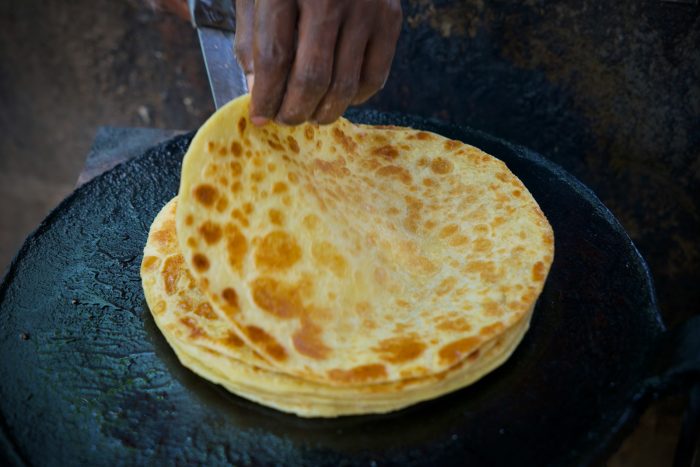
- Rolex: A popular street food, the rolex is a rolled chapati (flatbread) stuffed with scrambled eggs and vegetables. Its simplicity and delicious flavor make it a favorite.
- Fish Dishes: Near freshwater sources such as Lake Victoria, fish dishes like tilapia are prominently featured. The fish is often eaten grilled, fried, or in flavorful stews.
By tasting and learning to prepare such traditional dishes, culinary safari participants gain insight into Uganda’s broader food culture. These meals are heavily tied to the everyday life, celebrations, and traditions of Ugandans.
Are local markets and food tours included in culinary safaris in Uganda?
Yes, local markets and food tours are commonly included in culinary safaris in Uganda. These are an important way for visitors to get firsthand exposure to the ingredients, spices, and traditional cooking practices used by locals daily.
For instance, many itineraries feature a visit to markets like Nakasero Market in Kampala or Owino Market, where vendors sell a mix of fresh produce, grains, spices, and meats. Travelers get to explore the vibrant stalls, interact with vendors, and understand how and where Ugandan households source their food.
Food tours often go beyond market visits by offering a guided introduction to street food. Guests can taste delicacies like Rolex (a rolled chapati and egg dish) or grilled meat skewers straight from roadside vendors.
In some cases, these tours may include cooking experiences where participants buy fresh ingredients from the market and prepare traditional dishes alongside locals. This hands-on involvement helps visitors connect with Ugandan culture through its cuisine.
Overall, incorporating local markets and food tours makes these safaris more dynamic and lets visitors appreciate the role of fresh ingredients and community interaction in Ugandan cooking.
What is the role of cultural immersion in Uganda’s culinary safaris?
Cultural immersion is a central aspect of culinary safaris in Uganda, as food is deeply tied to traditions, beliefs, and daily life throughout the country. Visitors are not only introduced to dishes and cooking techniques but are also provided an opportunity to connect with the customs and stories tied to those meals.
For example, during a culinary safari, tourists might visit a rural village where they experience communal cooking over an open flame, which is a significant part of Ugandan social life. Guests might learn how millet flour is processed to make Kalo (millet bread) or how stews are cooked in banana leaves, a tradition meant to preserve flavors and nutrients.
In these settings, meals are often shared as part of a larger conversation about family, celebrations, and heritage. Sometimes, storytelling accompanies the meal, offering insights into how food traditions have been passed down through generations.
Language, customs, and even farming practices are also often discussed, so visitors leave with a broader perspective beyond just the meal itself. These interactions are designed to deepen understanding and respect for Uganda’s diverse cultures.
By focusing on cultural immersion, culinary safaris ensure that visitors gain meaningful experiences, helping them connect to the people and traditions behind the food.
Which Ugandan tribes or communities are renowned for their unique cuisine?
Several Ugandan tribes or communities are well-known for their distinct culinary traditions, each shaped by the region they live in and the resources available to them. The Baganda people from Central Uganda, for example, are famous for their Luwombo dish, a rich stew cooked in banana leaves. This traditional Ugandan dish is often reserved for special occasions and provides a signature flavor thanks to the unique steaming method used.
The Banyankole people of Western Uganda emphasize dairy products in their cuisine. Their love for Eshabwe, a creamy sauce made from ghee, is notable. This dish often accompanies matoke (steamed bananas) or other starches during traditional meals, creating a comforting experience for food lovers.
The Banyankole people of Western Uganda emphasize dairy products in their cuisine. Their love for Eshabwe, a creamy sauce made from ghee, is notable. This dish often accompanies matoke (steamed bananas) or other starches during traditional meals.
Eastern Uganda is home to the Iteso and Basoga communities, who are renowned for their preparation of millet-based meals and sweetened cassava bread. They also make Bushera, a fermented millet drink enjoyed during ceremonies, which adds to the diverse culinary experiences available in the region.
Each of these groups uses cooking techniques and ingredients suited to their local environment, showcasing the depth and variety in Uganda’s culinary landscape. Exploring these tribal cuisines gives insight into their lifestyles and histories, making them a significant element of food tourism.
Engaging in a food journey through Uganda’s various dishes not only tantalizes the taste buds but also offers a unique perspective on the cultural heritage of the country, making it a must for any culinary exploration enthusiast.
Are the culinary safaris in Uganda combined with wildlife or cultural experiences?
Culinary safaris in Uganda often blend wildlife and cultural experiences, allowing travelers to enjoy not only the country’s natural beauty but also its rich culinary heritage. Many safari itineraries include trips to Uganda’s national parks, such as Bwindi Impenetrable Forest National Park or Queen Elizabeth National Park, where visitors can encounter gorillas, chimpanzees, lions, and elephants while indulging in traditional Ugandan dishes inspired by the local environment. For example, you might savor fresh fish stew from Lake Victoria or beef cooked in banana leaves, a method that highlights the unique flavors of traditional Uganda food dishes.
The cultural aspect is a vital part of these safaris. Uganda is home to numerous ethnic groups, each showcasing distinct culinary traditions. On these journeys, visitors often have the chance to visit villages, interact with locals, and learn about food preparation customs. Engaging in activities like grinding millet by hand or cooking alongside community elders enriches the food experience, while participating in a traditional dance after a shared meal creates lasting memories.
Additionally, some tours include stops at local markets, where travelers can connect directly with farmers and vendors, sampling tropical fruits like mangoes and jackfruit or selecting spices and ingredients. This combination of food tourism, wildlife, and cultural exploration transforms culinary safaris in Uganda into a rich and multifaceted food journey.
Ultimately, these experiences allow food lovers to delve into Uganda’s culinary soul, discovering authentic dishes and unique flavors that reflect the country’s heritage. From roadside eateries to local markets, the adventure of tasting different foods during a Uganda food safari is truly unforgettable.
What is the best time of year to go on a culinary safari in Uganda?
Uganda has two dry seasons: from December to February and from June to August. These are generally considered the best times to visit due to more comfortable weather conditions and ease of travel. Roads are more navigable, and wildlife viewing is optimal, as many animals gather near water sources during the dry months.
For culinary safaris, the dry seasons also offer opportunities to explore markets, farms, and villages with little disruption from rain. The availability of fresh produce is consistent year-round due to Uganda’s fertile soils and favorable climate, so you’ll find tropical fruits, grains, and vegetables no matter when you visit. For example, bananas, used in dishes like matoke, a popular staple, are harvested throughout the year.
However, traveling during the rainy seasons (March to May and September to November) has its advantages, too. These are typically quieter tourism periods, which might allow for more personalized experiences. Plus, during the rains, the countryside becomes lush and green, creating a picturesque backdrop for both food and wildlife activities.
One consideration for culinary enthusiasts is timing your trip around local food festivals or harvest periods. For example, certain cultural celebrations or events, like the Rolex Festival, spotlight Ugandan cuisine, making your trip even more enriching.
How do dietary restrictions or preferences get accommodated on Ugandan culinary safaris?
Most tour operators and culinary safari planners in Uganda are experienced in catering to a variety of dietary needs. If you have specific restrictions or preferences, it’s critical to communicate these in advance so that appropriate arrangements can be made.
Common dietary needs include vegetarian, vegan, gluten-free diets, and allergies to specific ingredients such as nuts or dairy. Many Ugandan dishes are plant-based or rely heavily on fresh produce, making it easier to accommodate different dietary choices. For instance, staples like beans, lentils, sweet potatoes, and millet bread are naturally vegetarian and can be adjusted for most restrictions.
If you are vegan, options like vegetable stews, roasted plantains, and peanut sauces (omitting animal products) can be prepared. For gluten-free diets, alternatives like cassava, yam, and millet are widely available.
Food allergies are taken seriously, especially for those with life-threatening reactions. Tour guides will often accompany you to dining areas or communicate directly with chefs to ensure safe preparation. For example, if someone has a nut allergy, peanut-based sauces commonly used in dishes like luwombo can be avoided.
For more niche preferences such as ketogenic or low-carb diets, options may be more limited but not impossible. Proteins like fish, chicken, or goat are commonly prepared, and salads or vegetable sides can align with dietary goals.
The key to a positive experience is early communication. Most operators are well-versed in accommodating travelers’ dietary requirements while still allowing them to enjoy and engage with Uganda’s culinary traditions.
What is the typical duration of a culinary safari in Uganda?
The duration of a culinary safari in Uganda largely depends on the package or itinerary offered by the tour operator and the interests of the participants. Typically, culinary safaris last between 3 to 10 days, allowing food lovers to immerse themselves in Uganda’s rich culinary soul.
For shorter safaris lasting 3 to 5 days, participants often focus on specific regions or activities. For example, a short trip may include visits to local markets in a major city like Kampala or Jinja, cooking demonstrations, and meals with a local family. The shorter duration might also limit the number of destinations covered, often sticking to urban or nearby rural areas.
Longer safaris, lasting 7 to 10 days, offer participants more opportunity to explore not only food but also diverse regions within Uganda. These safaris may include visits to western Uganda’s tea plantations, traditional cattle-keeping communities in central Uganda, or the coffee-growing regions of Mt. Elgon in the east. Longer trips often allow for a deeper understanding of regional cuisines, the practices behind food preparation, and cultural experiences tied to food traditions.
Itineraries on these safaris often include both structured activities and free time to explore. Activities may feature guided cooking sessions, tasting tours in markets, visits to cultural festivals (if the timing aligns), and observing how traditional methods like steaming food in banana leaves are practiced, enhancing the overall food experience.
Regardless of the length of the safari, flexibility is common. If participants wish to extend or shorten their time, some operators can adjust plans based on availability and coordination. The mix of cultural activities, cooking lessons, and market tours ensures that each itinerary is engaging, regardless of its duration.
What are some recommended tour operators offering culinary safaris in Uganda?
Several tour operators specialize in or offer culinary-focused safari packages in Uganda, often combining food-focused experiences with cultural and wildlife activities. Below are some examples of operators offering such services:
- Primate World Safaris (Uganda): This operator is well-known for customizing itineraries that focus on culture and cuisine. They provide options to explore local markets, cook with local chefs, and visit specific regions renowned for their food.
- Kampala Walking Tours: This operator provides shorter tours in and around Kampala, focusing on visits to markets like Nakasero Market. Their culinary programs often highlight street food and informal foodie experiences within urban settings.
- Epic Uganda Vacations: This team offers culinary tours that aim to connect guests with local communities. These tours often include farm-to-table experiences, hands-on cooking sessions, and visits to tea or coffee plantations.
- Pearl of Africa Tours: While they specialize in general safaris, their cultural itineraries often include culinary components, such as visiting rural areas or enjoying traditional meals hosted by locals.
- Uganda Cultural Safaris: This operator specializes in immersive tours focused on Ugandan traditions, and specific culinary safaris can be requested. They include visits to tribal areas, where guests are taught how to cook signature dishes like matoke or smoked fish.
When selecting a tour operator, it’s a good idea to look for testimonials from past clients and verify whether the operator includes educational components like cooking demonstrations, information about ingredients, or insights into Ugandan food culture. It’s also helpful to raise specific requests, such as dietary restrictions or preferences, to ensure the safari aligns with personal needs.
How does Ugandan coffee, tea, and other beverages factor into the culinary safari experience?
Ugandan beverages, especially coffee and tea, are integral parts of any culinary safari experience. Uganda is one of Africa’s top producers of robusta and arabica coffee and boasts rich traditions tied to both coffee-growing and tea cultivation.
Culinary safaris often devote part of the itinerary to rural areas where coffee is grown. For example, participants might visit the Mount Elgon region (near Sipi Falls), which is known for arabica coffee. Here, visitors can walk through coffee farms, learn about traditional methods of coffee cultivation and harvesting, and even try their hand at roasting or brewing. Coffee-tasting sessions are common, allowing participants to sample freshly brewed Ugandan coffee and understand flavor profiles.
Tea is another important beverage in Uganda, with extensive tea plantations in areas like Fort Portal and western Uganda. During a culinary safari, participants might tour a tea plantation where they are guided through the planting and harvesting processes. Tasting sessions of black, green, or herbal teas typically accompany these visits, giving a glimpse into the significance of tea in Ugandan culture.
Beyond coffee and tea, other beverages often included in culinary safaris are local brews or beverages rooted in Ugandan traditions. Examples include waragi, a banana or millet-based local gin; malwa, a fermented millet drink served in traditional settings; and bushera, a sorghum or millet-based porridge-like drink. These beverages provide insight into the country’s indigenous brewing methods and communal drinking practices.
Overall, incorporating coffee, tea, and other drinks into a culinary safari gives participants a full-circle picture of Uganda’s gastronomic identity, from its agricultural roots to its heritage in both modern and traditional drinks.
How To Book Your Tanzania Safari
Now that you know all about the best culinary safaris in Uganda , from what they are to how they immerse you in local flavors and why they’re a must-try for food lovers , it’s time to take the next step! To make your food journey seamless, book your Uganda food safari adventure with one of the Best Safari Companies in Tanzania. They specialize in crafting unforgettable culinary experiences. Click the link to start planning your Ugandan foodie adventure today! Bon appétit and safari njema!