The best agro tourism safaris in Uganda offer unique experiences combining agriculture and wildlife exploration. Popular destinations include Nkoma Farm in Mukono for farm-to-table tours, the Mbarara Stock Farm showcasing modern cattle rearing, and the Kyagalanyi Coffee Farm for coffee cultivation insights. Activities include banana plantation tours in Bushenyi, honey production demonstrations in Lira, and visits to tea plantations in Fort Portal. These safaris often complement visits to nearby wildlife parks, offering options similar to Tanzania safaris, creating a diverse itinerary blending learning with adventure.
What is agro-tourism and how is it practiced in Uganda?
Agro-tourism, also known as agricultural tourism, is a type of travel where visitors explore rural areas and learn about farming, agriculture, and village life. The goal of agro-tourism is to allow tourists to connect with agricultural practices, cultures, and traditions while also supporting rural economies. Visitors typically engage in farm-related activities, such as planting crops, picking fruits, milking cows, or learning about how produce is processed before reaching markets. It’s a way to enjoy rural scenery while gaining insights into how food is grown and farm work is done, making it a popular choice for Uganda tours.
In Uganda, agro-tourism is centered around the country’s rich agricultural diversity. Uganda’s tropical climate and fertile soils support the growth of crops like bananas, coffee, tea, and sugarcane, all of which are important both locally and globally. Tourists can embark on agro tourism safaris to visit tea plantations in western Uganda, coffee farms in Mount Elgon areas, or banana plantations in central Uganda. During these visits, farmers often demonstrate the growing and harvesting processes, followed by tasting or trying out traditional farming tools.
Livestock farming also plays a role in Uganda’s agro-tourism. Visitors might go to dairy farms to observe cattle or goat herding traditions, common in many Ugandan regions. Additionally, fish farming tours provide an opportunity to understand how tilapia and other fish are farmed in ponds or lakes, enhancing the experience of those on Uganda fishing trips.
This type of tourism is particularly popular because it blends educational opportunities with cultural interactions. Families, students, and researchers find agro-tourism in Uganda a meaningful way to connect with rural life while directly contributing to farmers’ livelihoods, making it an essential part of Uganda vacation adventures.
What makes Uganda a top destination for agro-tourism safaris?
Uganda is an ideal location for agro tourism because of its combination of favorable climate, diverse agricultural practices, and the variety of crops and livestock it produces. With its equatorial location, Uganda has fertile soils and good rainfall throughout the year, creating perfect conditions for a wide range of agricultural activities. Coffee, tea, sugarcane, bananas, and even vanilla are some of the major crops grown across the country. For many visitors, Uganda’s thriving farms provide an up-close opportunity to see how natural resources are transformed into products they consume daily, making it a key stop on many Uganda tours.
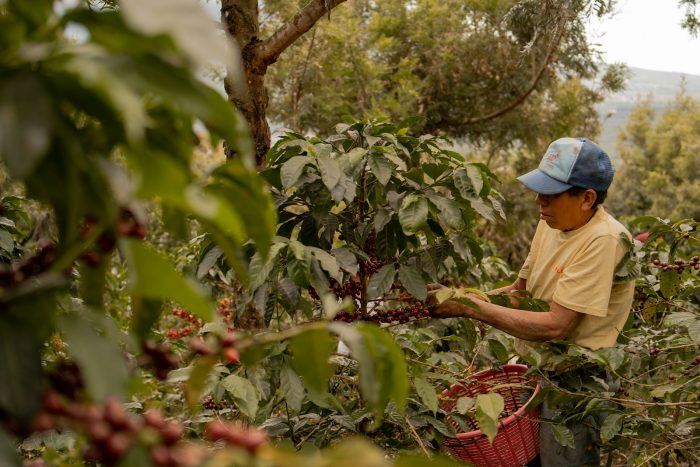
Another factor that draws people is the chance to learn about organic and sustainable farming practices. Many small-scale farmers in Uganda employ traditional, eco-friendly methods that avoid heavy use of chemicals. This not only showcases agriculture but also teaches lessons about protecting nature and biodiversity. Coffee farms in areas such as Mount Elgon and the Rwenzori Mountains are especially popular because Uganda is well-known for producing high-quality Arabica and Robusta coffee. Visitors get a chance to pick coffee cherries, see how they are processed, and even participate in roasting coffee, enhancing their experience on Uganda expeditions.
Uganda also stands out as it combines agro-tourism with rich cultural experiences. Every agricultural region in Uganda has distinct traditions, cuisines, and ways of life. For example, the Baganda in central Uganda have unique farming techniques centered around bananas, while the Banyankole in the southwest are known for their cattle rearing, making it an enriching stop on any agricultural tour.
Lastly, agro-tourism in Uganda offers stunning rural landscapes, ranging from lush plantations to gorgeous rolling hills. Tourists enjoy the scenery while reconnecting with nature and supporting local farmers. This mix of agricultural learning, culture, and beauty makes Uganda a favorite destination.
Which regions in Uganda are most popular for agro-tourism safaris?
Uganda has several regions known for agro-tourism, each famous for specific crops, livestock, or farming practices. Different areas focus on different types of agriculture, so visitors often choose a region based on the crops or activities they find most interesting.
- Western Uganda: This region has tea plantations in lush areas like Fort Portal and Mbarara. Western Uganda is also known for livestock farming, particularly dairy cattle raised by the Banyankole people. Visitors enjoy the scenic terrain combined with activities such as tea picking, milking cows, or learning about cheese-making processes.
- Central Uganda: The central region is popular for banana plantations, often referred to as “matoke,” which is a staple food in Uganda. This region showcases how bananas are grown, processed, and cooked in traditional dishes. Key districts include Wakiso and Mukono, where agro-tourism is thriving.
- Eastern Uganda: Mount Elgon is a major agro-tourism hub due to its coffee farms. The high altitudes and fertile soils around the mountain create ideal conditions for producing Arabica coffee. Kapchorwa district, in particular, attracts visitors interested in coffee tours that teach everything from cultivation to export.
- Northern Uganda: The northern region is increasingly popular for agro-tourism revolving around crops like simsim (sesame), millet, and sorghum, which are often processed into local delicacies. Visitors learn about traditional farming techniques and the importance of these crops in local diets.
- Lake Victoria Regions: The areas surrounding Lake Victoria include agricultural activities related to fish farming and cassava cultivation. Visitors to Wakiso and Entebbe districts often explore fish farming ponds and witness cassava processing.
Each region showcases its own blend of agriculture and culture, giving tourists a rich variety of experiences while traveling across Uganda.
What are the best farms or agro-tourism sites to visit in Uganda?
Uganda has several farms and agriculture-related sites that are open to visitors for agro-tourism. These places are designed to give tourists insight into the country’s agricultural activities, while providing recreational and educational experiences.
The Nabuin Zonal Agricultural Research and Development Institute in Karamoja is a great example of an agro-tourism site in Uganda. It offers visitors a chance to see how research is conducted on drought-resistant crops and livestock breeds suitable for arid climates. This is particularly important for farmers in semi-arid regions.
Another popular location is the Ssese Palm Oil Project located on Bugala Island. Guests can explore large palm oil plantations, learn how oil is extracted, and understand its significance as a cash crop in Uganda. The island’s natural scenery adds to the visit, making it both informative and visually pleasing.
Other farms include the Nyakyera Fish Farm in Ntungamo District, where visitors can learn about aquaculture and fish farming techniques. People can participate in fishing activities and see how fish like tilapia and catfish are harvested.
For coffee lovers, the Sipi Falls Coffee Project in Eastern Uganda is a critical stop. It takes tourists through the coffee production process, from planting, harvesting, and roasting to tasting. The tour is uniquely paired with the scenic beauty of Sipi Falls and hiking opportunities.
Dairy farms such as Jesa Farm in Wakiso District showcase modern dairy farming methods, milk processing, and cheese production facilities. It’s ideal for understanding Uganda’s dairy sector.
These farms showcase the diversity of agricultural industries in Uganda, providing varying experiences such as crop farming, animal husbandry, aquaculture, and even agro-processing.
What activities can visitors engage in during an agro-tourism safari in Uganda?
Visitors participating in agro-tourism safaris in Uganda can enjoy a diverse range of hands-on activities that provide unique learning opportunities. These experiences are tailored to teach about farming while being engaging for individuals and families.
One key activity is participating in crop farming. On farms like coffee or tea plantations, tourists can join locals in harvesting crops, weeding, or planting seedlings. For example, on banana plantations, visitors can assist in feeding banana plants with organic fertilizers.
Livestock farming activities are also common on agro-tourism safaris. Visitors can milk cows, feed chickens, or help herders in guiding goats and cattle. This allows participants to gain firsthand knowledge of how livestock is reared and cared for in Uganda.
Some farms include educational workshops or tours, where guides explain the stages of crop processing. At coffee farms, participants often get to pick coffee berries, witness the roasting process, and even brew a cup of coffee themselves.
Aquaculture farms offer activities like fish feeding or guided fishing tours. Visitors might get to help clean fish ponds or join fish harvesting sessions. It’s both entertaining and informative for those interested in fisheries.
Cooking and tasting food prepared with farm-fresh ingredients are also popular activities. For example, visitors in dairy farms can learn to process milk into cheese or yogurt, while others might take part in preparing authentic Ugandan dishes using locally grown produce.
For a recreational touch, some agro-tourism sites incorporate outdoor activities, such as hiking. In places like coffee farms around Sipi Falls, guests can combine farming activities with nature walks and photography of the beautiful surrounding landscapes.
These activities allow visitors to participate actively, making agro-tourism safaris in Uganda both educational and enjoyable.
Are there organized tours or packages for agro-tourism safaris in Uganda?
Yes, Uganda has organized tours and safari packages tailored specifically for agro-tourism. Many local and international tour companies offer these packages to meet the needs of both local and international tourists interested in agricultural experiences.
These packages typically include visits to multiple farms or agro-tourism sites within a region. For example, a safari package might combine a visit to a coffee plantation near Mount Elgon with a trip to tea estates in the same area. Some itineraries also incorporate visits to local markets, where tourists can see how farm produce is sold and consumed.
Guided tours are often included in these packages, providing an opportunity to learn directly from experts or local farmers at each site. For example, a guide might explain the importance of organic farming methods or how certain crops are processed for export.
Some packages are thematic, focusing on particular forms of agriculture like fisheries, dairy farming, or industrial crop farming (e.g., sugarcane and palm oil). Others may offer broader experiences by combining these activities with cultural components, such as interacting with local communities or traditional farmers.
Safari packages may also provide transport, meals, and accommodation. For instance, visitors may stay at farm lodges or homestays, enabling them to experience rural life in Uganda. Options for family-friendly or solo traveler packages are often available.
Tour operators like Uganda Tourism Board (UTB)-approved agencies or private companies, such as Pearl of Africa Tours, often organize these trips. Packages can range from one-day trips to multi-day tours based on the traveler’s requirements.
These organized tours make agro-tourism in Uganda accessible and convenient, allowing tourists to explore the agricultural wealth of the country without worrying about logistics.
What are the peak seasons for agro-tourism in Uganda?
Uganda’s peak seasons for agro tourism align with the country’s dry seasons, occurring twice a year: from December to February and from June to August. These months are ideal for outdoor activities, including visiting farms and engaging in agricultural tours. During these times, the reduced rainfall makes it easier to access rural areas and participate in field activities without interruptions caused by muddy roads or wet conditions.
For instance, visiting coffee farms is popular during the dry seasons, where tourists can observe the processing stages as farmers prepare their harvests for export. These months also coincide with harvest periods for crops like maize, bananas, and tea, allowing visitors to witness the peak of agricultural productivity in Uganda. Such experiences make Uganda tours particularly attractive during this time.
Additionally, Uganda’s dry climates enhance the experience of visiting livestock farms, where tourists can explore cattle-rearing practices without worrying about wet or slippery ground conditions, common during rainy months. These tourism activities provide an authentic glimpse into local agricultural techniques.
Finally, tourists interested in fish farming find it easier to engage during these dry months, as clearer water bodies simplify the observation of aquaculture processes such as fish feeding and harvesting. In short, the dry seasons in Uganda create an ideal environment for various agro tourism safaris.
How do agro-tourism safaris in Uganda support local communities and farmers?
Agro-tourism safaris significantly benefit local communities and farmers by creating new income streams, promoting knowledge sharing, and encouraging sustainable practices. When tourists embark on Uganda tours that include farm visits, they often pay for guided tours, purchase farm products, or participate in hands-on activities like planting or harvesting. These payments go directly to local farmers, boosting their income and uplifting community economies.
For instance, participating in an agricultural tour at a coffee farm in Uganda often involves buying fresh beans or souvenirs, directly contributing to the farmer’s business. These sales can help farmers invest in better equipment, tools, or training to improve crop yields, enhancing the overall experience for visitors on Uganda expeditions.
Agro-tourism safaris also promote an exchange of ideas and experiences. Tourists might bring new farming techniques or ideas from their home countries, while locals share indigenous methods passed down through generations. This mutual learning can lead to improved farming practices and sustainable resource use, enriching the tourism journey for all involved.
Moreover, these safaris often create job opportunities in rural areas. Locals work as guides, cooks, or drivers, supporting the tourism infrastructure. This diversification of income can reduce poverty and support families by providing employment in areas where jobs may otherwise be limited, making it a vital part of Uganda’s tourism activity.
Lastly, the spotlight on sustainability in agro-tourism often motivates farmers to focus on eco-friendly practices. This ensures that the land and resources are preserved not just for their livelihoods, but also for future generations willing to participate in tourism and enjoy the amazing attractions of Uganda.
What crops or agricultural practices are unique to Uganda’s agro-tourism experience?
Uganda’s agro tourism is closely tied to its diverse agricultural products and practices, many of which are unique to the country’s climate and traditions. One standout product is coffee, particularly the Arabica coffee grown in high-altitude areas like Mount Elgon and the Rwenzori Mountains. These regions offer rich volcanic soils and cool climates, resulting in high-quality coffee that attracts global attention. Tourists engaging in agro tourism safaris often get to visit coffee farms to see the entire process, from planting to roasting.
Another unique crop is bananas, specifically the cooking banana commonly called “matoke.” Matoke is a staple food in Uganda, and tourists may explore how it is cultivated, harvested, and used in traditional meals. Similarly, tea plantations in southwestern Uganda, such as those in Bushenyi or Kabale, showcase the intricate processes involved in tea production, from plucking leaves to processing and tasting.
Uganda’s practices in organic farming also stand out. Many small-scale farmers engage in organic methods, utilizing no artificial fertilizers but relying on compost and manure. This eco-conscious approach is appealing to visitors interested in sustainable farming practices and contributes to the growing interest in agritourism.
Fish farming is another area of interest. The country has many aquaculture projects aimed at producing tilapia and catfish, where visitors sometimes participate in feeding fish or learning how fish ponds are managed. This hands-on experience enhances the overall appeal of Uganda tours focused on agriculture.
Lastly, Uganda’s beekeeping practices offer another unique aspect of agro tourism. Farmers produce organic honey by rearing bees in wooden hives, and tourists often learn how honey is harvested and processed. These crops and agricultural methods reflect Uganda’s unique blend of traditional and modern farming approaches, making it a fascinating destination for those seeking educational experiences in agriculture.
Are there accommodations or homestays available on farms during these safaris?
Yes, many farms in Uganda that participate in agro tourism offer accommodations or homestays. These options allow visitors to stay overnight on or near farms, giving them an authentic, up-close experience of rural Ugandan life. Accommodations can vary widely, from basic rooms in farmhouses to more luxurious eco-lodges or cottages designed to provide comfort while staying close to nature.
For example, some coffee or tea estates in Uganda have small guesthouses where visitors can stay overnight after learning about the farming and processing techniques. Homestays are also common, where travelers are hosted by local farming families in their homes. This kind of stay not only lets visitors enjoy Ugandan hospitality but also offers the opportunity to learn about local culture, traditions, and food preparation directly from the people who live and work on the land.
Additionally, eco-lodges near farming communities often cater to tourists interested in agro tourism safaris. These can include organic farms or plantations where visitors can rest while being surrounded by natural beauty and agricultural activities. Activities like milking cows, collecting eggs, or harvesting fruits are sometimes available to guests staying overnight, providing a more in-depth understanding of how farming contributes to the local economy and sustainability.
In general, farm-based accommodations in Uganda are often more peaceful and provide a break from the hustle of cities. They’re suitable for travelers seeking a slower-paced, more immersive travel experience. Whether you’re planning a quick countryside escape or a longer Uganda tour, this destination offers unique accommodations that can fit a variety of visitor preferences and budgets.
What are the cultural experiences offered alongside agro-tourism in Uganda?
Agro-tourism in Uganda is often intertwined with rich cultural experiences due to the country’s diverse ethnic groups and traditions. While enjoying Uganda tours, tourists may get the chance to participate in cultural activities that showcase local practices, food, music, and crafts.
For example, many farming communities in Uganda invite visitors to join in traditional cooking sessions. This may include preparing Ugandan dishes like matoke (steamed bananas), luwombo (a dish steamed in banana leaves), or millet bread. Guests may also help with food preparation, everything from grinding millet using traditional methods to roasting coffee beans, enhancing their agro tourism experience.
In some regions, cultural groups perform dances or songs specific to their communities. These performances often tell stories about the community’s relationship with farming or the natural environment. For instance, the Baganda people of central Uganda may demonstrate their traditional Buganda dance while explaining its roots in their agrarian history, making it a unique highlight of agro tourism safaris.
Local markets also offer a chance to see vibrant cultural exchanges. Visitors can interact with vendors selling fresh produce, handmade crafts, or traditional clothing. It’s common for tourists to be invited to learn crafting techniques, such as weaving baskets or pottery making, which are often part of the local economy and contribute to the overall appeal of Uganda’s tourist attractions.
Additionally, storytelling by elders is another cultural element tourists might experience on agro-tourism safaris. Elders often share tales related to farming, seasons, and the role of agriculture in their life stories, connecting visitors to the historical and social context of farming in Uganda.
Participation in festivals or ceremonies tied to agricultural cycles, like planting or harvest celebrations, can also be part of the experience. These events reflect the deep cultural integration of farming and spirituality in many Ugandan communities, enriching any farm visit and making it a memorable Uganda vacation adventure experience.
What is the cost range for agro-tourism safaris in Uganda, and are they family-friendly?
The cost of agro-tourism safaris in Uganda can vary widely depending on the type of experience, duration, and level of accommodation chosen. On average, costs can range from as low as $50 per person per day for a simple day tour, up to $200 or more per day for a multi-day stay that includes luxurious accommodations, meals, and guided tours.
For instance, visiting small-scale farms might cost less and could include activities like a farm tour or participating in hands-on farming tasks. More established agro-tourism sites, like coffee estates or eco-lodges, might charge more due to added services such as guided coffee processing tours, nature walks, or farm-to-table dining experiences. Costs also rise if tourists opt for package deals that include transportation and additional excursions.
These trips are indeed family-friendly. Many farms in Uganda offer activities suitable for children, such as planting seeds, feeding animals, or riding ox-carts. Staying in a homestay or family-oriented lodge can be a great way for children to learn about agriculture while enjoying the natural surroundings. Hosts also tend to adapt activities for kids, making them more engaging and interactive for younger visitors.
Families might also enjoy interactive cooking classes where kids can participate in learning how to make local dishes. Parents and children alike may find the slower pace of farm life relaxing and educational.
Overall, the flexibility of pricing and activities ensures that agro-tourism safaris are accessible and family-friendly, with opportunities for both budget-conscious travelers and those seeking a more premium experience.
How To Book Your Uganda Safari
Now that you know what agro tourism safaris in Uganda entail and how they connect you with nature and local farming traditions, it’s time to take the next step! To enjoy an unforgettable Uganda tour experience and explore the amazing attractions of Uganda’s hidden gems, get in touch with one of the experienced tour operators. They’ll help you plan the perfect trip that combines adventure, culture, and breathtaking landscapes. Click here to start your journey today!