The best cultural tours in Uganda include visits to the Batwa Pygmies near Bwindi Impenetrable Forest, showcasing their traditional forest lifestyle, and exploring Kampala’s Kasubi Tombs, a UNESCO World Heritage Site. Travelers can experience traditional music and dance in the Igongo Cultural Centre near Mbarara or visit the Nyero Rock Paintings, ancient rock art in eastern Uganda. Pairing these cultural insights with Tanzania safaris is popular, offering a combination of cultural heritage and wildlife experiences across East Africa.
What are the top cultural tours available in Uganda?
Uganda offers a variety of cultural tours that allow visitors to learn about the country’s rich history, traditions, and local communities. One popular option is the Uganda safari that includes visiting the Batwa communities in the southwestern part of Uganda near Bwindi Impenetrable National Park. The Batwa, also known as “pygmies,” are one of Uganda’s oldest indigenous groups, and tours often involve storytelling, traditional dance performances, and the sharing of their forest survival techniques.
Another notable cultural experience is the Kampala City tour. This trip often includes visits to important cultural landmarks such as the Kasubi Tombs, the Uganda Museum, and craft villages where visitors can buy handmade items like beaded jewelry or baskets, making it a fantastic cultural trip.
In the northern region, cultural tours involving the Karamojong provide an incredible way to explore their unique way of living. Visitors learn about their cattle-herding lifestyle, traditional dances, and mud hut settlements, enriching their understanding of Uganda culture.
The Tooro Kingdom tours in Fort Portal allow travelers to explore the royal palace and interact with Tooro cultural leaders while learning about their traditions. Adventure lovers often combine these cultural safaris with nature, such as spending time in the villages around the Rwenzori Mountains where locals explain how they balance their traditions with modern life.
Across Uganda, activities like learning traditional bark cloth making in Buganda and visiting coffee-growing communities to partake in coffee processing offer deep cultural insight, showcasing the diversity of Uganda’s cultural encounters.
These tours vary based on personal interests but can range from heritage-focused and village-based experiences to interactive adventures with locals, making Uganda a premier safari destination for cultural enthusiasts.
What are the key cultural sites and landmarks to explore in Uganda?
Uganda is home to several important cultural sites and landmarks that reflect its rich history and traditions. A key landmark is the Kasubi Tombs in Kampala, a UNESCO World Heritage Site and the burial ground for previous kings of the Buganda Kingdom, showcasing traditional Ganda architecture. For those planning a cultural trip, this site is a must-see.
Another important site is the Uganda Martyrs’ Shrine at Namugongo, located near Kampala. It honors Christians who were executed for their faith in the late 19th century. It is also a pilgrimage site visited by many annually, especially on June 3rd, known as Martyrs’ Day.
In Jinja, the Source of the Nile area holds cultural significance as the point where the river begins its long journey to the Mediterranean Sea. Many local stories and traditions are connected to this remarkable natural feature, making it a popular destination for international tourists.
In western Uganda, the Tooro Kingdom Palace in Fort Portal represents the cultural heritage of the Tooro people. The palace sits in a scenic location and is still used for ceremonial events and cultural activities, offering visitors a glimpse into Uganda culture.
The Buganda Parliament, known as Bulange in Kampala, also holds cultural and political significance as a historical meeting place for Buganda’s royal council.
For those interested in ancient history, the Nyero Rock Paintings in eastern Uganda near Kumi are fascinating prehistoric art pieces that provide insight into early human life in the region.
Lastly, Igongo Cultural Centre near Mbarara is not just a museum but also a place to learn about the history and cultures of southwestern Uganda, including exhibits on Ankole traditions.
Each of these locations tells a story about Uganda’s diverse past and the different communities that live there today.
Which indigenous tribes or communities can visitors interact with during cultural tours?
Uganda is incredibly diverse, boasting over 50 different ethnic groups that allow international tourists numerous opportunities to interact with indigenous tribes. One of the most well-known groups is the Batwa, often referred to as the forest people. The Batwa were the original inhabitants of the Bwindi and Mgahinga forests and are celebrated for their deep knowledge of the natural environment, hunting techniques, and connection to the land. Many cultural safaris include visits to their settlements, where they share stories, dances, and traditional customs, creating a rich cultural experience.
The Karamojong people of the northeastern region present another fascinating group to meet. Known for their cattle-herding lifestyle, they place great importance on their livestock as both a source of wealth and social status. Visitors to Karamoja often participate in activities such as cattle herding, traditional dances, and cultural encounters that revolve around their daily life, enhancing the adventure of a cultural trip.
The Baganda people, the largest ethnic group in Uganda, can be found in and around the central region, including Kampala. Tours here frequently include an exploration of their language, traditions, and royal history at sites such as the Kasubi Tombs and Mengo Palace, making it a must-visit for those interested in Uganda culture.
The Banyankole, located in southwestern Uganda, are renowned for their long-horned cattle and traditional pastoral lifestyle. While visiting their communities, travelers often learn about their customs, milk processing practices, and roles within the clan system, making for an enriching cultural tour.
The Acholi people in northern Uganda are also a highlight for cultural explorers. Visitors can learn about their traditional dances, music, and the meaning behind their art, often including interaction with ceremonies or performances.
Lastly, the Tooro people near Fort Portal welcome visitors, showcasing their way of life, especially during tours of the royal palace or surrounding villages. From the east to the west, different tribes provide varied cultural perspectives, rich interactions, and unique experiences, making Uganda a premier safari destination for cultural and wildlife enthusiasts alike.
What traditional practices or ceremonies are unique to Uganda’s culture?
Uganda is home to several distinct traditional practices and ceremonies that reflect the rich history and diversity of its people. One of the standout ceremonies is the coronation of the Buganda Kingdom’s king, known as “Kabaka.” The cultural rituals surrounding the Kabaka are deeply rooted in the traditions of the Baganda people, and events such as the “Ekisakaate” (cultural camps for youth) promote values like respect and communal responsibility. For those looking to immerse themselves in Uganda culture, participating in these events can be a unique experience.
Another example is the Imbalu circumcision ceremony practiced by the Bamasaaba (Gisu) people in eastern Uganda. It is a rite of passage for boys transitioning into manhood, accompanied by drumming, dancing, and community celebrations. Typically held during even-numbered years, these public events draw many international tourists who want to witness the cultural pride and unity displayed through energetic music and dances. This cultural experience is often highlighted in safari tours.
The Banyankole people have unique wedding practices, where families of the bride and groom exchange gifts and perform traditional rituals symbolizing marital union. The Ankole cattle, central to their community, take precedence in ceremonies as they are considered a symbol of wealth and beauty. Such traditions are often included in cultural safaris that showcase the region’s rich heritage.
Traditional rainmaking ceremonies are also significant. The Karamojong and Acholi communities often honor ancestors or deities through sacrifices and dances in hopes of bringing rain during prolonged droughts. These ceremonies emphasize the importance of gratitude and connectedness with nature.
Are there any UNESCO World Heritage cultural sites in Uganda?
Yes, Uganda is home to the Kasubi Tombs, recognized as a UNESCO World Heritage Site due to their cultural significance. Located in Kampala, these tombs serve as the burial grounds for the kings (Kabakas) of the Buganda Kingdom. Built entirely using traditional organic materials like wood, reeds, and grass, the site showcases exceptional craftsmanship reflective of Uganda culture and architectural styles.
The tombs symbolize the spiritual, political, and historic heritage of the Buganda people. Beyond their purpose as a burial site, they also function as a cultural center where the kingdom’s traditions and historical records are preserved. Visitors on a cultural trip can explore these grounds to learn about Buganda’s monarchy, traditional beliefs, and rituals tied to burial practices.
Another cultural heritage site with UNESCO recognition is Nyero Rock Paintings in eastern Uganda. Although not a full UNESCO World Heritage member, it is listed as a tentative site. These ancient rock art paintings were created by early inhabitants and convey messages about their way of life. They include geometric motifs believed to hold spiritual significance.
Both sites are essential for those who wish to gain insight into Uganda’s cultural evolution and appreciate the creativity of its ancient and modern communities, making it a must-visit for international tourists seeking unique wildlife safaris.
What traditional foods or cuisines can visitors experience during cultural tours in Uganda?
Ugandan cuisine is diverse, flavorful, and utilizes locally available ingredients, making it a significant aspect of the country’s cultural experience. One staple food is “matoke,” made from steamed green plantains. It is often served with a rich groundnut (peanut) sauce or paired with meat stews like beef or chicken. Matoke holds cultural importance and is particularly popular among the Baganda people, reflecting the essence of Uganda culture.
Another delicacy is “luwombo,” a traditional stew cooked in banana leaves. Common fillings include chicken, beef, or mushrooms flavored with spices and groundnut paste. Luwombo often comes out during special ceremonies like weddings or festive gatherings, showcasing the vibrant traditions of Ugandans.
Rolex is a popular street food combining a chapati (flatbread) and an omelet rolled together, quick to make and very satisfying. It represents Uganda’s modern twist on food innovation tailored to urban tastes, perfect for international tourists on a safari adventure.
Another loved dish is “malewa,” bamboo shoots usually prepared by the Bamasaaba (Gisu) community in eastern Uganda. Malewa is dried and stewed, often cooked with groundnuts for added flavor. It is an interesting opportunity for visitors to taste something nutritious and region-specific during their trip.
For beverages, Uganda takes pride in its banana-based drinks called “tonto” (a mildly fermented beer) and “waragi” (distilled gin). Coffee lovers will appreciate Uganda’s high-quality coffee beans, and tea is a regular accompaniment for most meals.
Whether in a local home, at a cultural event, or street market, trying traditional dishes offers insight into themes of community, innovation, and identity, enriching the overall experience of a cultural trip in Uganda.
What role do traditional music, dance, and art play in Ugandan culture, and where can visitors experience them?
Traditional music, dance, and art are central to life in Uganda, with communities using them to tell stories, celebrate important milestones, and preserve their cultural identity. These art forms are not only entertaining but are also used to communicate values, pass down historical tales, and unite communities. For those planning a cultural trip, experiencing Uganda’s vibrant traditions is a must during a visit.
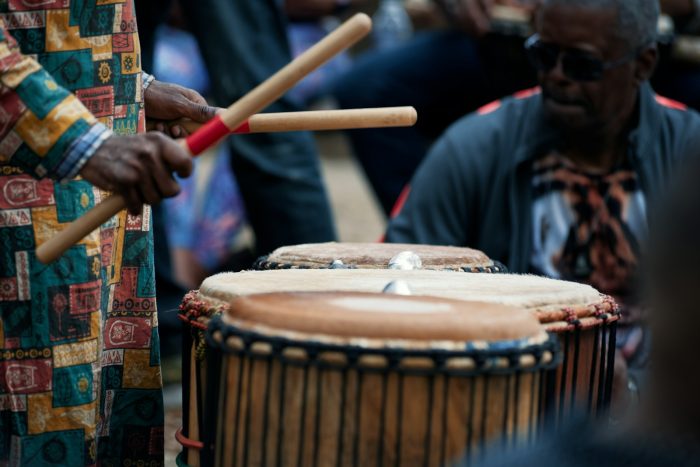
Music often involves a variety of traditional instruments like the “endongo” (a lyre), the “adungu” (a harp), and drums, which are particularly significant. Drums are used in ceremonies for spiritual purposes or during celebrations like weddings. Songs commonly include call-and-response styles and convey stories from daily life, advice for future generations, or praise for their environment, making them an integral part of the Uganda culture.
Dance is also highly important as it complements the music. Each ethnic group in Uganda has unique dances. For instance, the Bakiga perform the “Ekizino,” a high-energy stamping dance, while the Baganda are known for the “Amaggunju,” a royal dance performed during cultural ceremonies. These dances often involve specific costumes or props that reflect the culture of the tribe.
Art, including crafts and visual arts, is another important expression of Ugandan culture. Items like bark cloth, basket weaving, and pottery highlight both practical and decorative purposes, providing insight into the daily lives of Ugandans.
Visitors can experience traditional music, dance, and art in various places. Cultural centers like the Ndere Centre in Kampala frequently host performances. Village tours in tribal areas, such as Kidepo Valley’s Karamojong villages, also allow travelers to watch traditional dances, making it a unique opportunity for those interested in cultural safaris. Artisans’ markets, like those in Kampala, are great for exploring Ugandan crafts and artwork.
When is the best time of year to take cultural tours in Uganda?
Uganda’s cultural tours can be enjoyed year-round, but certain factors might affect your experience, such as weather conditions and the timing of cultural events or festivals.
Uganda generally has two dry seasons: December to February and June to August. These periods make traveling easier because roads are less muddy, and outdoor cultural events are less likely to be disrupted by rain. Dry seasons are great for planning visits to rural areas or community villages, as access to these locations can be unpredictable during the rainy months.
Meanwhile, traveling during the wet seasons (March to May and September to November) can still be worthwhile, although rainfall might pose some logistical challenges. However, this could also mean fewer tourists, allowing for a quieter exploration of cultural landmarks and experiences.
For a unique and vibrant cultural experience, aligning your visit with a key cultural festival can make your trip more special (more on that below). Some events only take place at specific times of the year, so planning ahead is essential.
Overall, while cultural tours in Uganda are accessible throughout the year, travelers seeking convenient logistics and favorable weather might prefer the dry season. Always check for updates on community events or celebrations scheduled during your visit.
Are there any famous cultural festivals or events that visitors should attend in Uganda?
Uganda boasts a variety of festivals and cultural events that highlight the richness of its traditions, making it an ideal destination for cultural safaris. These events provide visitors with opportunities to immerse themselves in the local culture, witness traditional music and dance, and engage meaningfully with communities.
One of the most notable festivals is the “Imbalu” ceremony of the Bagisu community, held in eastern Uganda. This cultural experience is a traditional circumcision rite that marks the transition from boyhood to manhood, accompanied by vibrant singing, drumming, and dancing. It typically occurs between August and December during even-numbered years, attracting both locals and international tourists.
The “Rolex Festival,” named after Uganda’s popular street food (a rolled chapati with eggs and vegetables), is another fun event held annually in Kampala. This festival celebrates Ugandan culinary culture and brings together music, food, and crafts, making it a highlight of any trip to Uganda.
The “Bayimba International Festival,” often held in Jinja or Kampala, showcases contemporary arts, including music, theater, visual art, and dance. It attracts performers and audiences from across Africa, providing visitors with insights into both traditional and modern Ugandan creativity.
Another cultural highlight is the “Kabaka’s Birthday Celebration,” a royal event honoring the king (Kabaka) of Buganda. This ceremony incorporates traditional rituals, speeches, and dances, allowing visitors to witness the deep respect the Baganda people have for their monarch while enjoying the beautiful scenery.
To attend such festivals, research the event dates beforehand, as some follow traditional or lunar calendars. These festivals can serve as perfect opportunities to interact with locals, learn about customs, and celebrate the diverse heritage Uganda has to offer, making it a must-visit for anyone interested in cultural encounters.
What are some ethical considerations when participating in cultural tours in Uganda?
When taking part in cultural tours in Uganda, it’s important to act respectfully and responsibly. The goal is to appreciate and learn from the culture without causing harm or discomfort to the communities you’re visiting.
One key consideration is respect for the local customs and traditions. Dress modestly, especially in rural areas, as clothing considered acceptable in your country might not be appropriate there. For example, wearing shorts or sleeveless tops might be frowned upon in some communities. A good practice is to wear loose-fitting clothes that cover your shoulders and knees.
Seek permission before taking photos of people or their homes and belongings. While a person may be willing to pose for a photo, it’s polite to ask first instead of assuming it’s okay. Some individuals may not wish to be photographed due to personal or cultural reasons.
Be careful to avoid exploitative practices, such as visiting communities only to “observe” without engaging meaningfully. This can make people feel like they are being treated as spectacles rather than individuals with rich histories. Instead, interact, ask thoughtful questions, and participate respectfully if invited to join their activities.
Refrain from giving cash or gifts to children and individuals. Though it might feel kind, this can create dependency or encourage children to beg from tourists. Instead, consider donating to credible organizations in the community that can provide long-term benefits.
Lastly, be mindful of your environmental impact. Avoid littering or causing damage to natural and cultural resources. Respect preserved sites and follow guidelines if you visit sacred spaces.
In summary, behaving ethically during cultural tours ensures not only a positive experience for you but also respect and long-term benefit for the communities you visit.
How can visitors support local communities during cultural tours in Uganda?
Tourism can greatly benefit local communities in Uganda when done thoughtfully. Supporting communities starts with choosing local businesses and community-based tourism activities.
For instance, book accommodations that are owned and run by locals, such as small guesthouses or lodges near cultural attractions. This ensures that the economic benefits remain within the community. Similarly, hire local guides who can share personal insights about the culture, history, and way of life.
Participate in cultural tourism programs explicitly designed to empower communities. Joining initiatives like craft workshops, village tours, or traditional cooking classes is not only a great learning experience but also offers direct financial support to the locals running such activities.
Buying handmade crafts or souvenirs from local artisans is another impactful way to help. For example, you could purchase items like beaded jewelry, handwoven baskets, or carvings. Fair pricing is important, pay the stated price rather than bargaining too aggressively, as the money helps sustain livelihoods.
Visitors can contribute to long-term development by donating to organizations that provide education, healthcare, or other support in rural areas. Check for initiatives endorsed by the community itself to ensure donations are used effectively.
If you’re participating in any volunteer work during your trip, ensure the program aligns with ethical standards, such as supporting sustainable development and avoiding harm.
By being intentional about where your money and time are spent, you help preserve cultures and improve lives while enhancing your own travel experience.
Are cultural tours in Uganda suitable for all age groups and types of travelers?
Cultural tours in Uganda are highly flexible and can be enjoyed by individuals of all ages and diverse preferences. They often include activities that cater to different energy levels, interests, and accessibility needs.
For children and families, many cultural tours incorporate engaging, hands-on experiences. For example, visiting a rural community may allow kids to learn how to make local crafts or try traditional dances. Families can also enjoy storytelling sessions where elders narrate tales shared for generations.
Senior travelers or those preferring slower-paced activities can focus on site visits to museums, heritage centers, and cultural landmarks. These provide ample opportunities for learning without requiring physical exertion. An example could be exploring the Uganda Museum in Kampala or visiting well-preserved ancient tombs like the Kasubi Tombs.
For adventurous travelers, cultural experiences can be woven into other activities, such as staying with a host family and participating in daily activities like farming, fishing, or preparing traditional meals. These opportunities provide a deeper connection to the culture.
Accessibility is improving in many locations, so travelers with mobility challenges can find tours suitable for their needs. Tour operators are increasingly adapting their services to accommodate a variety of physical abilities, but it’s helpful to communicate any requirements in advance.
Cultural tours are also suitable for couples, solo travelers, or groups of friends. Whether you’re seeking quiet engagement with the local culture or want to explore lively cultural festivals, there’s something for everyone.
In essence, cultural tours in Uganda can cater to just about anyone, offering opportunities for meaningful learning and connection. They provide an avenue to engage with Uganda’s diverse heritage in ways that suit personal preferences and physical capabilities.
How To Book Your Uganda Cultural Experience
So, now you know what makes Uganda’s cultural tours so special, why they’re an unforgettable experience, and how to explore them like a pro. Ready to dive into this incredible journey? There’s no better way to uncover Uganda’s rich cultural heritage than by booking through one of the best safari companies for a unique wildlife safari. They know the ropes and will make your adventure seamless and unforgettable. Click here and let the magic begin, Uganda’s wonders, including its vibrant wildlife and cultural experiences, are waiting for you!