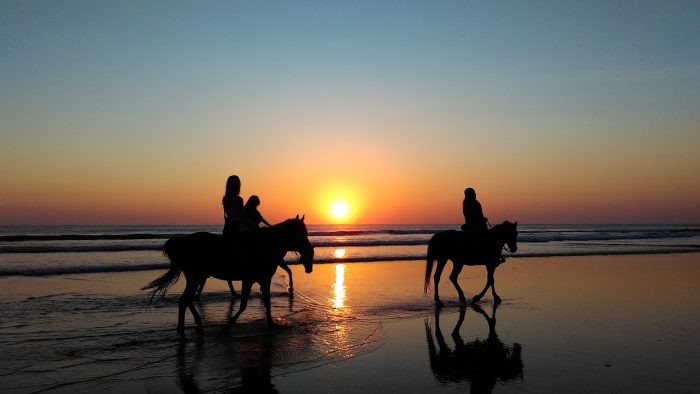
The best horse riding safaris in Uganda can be found in Lake Mburo National Park, known for its scenic trails, wildlife encounters, and open savannahs ideal for horseback adventures. This park provides unique opportunities to spot zebra, impala, buffalo, and eland while riding through the wilderness. Equestrian activities are managed by well-trained guides to ensure safety and a memorable experience.
What are the best horse riding safari destinations in Uganda?
Uganda offers a few beautiful destinations for nile horseback safaris, where visitors can explore the country’s natural beauty and wildlife in a unique way. One of the top destinations is Lake Mburo National Park. This park is especially popular for horse riding adventures because it allows riders to see zebras, antelopes, buffaloes, and other incredible wildlife up close, without the noise of motor vehicles. The park has open savannahs and wooded areas, making it a serene location for horseback riding safaris.
Another great destination is Jinja, located near the source of the iconic River Nile. Jinja offers horse riding safaris through rolling hills, local villages, and along the edge of the river. This experience combines stunning views of the Nile and an opportunity to interact with nearby communities. It’s particularly suitable for people looking for both scenic beauty and cultural immersion.
Some operators also offer horseback riding opportunities in Kabale and the southwestern areas near Bwindi Impenetrable Forest. These regions provide breathtaking views of hills, tea plantations, and forests. While these areas don’t usually have large concentrations of wildlife like Lake Mburo, the terrain and greenery make for a peaceful and picturesque ride.
Horse riding in Uganda is not as widespread as traditional safaris, so it’s essential to pick these specific areas where operators cater to this experience. Most of these rides allow travelers to connect with nature while enjoying smaller herds of wildlife and panoramic landscapes.
What is the ideal time of year to go on a horse riding safari in Uganda?
The best time for nile horseback safaris in Uganda is during the country’s dry seasons, which occur from June to August and December to February. During these months, the weather is generally sunny with less rainfall, making the terrain easier to navigate. You won’t have to worry as much about muddy trails or slippery paths while enjoying your adventure on horseback.
Additionally, the dry season provides great opportunities to view incredible wildlife, especially in areas like Lake Mburo National Park. Animals tend to gather around water sources when other parts of the park dry up, making sightings more likely. Riding through these areas without disturbing the animals can offer memorable close encounters during your nile horseback safari.
While the dry season is ideal, horseback riding safaris can also be done in the wet seasons (March to May and September to November), though they might be more challenging. Trails can become muddy, and there may be occasional downpours. However, the wet season transforms the landscape into lush greenery, offering breathtaking scenic views for those who don’t mind the rain.
In short, most travelers prefer the dry months for the convenience and comfort they offer. If you’re planning a trip, it’s also best to check with your chosen operator about trail conditions at different times of the year to ensure the best possible riding experience.
What types of terrain and landscapes can I expect on a horse riding safari in Uganda?
Uganda’s terrain offers diverse landscapes for nile horseback safaris, thanks to its varied geography. One common feature is savannah grasslands, found in places like Lake Mburo National Park. These open landscapes are ideal for horse riding as they provide wide, flat, or gently rolling trails. You’ll see acacia trees, scattered bushes, and incredible wildlife grazing in the distance.
Many horseback riding safaris also traverse woodland and forested areas, which provide shaded trails and a more intimate feeling surrounded by trees. For example, parts of Lake Mburo and areas near Bwindi feature these environments, where riders may find smaller terrain slopes and nature paths winding through the lush rainforests.
Hilly terrains are another key feature in Uganda, especially if you’re exploring regions like Jinja or southwestern Uganda. The hills in these areas offer more adventurous trails that require moderate skill but reward riders with amazing viewpoints. For instance, rides in Jinja often pass through hilly farmland, local villages, and scenic, elevated spots overlooking the iconic river Nile.
Additionally, you can expect to encounter wetlands and shores near water bodies, such as on the edges of Lake Mburo or the Nile. These areas are rich in birdlife and provide a different kind of ecosystem to enjoy during your safari adventure.
In summary, the terrain ranges from savannahs and hills to woodlands and wetlands, giving riders an exciting variety of trails to explore. Each landscape presents unique challenges and attractions, making horseback riding in Uganda a truly dynamic experience.
Are horse riding safaris in Uganda suitable for beginners or only for experienced riders?
Horseback riding safaris in Uganda offer an exciting adventure for people with varying riding abilities, from beginners to very experienced riders. Tour operators typically assess the participant’s competency at the start to ensure the right horse and pace are chosen for their skill level, making the experience enjoyable and safe for everyone. Beginners can often participate in shorter and more relaxed rides on flat and less challenging terrain, where they can enjoy the scenic surroundings of the iconic Nile while improving their riding skills under the guidance of an experienced guide.
For experienced riders, there are usually more demanding opportunities available. These could include longer rides, steeper terrain, or faster-paced outings like cantering or galloping in areas where it is safe to do so. Such horse safari adventures often allow seasoned riders to delve deeper into Uganda’s stunning landscapes, including the breathtaking views of the Rwenzori Mountains.
Many safari providers also offer lessons to beginners before heading onto a full safari. This creates a more confident and comfortable environment for the rider. A good example of this catering to all skill levels can be found in places like Lake Mburo National Park. Beginners often stick to easier trails closer to the park outskirts, while experienced riders may undertake routes with varied terrain and greater physical demands.
Specific safety protocols , such as pairing a rider’s ability with an appropriate horse , are always emphasized. Whether you are new or experienced, the guides ensure everyone can enjoy the safari comfortably, making it a truly memorable horseback riding experience in rural Uganda.
What wildlife can I expect to see during a horse riding safari in Uganda?
During a nile horseback safari in Uganda, you may encounter a wide range of incredible wildlife, especially in areas like Lake Mburo National Park. These safaris are unique because the lack of engine noise from vehicles allows you to get closer to animals without disturbing them. It provides a more intimate viewing experience, enhancing your adventure in this stunning landscape.
Lake Mburo is known for its diverse population of herbivores. Expect to see zebras, impalas, elands, and other antelope species grazing in open areas. The park is one of the few places in Uganda where you can observe zebras, making it a prime attraction for visitors. Warthogs and buffaloes are also commonly seen animals in this region, adding to the excitement of your horseback riding experience.
Although predators like leopards and hyenas do exist in the park, they are typically not encountered during horseback riding safaris because these activities take place in areas where such animals are less likely to be present, ensuring safety. Birds are another highlight of the experience, as Uganda is home to hundreds of species. Keep an eye out for colorful birds like kingfishers or majestic raptors like African fish eagles, which can be spotted during your safari ride.
In areas outside Lake Mburo, you might encounter different wildlife depending on the region, such as bushbucks or other smaller mammals. While horses tend to blend into the environment and do not spook most wildlife, precautions are taken to avoid species that could pose risks. For example, large groups of buffalo may be observed from a safe distance, enhancing the thrill of your African adventure.
This blend of close encounters makes the experience memorable, particularly as riders have a chance to immerse themselves in Uganda’s natural environments, creating lasting memories of the lush forests and beautiful scenery.
How safe are horse riding safaris in Uganda, and what precautions are taken?
Horseback riding safaris in Uganda are generally considered safe due to the procedures and measures set in place by tour operators. Safety is a top priority, and significant efforts are made to ensure both the rider’s wellbeing and the welfare of the horses. Guides with extensive knowledge of the incredible wildlife, terrain, and horse behavior accompany all safaris. They are skilled in anticipating potential hazards and can quickly adjust routes as required, ensuring a thrilling adventure for all participants.
One precaution involves matching riders to horses that suit their skill levels. Experienced riders are given horses with more energy and speed, while beginners are usually paired with calm and steady animals. Before heading out, guides typically provide a briefing on safety protocols, including how to handle unexpected situations, such as encountering animals during a Nile horseback safari.
The routes are carefully selected. Horseback riding safaris often avoid areas where large or dangerous animals, like lions or aggressive buffalo, are likely to roam. Most safaris are conducted in regions known for gentle wildlife, such as zebras and antelopes, which are less likely to react unpredictably, providing a peaceful riding experience.
Protective gear, including helmets, is mandatory, and the horses used are well-trained, accustomed to the environment, and less likely to panic when encountering wildlife. First-aid kits are also carried during the safari in case of any minor injuries. The guides are typically trained in basic first-aid procedures.
Tour operators also carry out regular health checks for the horses to ensure they are fit and comfortable for rides. Additionally, group sizes are kept small to maintain better control and safety. With these measures in place, participants can engage in horseback safaris with confidence, enjoying the stunning landscapes of rural Uganda.
What is the cost of a horse riding safari in Uganda, and what does it include?
The cost of a nile horseback safari in Uganda can vary depending on aspects like the duration of the safari, the location, and the specific operator offering the experience. Generally, the price for a short horse ride, such as an hour or two, might range from $30 to $60 per person. For day-long trips, the cost can go up to $100 to $200. Multi-day safaris, which include accommodations, meals, and extended activities, are substantially more expensive, potentially costing anywhere from $500 to $2,000 or more per person, especially for those seeking an african adventure.
The price typically includes several key components. For one, you receive a trained horse and the services of a professional guide who leads the group and ensures your safety. Most tours also provide basic equipment like riding helmets, and in some cases, additional gear such as rain jackets or saddlebags may be available. For longer safaris, accommodations and meals are usually included in the package, offering everything from comfortable lodges to more rustic tents depending on the tour type, especially for those venturing into the nile river valley.
Keep in mind that there could be extra charges, like park entrance fees (if the safari is in a national park), gratuities for guides, tips for staff, or optional activities not included in the main itinerary. It’s always a good idea to ask for a full breakdown of the costs before booking to avoid surprises.
For comparison, some operators offer budget-friendly rides that focus on short trips around basic trails, while higher-end companies may add luxuries such as wildlife encounters, cultural stops, or even aerial views of the stunning landscapes. Remember to check exactly what the listed price includes to ensure it aligns with your expectations.
How long do typical horse riding safaris in Uganda last?
The length of nile horseback safaris in Uganda can vary significantly, catering to different preferences and schedules. The shortest rides, typically one to two hours long, are ideal for those who want a brief introduction to horse riding or have limited time. These shorter safaris often explore simple trails near accommodations or designated areas like riverbanks or farmlands, providing a glimpse of the stunning landscapes.
For more adventurous participants, half-day or full-day rides are common. Half-day safaris might last approximately three to five hours and often include a stop for refreshments or photo opportunities. Full-day trips can last up to eight hours, allowing riders to traverse diverse terrains such as open plains, valleys, or even wildlife-rich reserves, enhancing the overall riding experience.
Multi-day safaris are designed for those seeking an in-depth adventure. These can last from two days to a week or more. For instance, a three-day horse safari might involve riding several hours each day while stopping in local accommodations or campsites overnight. Longer trips often follow a schedule that balances riding with time to explore the surroundings or engage in cultural activities, such as visiting rural Uganda.
Rest breaks are factored into longer rides to ensure the comfort of both riders and horses. For beginners, introductory rides are shorter and less demanding, while experienced riders might pursue more strenuous trails. This variety allows everyone to enjoy the incredible wildlife and scenery that Uganda has to offer.
When planning, inquire about the itinerary, including how much time is spent riding daily, to ensure it suits your experience level and physical endurance, making your safari adventure unforgettable.
Are there specific companies or tour operators that specialize in horse riding safaris in Uganda?
Yes, several companies and tour operators specialize in horse riding safaris in Uganda, and they usually have a strong focus on safety, well-trained horses, and experienced guides. Here are a few examples of operators that are known to offer horse riding experiences:
- Equestrian Uganda – This operator is considered a popular choice for horse riding safaris, particularly around Lake Mburo National Park. They provide guided rides suitable for both beginners and experienced riders, with options for short and long trips.
- Wildplaces Africa – Mihingo Lodge – Mihingo Lodge, located near Lake Mburo National Park, is well-known for offering horse riding experiences as part of its outdoor activities. Their safaris often include opportunities to view wildlife such as zebras and antelopes while riding through the park.
- Kampala Horse Riding Club – Though based in Kampala, this club organizes horse riding experiences within the city’s outskirts. While it might not offer full-fledged safaris, they cater to riders interested in shorter trips or practice sessions.
- Horse Riding Uganda – This operator offers tailored experiences, including guided treks across different terrains. They provide both short rides and longer safaris that may also include cultural interactions.
When choosing a company or operator, consider their track record and customer reviews. Reputable companies will make safety a priority and ensure their horses are well cared for. They also usually provide clear descriptions of their services, including details on the duration of rides, terrain covered, and degree of physical difficulty. Don’t hesitate to ask questions about group sizes, guides’ expertise, and the condition of the horses before booking.
What kind of horses are used for safaris in Uganda, and how are they cared for?
The horses used for safaris in Uganda, particularly on the Nile horseback safaris, are usually hardy breeds well-suited to the local climate and terrain. Common breeds include Boerperd and Thoroughbred-cross horses. Boerperds are known for their strength, stamina, and adaptability, making them a popular choice for navigating Uganda’s varied landscapes, such as lush rainforests, grasslands, and hills. Thoroughbred crosses are favored for their endurance and agility, ensuring a comfortable riding experience over long distances.
These horses are carefully selected based on temperament, as calm and well-trained horses are essential for safaris, especially those that involve wildlife sightings. They need to remain steady and composed when encountering incredible wildlife, such as zebras, antelopes, or elephants, during a thrilling adventure in the wild.
In terms of care, the horses are looked after by experienced grooms and handlers, receiving high-quality food, including hay and nutritional supplements, to keep them healthy. Regular veterinary checkups ensure they are free from health issues and fit for safari activities. Their hooves are routinely cleaned and cared for, as the terrain can sometimes be rough or rocky, especially in areas like the Rwenzori Mountains.
An example of proper care includes ensuring periodic rest days for the horses between safaris, allowing them to relax and recover. This practice helps them remain in good condition for the next group. Additionally, on a horseback safari, water breaks and shorter riding sessions are planned, acknowledging the horses’ needs during these physically demanding activities.
What gear or equipment is provided for participants on a horse riding safari in Uganda?
Participants on nile horseback safaris in Uganda are typically provided with all the basic riding gear needed to make the experience comfortable and safe. This includes helmets, which are essential for protecting your head in case of any unexpected falls or incidents. Even for experienced riders, safety helmets are strongly recommended and often required by safari operators.
Comfortable saddles are provided for the horses, and many companies use English-style saddles, although other types, such as Western or trail saddles, might also be available depending on the operator. The saddles are carefully fitted to both the horse and rider to ensure an enjoyable ride during your adventure.
Reins and stirrups are part of this equipment, and they are adjusted to suit the rider’s height and comfort level. If you are a beginner, guides will often help you with tips on how to handle the reins and use the stirrups effectively.
Additional items sometimes provided include saddle pads for added comfort and riding boots or chaps to protect your legs from scrapes or brushes with vegetation. If boots aren’t provided, operators may recommend participants wear sturdy, closed-toe shoes like hiking boots.
Some safaris also supply water bottle holders or small saddle bags for riders to carry essentials like sunscreen, bug spray, or a camera.
If you own personal riding gear, like a helmet that you’re comfortable with, you can usually bring it along to use on your nile horseback safari.
Are there cultural or community experiences included in horse riding safaris in Uganda?
Yes, many horse riding safaris in Uganda incorporate cultural and community experiences as part of their itineraries. These interactions allow riders to gain a deeper understanding of the lifestyles, traditions, and heritage of the local communities.
As riders pass through nearby villages, guides often arrange brief stops where participants can meet local people, such as farmers, artisans, or children, and learn about their day-to-day work. Local crafts such as weaving, pottery, and beadwork are often showcased, and interested riders can even purchase handmade souvenirs.
In some cases, horse riding safaris include visits to local cultural centers or homesteads. These experiences might feature traditional dance performances, music, or storytelling, where locals share folktales and history that have been passed down through generations. Such moments provide an authentic look into the cultural richness of Uganda.
Some safari operators go further by offering community-based tourism experiences. For example, riders might join a local guide for a walk to learn about traditional farming methods or medicinal plants used in the area. Community projects, like schools or health clinics supported by safari operators, might also be part of the visit, giving participants a chance to see how their participation in the safari contributes to local development.
An example is riding along Lake Mburo National Park, where local herdsmen may be encountered tending to their long-horned Ankole cattle. Riders can observe how the cattle are cared for and hear from herdsmen about the cultural significance of these animals in their society.
These connections to local culture not only enrich the safari experience but also promote a positive relationship between the safari industry and the communities in Uganda.
How To Book Your Uganda Horse Riding Experience
Exploring Uganda’s scenic beauty on horseback is truly a one-of-a-kind experience! In this article, we covered everything you need to know about the best nile horseback safaris in Uganda – from what makes them unique to why they’re an unforgettable adventure for beginners. Ready to turn this dream into reality? Booking is simple! Just reach out to one of the Best Safari Companies in Uganda for expert guidance and a seamless experience. Saddle up and start planning your unforgettable Ugandan safari today!