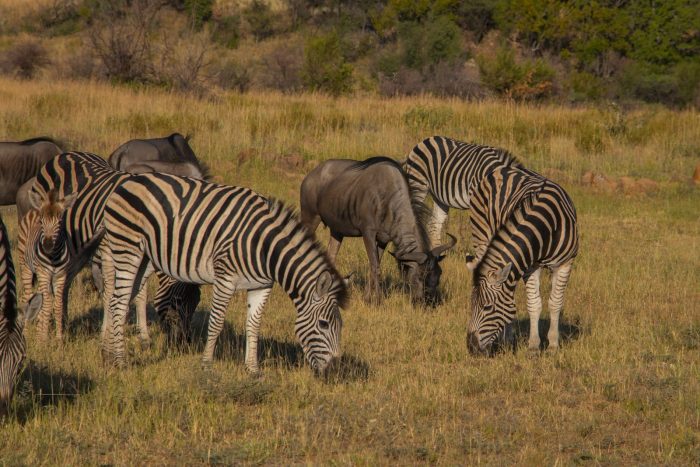
Visiting Pian Upe for Safaris offers a unique opportunity to explore one of Uganda’s largest wildlife reserves. Pian Upe Game Reserve is home to diverse wildlife, including cheetahs, zebras, and elands, alongside over 200 bird species. Visitors can enjoy activities such as game drives, birdwatching, and cultural interactions with local communities. Situated close to Uganda’s northeastern border, Pian Upe also serves as a less-crowded alternative to destinations like Tanzania safaris. Its vast savannahs and rugged landscapes provide an ideal setting for wildlife exploration and photography, making it a hidden gem for nature enthusiasts.
What is Pian Upe and where is it located?
Pian Upe is one of Uganda’s largest wildlife reserves. It is a protected area dedicated to conserving wildlife, plants, and the general natural environment. Covering over 2,000 square kilometers, it is the second-largest wildlife reserve in Uganda, after Murchison Falls National Park. The name “Pian Upe” originates from two local communities: the Pian, who are a subgroup of the Karamoja people, and Upe, a community from the Pokot group.
This reserve is located in the northeastern part of Uganda, in the Karamoja sub-region. Its proximity to Mount Elgon National Park and Kidepo Valley National Park makes it part of a broader network of natural attractions in the region. Pian Upe is characterized by wide open savannahs, dotted with scattered trees and lush valleys. Its elevation and mix of grasslands and rocky outcrops have made it a unique ecosystem within Uganda’s conservation framework.
Pian Upe is not yet as famous as other Ugandan tourist destinations like Queen Elizabeth National Park or Bwindi Impenetrable Forest, but this makes it a relatively quiet, less crowded location for wildlife enthusiasts. Visitors traveling to this reserve will find a place that preserves raw nature and remains relatively untouched by major development, giving it a more authentic feel.
What wildlife can be seen during a safari in Pian Upe?
Pian Upe is home to a diverse variety of animals, making it a fascinating destination for wildlife safaris. The reserve provides a habitat for iconic African species such as zebras, cheetahs, and giraffes. Antelopes, especially elands, the largest type of antelope, are frequently spotted. Other types of antelopes, such as waterbucks, Uganda kobs, and hartebeests, are also found within the reserve.
For birdwatchers, Pian Upe is a paradise. It is home to over 200 bird species, including rare species like the secretary bird, ostrich, and giant eagle owl. For example, the secretary bird is easily recognizable by its long legs and distinct, stork-like appearance. The reserve’s open savannahs also attract predatory birds such as vultures and hawks.
One unique feature of Pian Upe is that it is one of Uganda’s few reserves where cheetahs can be sighted. Although cheetah sightings are rare and require patience, this makes it an even more enticing experience for safari lovers. Other predators in the reserve include leopards and serval cats, though they tend to be more elusive.
Smaller animals like monkeys, baboons, and jackals are commonly seen throughout the reserve. Reptiles, including pythons and several lizard species, inhabit the area too. Combining large mammals, rare birds, and other wildlife, Pian Upe offers something for every nature enthusiast.
When is the best time of year to visit Pian Upe for a safari?
The best time to visit Pian Upe for a safari is during Uganda’s dry seasons. Uganda generally experiences two main dry seasons: one from June to late August and the other in December through February. These periods are ideal because the weather is sunny, and wildlife tends to gather around water sources, making it easier to spot them. Roads within the reserve are also more accessible during the dry seasons, as the wet season can make some areas muddy and harder to navigate.
Planning a trip during the early mornings or late afternoons during these dry months is also beneficial, as wildlife is most active during cooler parts of the day. For instance, animals like antelopes and gazelles can be seen grazing in the early morning hours, while predators may be spotted hunting as the sun sets.
It is possible to visit Pian Upe during the rainy seasons (March to May and September to November), but there are some challenges to consider. Heavy rainfall can make parts of the reserve difficult to access and may reduce your chances of seeing wildlife. However, the wet season also transforms the landscape into lush, green scenery and provides an opportunity to observe migratory bird species in the reserve.
Overall, while the best viewing opportunities occur during the dry seasons, visitors can tailor their visit based on preferences, such as whether they prioritize easier wildlife spotting or a greener environment.
What types of safaris are available in Pian Upe?
Visitors to Pian Upe often have the option to choose from various types of safaris based on their preferences. A typical choice includes vehicle-based safaris, which allow tourists to explore the area with the guidance of a driver or in their own vehicles. These safaris are great for covering larger areas in a relatively short time, making it possible to see more wildlife and diverse landscapes.
If a quieter, more immersive way of exploring the area is preferred, walking safaris are sometimes available. Guided by experts, these walks allow visitors to closely observe animals and plants in their natural habitats while learning about the ecosystem and conservation efforts. It’s an opportunity to feel more connected to nature since the pace is slower and allows for more detailed exploration.
Birdwatching safaris are another option, particularly attractive to enthusiasts who want to study and observe the wide array of bird species that Pian Upe is known for. These safaris generally focus on identifying various species, some of which may be unique to the region.
In some cases, visitors may have access to night safaris, which provide a different perspective on wildlife activity. Since some animals are nocturnal, this offers a chance to witness behaviors that may not occur during the day. It’s an unforgettable way to view the reserve under an entirely different set of conditions.
How do I get to Pian Upe?
Pian Upe Wildlife Reserve is located in northeastern Uganda, and access typically depends on where the journey begins. From Uganda’s capital city, Kampala, it’s approximately a 9 to 10-hour drive by road, covering around 320 kilometers. The most common route involves driving through Jinja and Mbale, then heading towards Moroto District, where the reserve is situated.
For travelers already in the region, such as in Mbale or Soroti, the reserve is much closer and can usually be reached within 3 to 4 hours by road. Vehicles with four-wheel drive are often recommended to navigate some of the rough terrain on the final stretch leading into Pian Upe, especially during the rainy season.
Public transportation options to Pian Upe are generally limited, so most visitors either hire private cars or join group tours that organize transport. Alternatively, some travelers who have hired private guides or registered with safaris companies can rely on these services to arrange all transportation needs.
Are there guided safari tours in Pian Upe, or is it self-guided?
Guided safari tours are widely available in Pian Upe and are often recommended. These tours are typically led by experienced guides who are familiar with the area, its wildlife, and local culture. Guided tours not only increase the likelihood of spotting more animals, but they also provide educational insight into the behaviors and habitats of different species. Local guides can also answer questions about conservation efforts and the history of the region.
Travelers who prefer flexibility and independence tend to go for self-guided safaris. However, it’s worth noting that those embarking on a self-guided trip should ensure they are well-prepared, including having detailed maps, reliable navigation tools, and knowledge of safety protocols within the reserve. Self-guided safaris also require a reliable vehicle, preferably one with four-wheel drive.
Ultimately, the decision between a guided or self-guided safari depends on a traveler’s interests and level of experience in traversing wildlife reserves. Many people who are new to safaris prefer guided options for the additional support and information. On the other hand, experienced visitors sometimes enjoy the adventure of moving around at their own pace.
What activities can be done in Pian Upe besides wildlife safaris?
Pian Upe offers a variety of activities for visitors beyond traditional wildlife safaris. One popular activity is birdwatching. The area is home to over 240 bird species, including ostriches, secretary birds, and Abyssinian ground hornbills. This makes it an excellent destination for bird enthusiasts who want to observe unique and diverse species in their natural habitat.
Nature walks are another option. Guided walks with a ranger allow visitors to explore the area on foot. These walks provide an opportunity to observe plants, insects, and smaller animals up close, and gain a deeper appreciation for the region’s ecosystem. It’s an engaging way to connect with the environment and notice details that might be missed on a game drive.
For those interested in cultural experiences, nearby communities such as the Karamojong offer a glimpse into local traditions and ways of life. Visitors can meet community members, learn about their culture, and even engage in traditional dances or storytelling. This cultural interaction provides a rich and meaningful dimension to a visit.
Some visitors also enjoy hiking in the rugged landscapes of Pian Upe. The natural terrain, including hills and valleys, offers scenic routes for those who enjoy outdoor adventure. Photography is another popular activity, as the region’s diverse wildlife, open savannahs, and dramatic sunsets create stunning photo opportunities.
Finally, stargazing presents a peaceful way to end the day. Pian Upe’s remote location away from light pollution allows visitors to experience a clear night sky filled with stars, making it an unforgettable highlight for nature lovers.
What accommodations are available for visitors near Pian Upe?
Visitors to Pian Upe can choose from a range of accommodations, though options may be more limited compared to larger tourist destinations. Most lodges, campsites, and guesthouses are simple yet comfortable, designed for close proximity to nature.
For those who prefer a more rustic, adventurous experience, camping is a popular choice. Pian Upe offers designated camping areas where visitors can pitch tents. Campsites are basic but usually provide essentials such as fire pits and access to clean water. Camping allows visitors to stay close to the wildlife and enjoy the tranquil surroundings of the reserve.
Lodges and eco-camps located nearby provide more amenities for those seeking comfort. These range from mid-range options to more luxurious accommodations. Lodges often feature en-suite bathrooms, comfortable beds, and dining areas that serve local or international cuisine. Eco-camps typically emphasize sustainability, with features like solar power and eco-friendly materials.
Some visitors may opt to stay in nearby towns or cities, such as Moroto or Mbale, which offer hotels, guesthouses, and inns. These are practical for those who prefer staying outside the reserve or require more comprehensive facilities and services.
Before finalizing any accommodation, travelers should research carefully, as availability and quality can vary widely. Booking in advance, particularly during peak tourist seasons, is also recommended.
Are there any specific rules or precautions visitors should take when visiting Pian Upe?
Visitors to Pian Upe should follow several guidelines to ensure both their safety and the protection of the reserve’s environment. First and foremost, it is important to stay within designated areas and follow marked trails. This minimizes the likelihood of disturbing wildlife or inadvertently entering unsafe zones.
When encountering animals, maintaining a safe distance is critical. While some animals in Pian Upe may seem accustomed to human presence, close interaction may lead to danger, whether from defensive reactions or stress on the animals. Feeding or attempting physical contact with wildlife is strictly discouraged.
Carrying adequate water, sunscreen, a hat, and insect repellent is important, as the region’s climate can be hot and dry. Comfortable clothing and sturdy footwear are also recommended, especially for activities like nature walks.
Visitors should also familiarize themselves with any rules shared by rangers or local guides. For example, fires may only be allowed in specific areas, and loud noises are typically discouraged to maintain the tranquility of the ecosystem.
Travelers concerned about health and safety should seek medical advice before their visit, such as getting any necessary vaccinations or bringing malaria prevention medication, given that some regions in Uganda are at risk.
Another precaution involves respecting the cultural sensitivities of nearby communities. Visitors should seek permission before taking photographs of local people or private property.
Finally, securing permits for certain activities, arranging guided tours in advance, and traveling with a reliable guide can make the experience safer and more enjoyable.
What is the cost of visiting Pian Upe for a safari?
Visiting Pian Upe for a safari involves several costs that can vary based on factors like your travel arrangements, type of safari, and accommodations. Here are the typical expenses broken down to help you understand:
- Park Entrance Fees: The Uganda Wildlife Authority manages Pian Upe Wildlife Reserve, and they charge an entry fee for visitors. As of recent guidelines, foreign non-residents pay around $35 per adult per day. Foreign residents and East African citizens generally pay lower rates.
- Safari Vehicle and Guide: If you are hiring a safari vehicle with a guide, it could cost between $100 to $200 per day depending on the size of the vehicle and the services offered. Shared tours may lower this cost.
- Accommodation: The cost of accommodations near Pian Upe varies depending on whether you choose budget camping, mid-range lodges, or luxury stays. Budget options may cost around $20 to $50 per night, while mid-range or luxury options can go up to $200 per night or more.
- Food and Drinks: Meals are either included in lodges or can be purchased separately. These costs again depend on the type of lodging, budget options may charge $5-$10 for meals, while fancier establishments may include them as a package.
- Transport: If you’re traveling from Kampala or other cities, you’ll need to factor in transportation costs. A hired private vehicle might cost around $200 to $300 round-trip, whereas public buses are more affordable.
- Optional Costs: Some extra activities like guided nature walks or bird-watching tours may involve additional charges of $10 to $50.
Overall, for a short 2-3 day safari, the total cost for a foreign tourist may range from $300 to $700 depending on preferences. Tips for guides or service staff may also add to the overall expense.
How long should one plan to stay in Pian Upe for an optimal safari experience?
The ideal length of stay in Pian Upe often depends on what you want to achieve during your visit, but typically, two to three days is recommended. Here’s why this duration works well:
- Day One: Arrival and Initial Exploration On the first day, you will likely spend time traveling to the reserve since it is about a 6-7 hour drive from Kampala. Upon arrival, you can check into your accommodation, rest, and possibly enjoy a short guided evening drive to spot some wildlife and get acquainted with the area.
- Day Two: Full Safari Experience The second day is for a more immersive safari drive. Early morning is one of the best times to spot active animals as they come out to search for food and water. You can explore the grasslands and savannahs, observing animals such as zebras, antelopes, ostriches, giraffes, and even carnivores like cheetahs. Midday can be reserved for relaxing at your accommodation or engaging in optional activities like bird watching or guided nature walks.
- Day Three: Wrap-Up and Departure On your third day, you could opt for another short morning safari drive focusing on specific areas of interest or animals that may not have been spotted earlier. Afterward, you’d prepare to leave for your next destination.
A one-day trip to the reserve is possible if you’re short on time, but it’s not ideal as it limits your chances to see rare animals or enjoy the serene beauty of the area. On the other hand, if you’re passionate about wildlife photography or bird watching, staying for four or more days might allow a more detailed exploration.
This 2-3 day timeline provides a balanced mix of exploration, relaxation, and travel without feeling rushed or overwhelmed, making it manageable for most visitors.
Is Pian Upe safe for tourists?
Yes, Pian Upe is considered safe for tourists, provided basic guidelines are followed to ensure a trouble-free visit. Here are some factors that contribute to its safety:
- Wildlife and Ranger-Guided Safaris: While the reserve is home to predators like cheetahs, these animals typically avoid humans and pose little risk during safari drives. Guided tours led by trained rangers ensure that you maintain a safe distance from all wildlife and follow appropriate safety measures.
- Security Measures: The Uganda Wildlife Authority maintains oversight of the reserve, ensuring that visitors are well-protected. The staff is experienced in handling tourist needs and emergencies, if any arise.
- Road Safety: The roads to Pian Upe are generally accessible with a sturdy vehicle, although some sections may become challenging during the rainy season. It is advised to travel with a reliable mode of transport and a knowledgeable driver to avoid delays or breakdowns.
- Health and Precautions: There are basic healthcare considerations that tourists should take into account. These include vaccinations like yellow fever and carrying malaria prophylaxis medication if needed. Bringing sufficient water, sunscreen, and insect repellent is also important as the reserve has a hot and arid climate.
- Cultural Interactions: The area surrounding Pian Upe is home to friendly local communities. Tourists should respect local customs and traditions, but encounters with local people are generally welcoming and pose no risks.
- Timing of Visit: Avoiding visits late in the day or during bad weather is advisable for safety, as poor visibility or unpredictable conditions can make it harder to navigate.
As long as visitors adhere to park regulations, follow the advice of their guides, and respect wildlife, Pian Upe is a safe and rewarding destination for safari enthusiasts. Preparing ahead of time with essential supplies and mindful planning only enhances the experience.
How To Book Your Uganda Safari
By now, you’ve got a clear idea of what makes Pian Upe a hidden gem, how to experience its magic, and why it’s worth adding to your safari bucket list. Ready to see it for yourself? Partnering with experts ensures a hassle-free and unforgettable adventure. So why wait? Click here now to connect with the best safari companies in Tanzania and start planning your dream safari today! Your unforgettable journey to the wild awaits!