What I Wish I Knew Before Visiting Uganda For Safari
The first time I heard Uganda described as the “Pearl of Africa,” I honestly did not know what to expect. I had booked a gorilla trekking permit months in advance on the advice of a friend, and I arrived in Entebbe with a vague idea that I was about to do something special. What I was completely unprepared for was how physically demanding the trek would be, how long the drives between parks would take, how strict the entry requirements are, and how deeply the whole experience would affect me.
I remember standing in the forest at Bwindi at dawn, heart pounding, completely out of breath after two hours of climbing through dense undergrowth, when our tracker suddenly stopped and pointed silently into the trees. There they were. A silverback, enormous and perfectly calm, sitting not ten metres away. I could not speak. I could not move. That one hour I spent with that gorilla family changed something in me permanently. But there were things I really wish someone had told me before I got on the plane. Practical things, logistical things, things that would have made the trip smoother, safer, and even more rewarding. That is what this guide is for.
Inside This Guide
- Where is Uganda and how to get there
- The gorilla permit: what nobody tells you
- Visa and entry requirements in 2026
- Health, vaccinations and malaria
- When is the best time to visit Uganda for a safari
- Where to go in Uganda: the best national parks
- What first-timers get wrong about Uganda’s roads
- Is Uganda expensive to visit?
- What to pack for a Uganda safari
- Must-see wild animals in Uganda
- Top tips for staying safe on safari
- How to choose a reputable tour operator
- FAQs
WHERE IS UGANDA AND HOW TO GET THERE?
Uganda is a landlocked country in East Africa, sitting just north of the equator and bordered by Kenya to the east, Tanzania and Rwanda to the south, the Democratic Republic of Congo to the west, and South Sudan to the north. It covers approximately 241,000 square kilometres and holds more than half of the world’s remaining mountain gorilla population, a fact that alone makes it one of the most significant wildlife destinations on the planet.
The main international gateway is Entebbe International Airport (EBB), located on the northern shore of Lake Victoria about 40 kilometres southwest of Kampala. In 2026, direct flights from London to Entebbe are now available through Uganda Airlines, which is welcome news for British travellers. Connections from other major hubs including Amsterdam, Dubai, Nairobi, Addis Ababa, and Johannesburg are all well established. If you cannot find a direct flight, flying into Nairobi and connecting onward to Entebbe is a reliable alternative, the crossing takes under an hour by air.
Once you arrive at Entebbe, most first-time visitors spend a night nearby before heading out on their safari circuit. The airport immigration process typically takes between 45 minutes and two hours depending on flight timing, so landing in the evening and heading to a lodge in Entebbe or on the outskirts of Kampala is the sensible plan before any long road transfer begins the following morning.
THE GORILLA PERMIT: WHAT NOBODY TELLS YOU
I cannot stress this enough: booking your gorilla trekking permit is the very first thing you need to do when planning a Uganda safari. Before you book flights. Before you choose a lodge. Before anything else. This is the detail that catches almost every first-time visitor off guard, and the one I wish someone had hammered home to me far earlier in the planning process.
Here is the reality. Only eight people are allowed to visit any given gorilla family per day. Uganda has a limited number of habituated family groups across Bwindi Impenetrable National Park and Mgahinga Gorilla National Park. During the peak dry season months of June through September and December through February, permits sell out four to six months in advance. In 2026, a standard gorilla trekking permit costs $800 per person for foreign non-residents. This covers a single one-hour visit with a habituated gorilla family and includes the park entry fee for the day.
If you want the deeper experience, the Gorilla Habituation Experience is a four-hour visit with a family still being acclimatised to human presence. This costs $1,500 per person and is limited to just four people per day in specific sectors. Permits for the habituation experience can require up to twelve months of advance booking. Importantly, you cannot purchase these permits yourself. They are issued by the Uganda Wildlife Authority exclusively to licensed Ugandan tour operators, which is one of the core reasons why choosing a reputable local operator matters so much.
VISA AND ENTRY REQUIREMENTS IN 2026
Uganda completed its transition to a fully online e-visa system in 2026, and this is a change that every traveller needs to understand before they book. Visas are no longer issued upon arrival at Entebbe Airport. If you arrive without a pre-approved e-visa, you will be refused entry. There are no exceptions. Apply through the official Directorate of Citizenship and Immigration portal at least two to three weeks before your departure date.
A single-entry Uganda tourist visa costs $50 USD. If you are combining Uganda with Kenya and Rwanda, the East African Tourist Visa at $100 USD covers all three countries under one application and is the better option. The most common reasons for rejection are poor-quality passport photographs and incomplete forms, so review both carefully before submitting.
Your passport must have at least six months of validity from your date of entry and at least one blank page available for stamps. Children require their own individual passports regardless of age. I would strongly recommend saving digital copies of all your travel documents to cloud storage before you fly, it is a small precaution that provides significant peace of mind if anything goes missing on the road.
HEALTH, VACCINATIONS AND MALARIA
This is one of the most important sections of this guide and the one I personally wish I had taken more seriously before my first Uganda trip. Visit a travel clinic at least six to eight weeks before departure and get your health preparation sorted properly. Do not leave this until the last few days before you fly.
The yellow fever vaccination certificate, the Yellow Card, is a mandatory entry requirement for all travellers aged one year and above. Health officials check for it at Entebbe Airport before you even reach the immigration queue. Without it, you will not enter Uganda. The vaccine must be administered at least ten days before your arrival date to be valid, and the certificate is now recognised as valid for life, so once you have it, you have it permanently. The cost at a travel clinic is approximately $150 to $250 depending on your location.
Malaria is present across Uganda year-round and is a genuine concern for safari visitors. The risk is higher in the lower-altitude savannah parks like Murchison Falls and Queen Elizabeth, and somewhat lower in the high-altitude forests around Bwindi at approximately 2,200 metres above sea level. Your travel clinic will advise you on the right prophylaxis for your specific itinerary. Beyond malaria, vaccinations commonly recommended for Uganda include Hepatitis A and B, typhoid, tetanus, polio, and rabies for those heading to remote areas.
I also wish someone had warned me about food and water. Everything you eat in Uganda’s remote safari areas should ideally be piping hot. Cold foods and anything washed with tap water carry risk in remote regions. Always drink bottled water and never use tap water or drinks with ice unless you are confident of the source. It is a simple rule that will keep you healthy throughout the trip.
WHEN IS THE BEST TIME TO VISIT UGANDA FOR A SAFARI?
Uganda is a year-round safari destination, but timing your visit carefully has a real impact on your experience, particularly for gorilla trekking. There are two dry seasons and two wet seasons, each with their own distinct character, and knowing the difference before you book will save you from frustration on the ground.
I have visited Uganda in both the dry season and during a transitional period. My dry-season visit in July was ideal for gorilla trekking, the trails in Bwindi were firm underfoot, the sky above the forest ridge was clear, and we found our gorilla family within ninety minutes of setting out. My later visit in early October was muddier and more physically demanding, but the forest was an extraordinary deep green and we had the entire game drive circuit in Queen Elizabeth almost to ourselves. Both trips were worth every moment.
June to September is the long dry season and the most popular time to visit. Gorilla trekking trails in Bwindi are at their most comfortable, wildlife in Queen Elizabeth and Murchison Falls congregates around water sources, and game drive visibility is excellent. This is when demand for permits and lodges peaks, so booking early is absolutely essential, not just advisable.
December to February is the shorter dry season and the second most popular window. Conditions are good for trekking and game viewing. The Christmas and New Year period brings very high demand for gorilla permits, so if you are planning a festive Uganda safari, begin your planning at least nine months in advance.
March to May brings the heavy rains. Trails in Bwindi become steep and slippery, and some inter-park roads can become challenging to navigate. This is, however, the finest time for birdwatching, Uganda holds over 1,000 bird species and the wet season draws migratory species and fills the forests with a vivid green that photographers love. Lodge rates drop markedly during this period, making it worth considering for travellers with flexibility.
September to November is a transitional period with moderate rainfall and fewer international visitors than peak season. Wildlife is present across all parks, and the relative quietness of the safari circuits makes for a more personal experience on game drives.
WHERE TO GO IN UGANDA: THE BEST NATIONAL PARKS
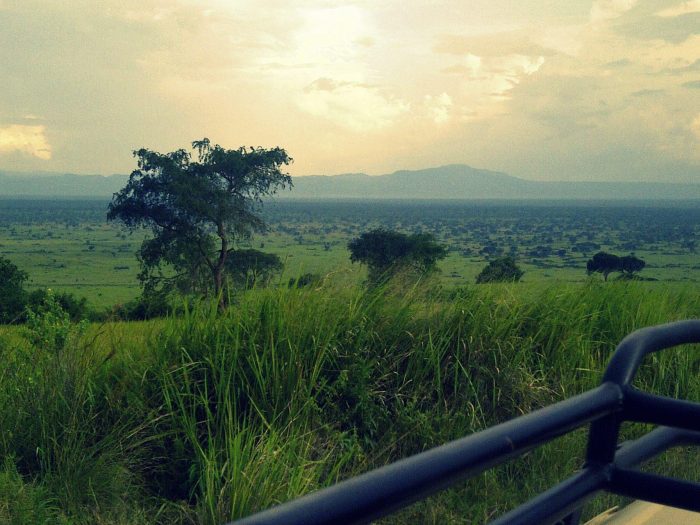
Uganda has ten national parks managed by the Uganda Wildlife Authority, and deciding which ones to include in your itinerary is one of the most enjoyable parts of the planning process. To make things simple, I have divided Uganda’s parks by experience type so you can match the right destinations to what matters most to you.
For Gorilla Trekking
Bwindi Impenetrable National Park in the southwest is the primary gorilla trekking destination in Uganda and one of the most significant wildlife sites in the world. It has multiple trekking sectors, Buhoma, Ruhija, Rushaga, and Nkuringo, each with different terrain and different habituated gorilla families. Bwindi is a UNESCO World Heritage Site sitting at elevations between 1,160 and 2,600 metres, with a cool, misty, ancient forest atmosphere unlike anything else in East Africa.
Mgahinga Gorilla National Park is a smaller park in the far southwest that shares its gorilla population with Rwanda’s Volcanoes National Park across the border. It is quieter and less visited than Bwindi, offering a more intimate trekking experience, though permit availability can be more limited as only one gorilla family is consistently habituated on the Ugandan side. Golden monkey tracking is also available here on a separate permit.
For Classic Game Drives
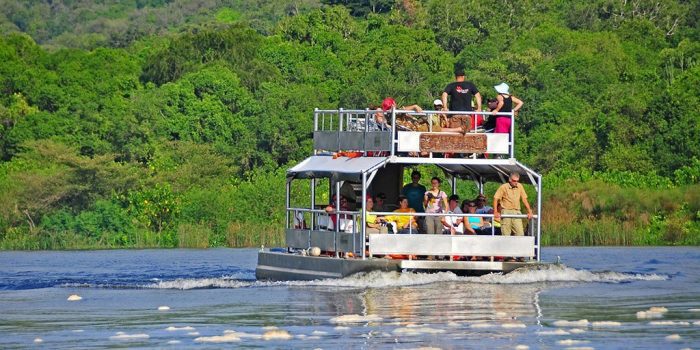
Murchison Falls National Park in the northwest is Uganda’s largest and oldest protected area, spanning 3,890 square kilometres and straddling the Victoria Nile. Lions, elephants, buffaloes, leopards, giraffes, and enormous crocodiles all call this park home. The boat cruise up the Nile to the base of the falls, where the entire river squeezes through a seven-metre gorge and drops 43 metres in a thunderous cascade, is one of the great wildlife experiences in Africa. I strongly recommend stopping at Ziwa Rhino Sanctuary on your way to Murchison, where you can track wild white rhinos on foot with armed rangers, the only place in Uganda where this is possible.
Queen Elizabeth National Park is Uganda’s most visited game park, spanning savannahs, wetlands, crater lakes, and tropical forests and home to 95 mammal species and over 600 bird species. The famous Ishasha sector in the south of the park is one of only two places in the world where lions habitually climb fig trees, draping themselves across branches during the heat of the afternoon in a sight that regularly stops visitors cold. The Kazinga Channel boat safari is another unmissable experience, you drift at water level past enormous hippo pods, crocodiles, and dense colonies of waterbirds.
For Chimpanzees and Primates
Kibale Forest National Park holds the highest density of primates in the world and is the best place in East Africa to track chimpanzees. A chimpanzee tracking permit costs $250 per person in 2026. The forest is also home to red-tailed monkeys, grey-cheeked mangabeys, olive baboons, and the rare L’Hoest’s monkey, primates you will not find in the open savannah parks.
For Remote, Crowd-Free Adventure
Kidepo Valley National Park in Uganda’s far northeast is the closest thing this country has to a true wilderness frontier. It has been ranked among the top ten safari parks in Africa in 2026 for its remote character, massive buffalo herds, and the fact that you can spend entire days on a game drive without seeing another vehicle. Getting there is a genuine commitment, a very long drive from Kampala or a charter flight, but visitors who make that journey consistently describe it as the most raw and authentic safari experience in Uganda.
WHAT FIRST-TIMERS GET WRONG ABOUT UGANDA’S ROADS
This is the piece of knowledge I most wish I had before my first Uganda safari, and the advice I now give most emphatically to anyone planning their trip. Uganda looks compact on a map. It is not. Road transfer times between parks are consistently two to three times longer than any digital mapping tool will tell you, and this reality has the power to wreck an itinerary that looks perfectly sensible on paper.
The drive from Kampala to Bwindi Impenetrable National Park takes between eight and ten hours on roads that wind through steep, hilly, and often unpaved terrain in the southwest. The journey between Kibale Forest and Queen Elizabeth is around three hours. Reaching Kidepo Valley from Kampala is a full day of driving in each direction. I have met travellers who planned a five-day Uganda itinerary covering three or four parks and arrived at each destination too exhausted to properly enjoy any of it. Do not make that mistake.
A minimum of eight to ten days is my strong recommendation for a first Uganda safari. A well-paced circuit covering Murchison Falls, Kibale Forest, and Bwindi works beautifully within ten days and leaves you genuinely energised at each stop. For travellers with limited time, domestic charter flights operated by AeroLink and Bar Aviation connect Entebbe to airstrips near all the major parks. A one-way charter from Entebbe to Bwindi costs approximately $350 per person and saves a full day of driving each way. It is money very well spent if your schedule is tight.
One more point that is non-negotiable: all park roads and the tracks leading to them require a proper 4WD safari vehicle with adequate ground clearance. Saloon cars and standard two-wheel drive vehicles are not suitable and may be turned back at park gates. Every reputable local operator runs a fleet of proper 4WD Land Cruisers. Confirm this before you book with anyone.
IS UGANDA EXPENSIVE TO VISIT?
Uganda is not a cheap safari destination. The gorilla permit alone at $800 per person makes it one of the pricier first safari experiences in East Africa. That said, Uganda is considerably more affordable than Rwanda for an equivalent gorilla trekking trip, and the breadth of what you can experience across ten days, gorillas, chimpanzees, tree-climbing lions, Nile boat safaris, and the Shoebill stork, represents genuine value for the quality of wildlife on offer.
When I first started researching Uganda safaris, I was surprised by the total cost. But once I understood where the money goes, into conservation, ranger salaries, community benefit programmes, and the infrastructure that protects the habituated gorilla families, I felt entirely differently about it. The permit price directly funds the Uganda Wildlife Authority’s work on the ground, and without that funding, the habituation programmes would not exist.
Gorilla Habituation Experience (4 hours, max 4 people): $1,500 per person
Chimpanzee Tracking, Kibale Forest: $250 per person
Murchison Falls Park Entry: $45 per person per day
Queen Elizabeth Park Entry: $40 per person per day
Safari 4WD with driver-guide: $150 to $200 per day
Charter flight Entebbe to Bwindi (one way): ~$350 per person
Budget lodge outside park: $80 to $150 per night
Mid-range tented camp: $200 to $400 per night
Luxury lodge inside park: $500 per night and above
Single-entry Uganda e-visa: $50 USD
Guide tipping: $10 to $15 per person per day
Private safaris offer considerably better value than group tours for Uganda specifically, because the flexibility to control your timing, pace, and park circuit around the gorilla trek day makes a significant difference to the quality of the experience. Private safaris typically start at around $400 per person per day as a baseline figure, rising with accommodation quality. For families and groups of friends, sharing a private vehicle and splitting the daily vehicle cost makes this tier very accessible.
One practical financial tip I learned the hard way: bring US Dollar notes printed after 2009. Local forex bureaus routinely reject older bills and any notes that are torn, stamped, or visibly wrinkled. This catches a significant number of first-time visitors off guard, particularly Americans who pull notes from an old travel stash. Check your bills before you leave home.
WHAT TO PACK FOR A UGANDA SAFARI
Packing for Uganda is more specific than for a standard East African safari, almost entirely because of the gorilla trekking component. The forest environment at Bwindi is steep, muddy, wet, and cool, it is nothing like the open savannah experience at Murchison Falls or Queen Elizabeth, and your gear needs to reflect that difference.
Here are the items I consider genuinely essential, based on what made the biggest difference on my own treks:
- Waterproof, ankle-supporting hiking boots, the single most important item you will pack. A deep lug sole prevents slipping on steep muddy terrain. Break them in thoroughly before you travel; blisters on a six-hour Bwindi trek are a serious problem that ruins the entire experience.
- Lightweight gardening gloves, almost nobody brings these and almost everyone wishes they had. They protect your hands from stinging nettles and thorny vines when gripping vegetation on steep sections of trail. Buy them before you leave home rather than relying on finding them in Kampala.
- Packable waterproof rain jacket with hood, Bwindi is a rainforest. Rain can come at any time of year and often without warning. A waterproof jacket is not optional gear here; it is a necessity.
- Long-sleeved shirts and long trousers in dark, earthy colours, khaki, green, and brown are ideal. Camouflage clothing is prohibited by law in Uganda. Do not wear black or navy, as these colours attract tsetse flies.
- Long hiking socks, pull your trouser hems down over the top of your socks before entering the forest. This single action closes the most common entry point for safari ants, which are tiny, numerous, and bite with impressive determination.
- Face mask, required by law during your time with the gorilla family. Mountain gorillas are highly susceptible to human respiratory diseases. Pack at least two or three masks per trek day.
- High-DEET insect repellent, essential in all park environments across Uganda. Apply to exposed skin before any outdoor activity, particularly from dusk onwards.
- Soft-sided duffel bag, domestic charter flights have strict baggage limits (typically 15 kg checked, 5 kg carry-on) and require soft-sided bags. Hard-shell suitcases cannot be loaded onto small bush planes. This is not flexible.
- Universal plug adapter, Uganda uses Type G plugs (the UK three-pin standard) at 240V and 50Hz. Visitors from North America and much of Europe will need an adapter.
- Portable power bank, electricity in remote lodges can be solar-dependent and limited to certain hours. A good power bank keeps your camera and phone charged through long game drive days.
- Energy bars and adequate water, a gorilla trek can last anywhere from thirty minutes to eight hours. Carry enough food and water to sustain yourself for a full day regardless of what your operator tells you about average trek durations.
MUST-SEE WILD ANIMALS IN UGANDA
Uganda’s wildlife is extraordinary for such a compact country, spanning mountain gorillas in ancient rainforests, classic Big Game on open savannahs, and over 1,000 bird species across wildly varied ecosystems. It is one of the only places in the world where you can trek to see mountain gorillas in the morning and watch tree-climbing lions on a game drive the same week. Here is a guide to the key species and where to find them.
Primates
- Mountain Gorilla, found only in Bwindi Impenetrable National Park and Mgahinga Gorilla National Park. Uganda holds more than half the world’s remaining population of around 1,000 individuals. Sightings during permitted treks are not guaranteed but success rates are consistently high because rangers track the family’s location at dawn before the trekking group departs.
- Chimpanzee, best experienced in Kibale Forest National Park, which holds the highest density of chimpanzees in East Africa. Also present in Budongo Forest within Murchison Falls and in Kyambura Gorge within Queen Elizabeth National Park.
- Red-tailed Monkey, one of the most commonly spotted primates in Kibale Forest, easily identified by the white spot on its nose and the vivid copper-coloured tail from which it takes its name.
- Golden Monkey, a bamboo-feeding primate found only in Mgahinga Gorilla National Park on the Ugandan side. A separate permit is required, the trek is shorter and less strenuous than gorilla trekking, and encounters are very rewarding.
- Black-and-White Colobus, a large, striking monkey with a long white mantle and dramatic black-and-white colouring. Found in forested areas including Bwindi and Kibale and commonly seen from lodge terraces in both parks.
- Olive Baboon, widespread across most savannah parks. Entertaining to observe but persistent around lodge perimeters, keep food and belongings secured at all times.
Classic Big Game
- African Lion, present in both Murchison Falls and Queen Elizabeth National Parks. The Ishasha sector of Queen Elizabeth is one of only two places in the world where lions regularly climb fig trees, an extraordinary behaviour that makes this sector a must-visit. Sightings in the tree canopy during midday game drives are common but not guaranteed.
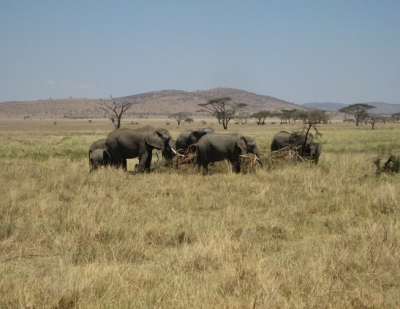
- African Elephant, seen regularly throughout Murchison Falls and Queen Elizabeth. Uganda’s elephant population is substantial and encounters during game drives are frequent, often at very close range.
- Cape Buffalo, present in all major savannah parks in large herds. Considered by many experienced guides to be the most dangerous animal in Africa to encounter on foot. On a game drive, however, watching a large herd move across open grassland is one of the classic Uganda safari experiences.
- Leopard, present in both Murchison Falls and Queen Elizabeth but genuinely elusive. Leopard sightings should always be treated as a bonus rather than an expectation. If you do see one, particularly at dusk draped across a branch above a dry riverbed, you will understand immediately why people come back to Uganda again and again.
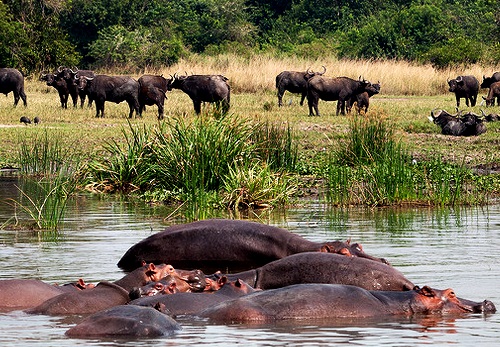
- Hippo, seen in enormous numbers on both the Kazinga Channel boat safari in Queen Elizabeth and the Nile boat cruise in Murchison Falls. Uganda’s hippo populations are among the densest in Africa; close-range encounters from the water are a given rather than a highlight.
- Rothschild’s Giraffe, found in Murchison Falls National Park. One of the rarest giraffe subspecies in the world, with an active translocation and conservation programme based in the park that has dramatically increased their numbers in recent years.
- White Rhinoceros, only found at Ziwa Rhino Sanctuary, a private conservation area on the road to Murchison Falls. This is the only place in Uganda where you can track wild white rhinos on foot accompanied by armed rangers. A morning spent at Ziwa is well worth the detour.
Birds
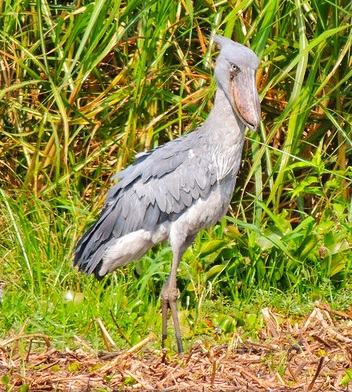
Uganda is one of Africa’s finest birding destinations with over 1,000 recorded species. The most sought-after is the Shoebill Stork, a prehistoric-looking bird found in the papyrus swamps around Lake Victoria and the Nile delta area within Murchison Falls National Park. Seeing a Shoebill in the wild is considered one of the great wildlife achievements in East Africa. Other highlights include the Grey Crowned Crane (Uganda’s national bird), the Great Blue Turaco, the African Fish Eagle, the African Green Broadbill in Bwindi’s forests, and a remarkable diversity of sunbirds, hornbills, and kingfishers across every ecosystem in the country.
TOP TIPS FOR STAYING SAFE ON YOUR UGANDA SAFARI
Uganda is widely regarded as one of the safest safari destinations in East Africa, and the national parks operate under strong, well-funded security managed by the Uganda Wildlife Authority. That said, there are practical safety considerations every visitor needs to understand before they travel, and some of them are not obvious from brochures or booking websites.
Road safety is your primary practical concern, not crime, not wildlife, not political instability. The roads between Uganda’s national parks can be steep, unpaved, and demanding in ways that take first-time visitors completely by surprise. The most serious incidents on Uganda safaris are road-related. All transfers should happen exclusively during daylight hours. Never accept road travel between parks after dark, regardless of what any operator proposes. A strict daylight-only driving policy from your safari company is the single most important safety measure available to you.
Wildlife safety inside the parks is managed by experienced rangers and guides with decades of combined knowledge. You will never be permitted out of your vehicle during a game drive except at designated safe areas. Gorilla treks maintain a mandatory seven-metre distance from the animals at all times, and your guide carries a radio with direct park emergency protocols. Wildlife attacks on tourists in Uganda are extremely rare and almost exclusively occur when rules are broken. Follow your guide precisely and you will be perfectly safe.
In urban areas, Kampala, Entebbe, and around busy tourist stops, standard precautions apply. Petty crime including pickpocketing, bag snatching, and overcharging can occur in these environments. Keep valuables out of sight, do not walk alone after dark in unfamiliar areas, and use transport arranged through your operator or hotel rather than unmarked vehicles. Once you are inside the parks, these concerns are essentially irrelevant.
Food and water safety throughout your trip is worth taking seriously. Stick to bottled water everywhere, avoid cold foods and raw salads in remote safari areas, and apply insect repellent every evening regardless of how comfortable the lodge terrace feels. A compact first aid kit with rehydration salts, antiseptic, and any prescription medication you require is worth carrying in your daypack.
HOW TO CHOOSE A REPUTABLE TOUR OPERATOR IN UGANDA
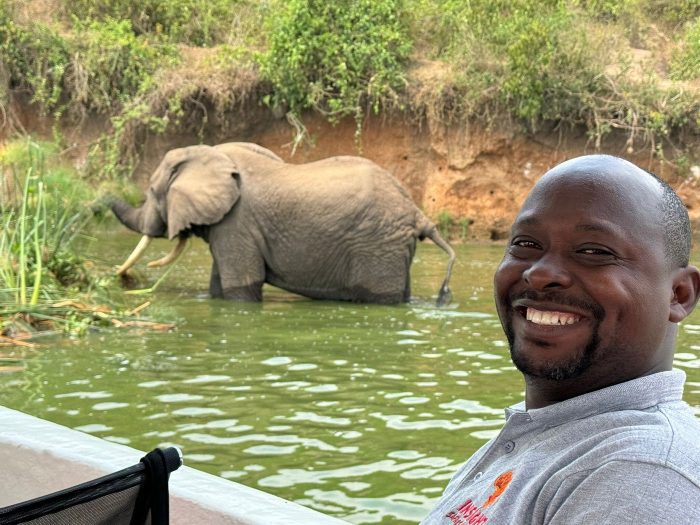
Choosing the right tour operator for a Uganda safari is one of the most consequential decisions you will make during the planning process, and it matters considerably more here than in many other safari destinations. Your operator is not just organising logistics, they are your primary interface with the Uganda Wildlife Authority, your gorilla permit guarantor, and your on-the-ground support for anything that goes sideways during the trip.
I would always recommend booking with a locally based, licensed Ugandan tour operator rather than routing your booking through an international travel agency that then subcontracts everything to a local company anyway. International intermediaries typically add 20 to 40 percent above the actual cost of your safari without providing meaningful additional value. A direct relationship with a Ugandan operator means better pricing, faster and clearer communication, and a team with current, on-the-ground knowledge of park conditions, road access, permit availability, and which sectors of Bwindi are performing best in a given season, knowledge that no overseas desk agent can replicate.
When evaluating operators, I look at four things above all others:
Reviews. Read them carefully and in volume. Look for comments about guide quality, vehicle condition, how the company handled things when something went wrong, and whether the trip delivered what was promised. TripAdvisor and Google reviews are both worth combing through in detail.
Guide quality. Ask specifically about the guides assigned to your itinerary. Are any of them specialists in birding, big cats, or primate behaviour? Can they provide a guide with experience working with children if you are travelling as a family? A great guide is the difference between a good Uganda safari and one you will spend years trying to describe to people who were not there.
Vehicle fleet. Ask for photographs of the vehicles used and confirm they are proper 4WD models with pop-up roofs for game drives, adequate ground clearance for park roads, and a current maintenance schedule. Do not accept vague reassurances. Uganda’s terrain demands capable vehicles and a breakdown on a remote park track is a situation you want to avoid entirely.
Responsiveness and personal care. How quickly does the company reply to your initial enquiry? Do they take genuine time to understand your specific interests, travel dates, group composition, and fitness levels, or do they send a generic package? Booking a Uganda safari is a significant financial investment, and the quality of care you receive during planning is almost always a reliable indicator of what you will experience on the ground.
FAQS
How far in advance should I book a Uganda gorilla safari?
For peak dry season travel in June through September and December through February, book four to six months in advance at an absolute minimum, and earlier if your dates are fixed. For the Gorilla Habituation Experience, which limits groups to four people and is consistently in very high demand, twelve months of lead time is standard practice. For the wet season months of March to May and October to November, two to three months is generally sufficient, though popular trekking sectors in Bwindi can still sell out even during low season.
Is Uganda safe to visit for safari in 2026?
Yes. Uganda’s national parks are confirmed at Status Green by the Uganda Wildlife Authority and Uganda Tourism Board as of 2026. All major safari circuits including Bwindi, Queen Elizabeth, and Murchison Falls are well-managed and located far from any border tension areas in the north and west of the country. Following Uganda’s January 2026 general election, the Uganda Tourism Board confirmed that all tourism corridors remain fully open and unaffected. Road safety between parks is the primary practical concern for visitors, and it is managed effectively by choosing a reputable operator with a daylight-only driving policy.
What level of fitness is needed for gorilla trekking?
A reasonable level of general fitness is required. Gorilla treks in Bwindi can last anywhere from thirty minutes to eight hours of walking on steep, muddy, and uneven forest terrain at elevations between 1,160 and 2,600 metres. You do not need to be a seasoned hiker, but you should be comfortable walking uphill for several hours and confident on uneven ground. Porters available at the trailhead for around $15 to $20 are recommended for anyone uncertain about the physical demands. Ranger teams typically assign trekking groups to gorilla families partly based on fitness level, so those with mobility concerns are often placed with families that require shorter approaches.
Can I combine Uganda and Rwanda in the same trip?
Absolutely, and this combination is very popular. Many travellers pair gorilla trekking in Bwindi with a second gorilla trek or golden monkey tracking in Volcanoes National Park across the border in Rwanda. The drive between Kisoro in Uganda and Musanze in Rwanda takes approximately two to three hours and the border crossing is straightforward. The East African Tourist Visa at $100 USD covers both countries under a single application, simplifying the logistics considerably.
When is the worst time to visit Uganda for a safari?
March to May is the heaviest rainfall period and the most challenging time for gorilla trekking specifically, due to slippery steep trails and some access road difficulties in the southwest. That said, Uganda does not have a month where safari activities are entirely impractical. Birdwatchers actively prefer the wet season. Game viewing in the savannah parks is rewarding year-round. The key is to match the season to your specific activity priorities rather than avoiding Uganda outright during any particular window.
Do I need to tip my safari guide and gorilla trek porters?
Tipping is not mandatory but is a meaningful and appreciated contribution. The standard expectation for safari guides is $10 to $15 per person per day, with an additional communal amount for drivers, cooks, and camp staff. Porter tips for gorilla treks are typically $15 to $20 per trek. The gorilla trackers and rangers who go out before dawn to locate the family’s position before your trekking group departs can also be tipped separately, $10 per person is appreciated and goes directly to the conservation workers who make the experience possible.
Uganda is the kind of destination that changes the way you think about wildlife travel. There is nothing quite like standing in an ancient rainforest and making eye contact with a mountain gorilla, and nothing quite as satisfying as having planned the trip well enough to fully appreciate that moment when it arrives. I hope this guide helps you get there prepared.
Uganda Safari Packages 2026, Safaris in Uganda
We list Uganda safari packages with prices. These safari itineraries are provided by the best safari companies in Uganda. Among the top Uganda safaris tours include gorilla trekking of over 450 of these endangered apes, over 1000 bird species, 330 mammals and different primate species in the 10 National Parks.
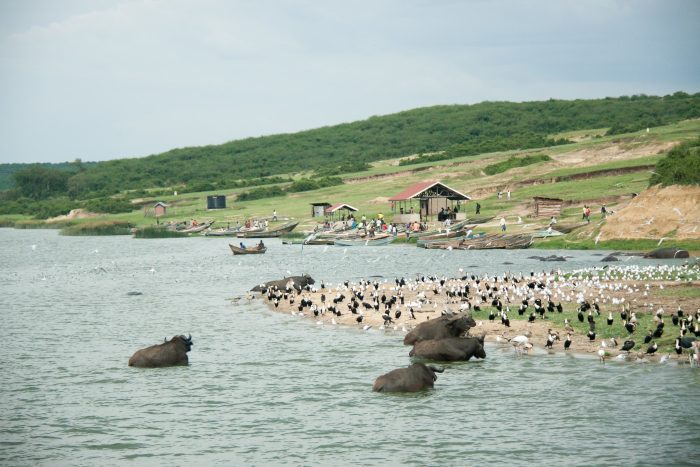 From $4,500
10 Day Uganda Safari, Wildlife and Nature
Average Cost of 10 Day Safari in Uganda Budget 10‑day Uganda Wildlife and Nature safaris typically cost between US $2,800 and US $3,500 per…
View Package →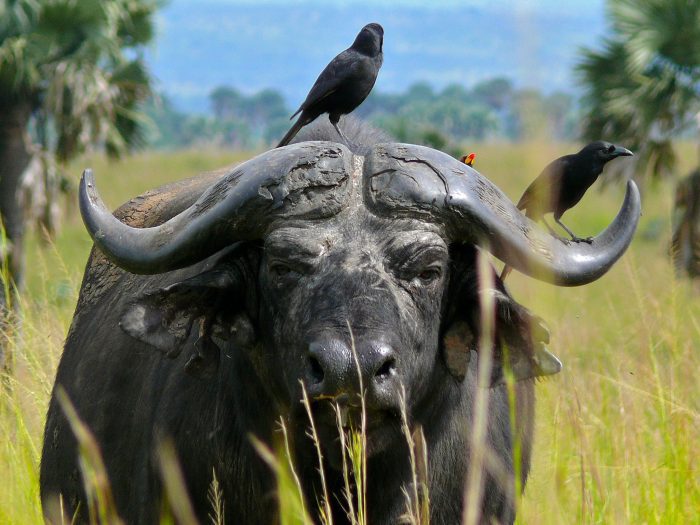 From $3,800
11 Days Uganda Gorilla and Wildlife Safari
This 11 Day Safari takes you to Uganda’s largest National Park – the Murchison Falls National Park through which the great River…
View Package →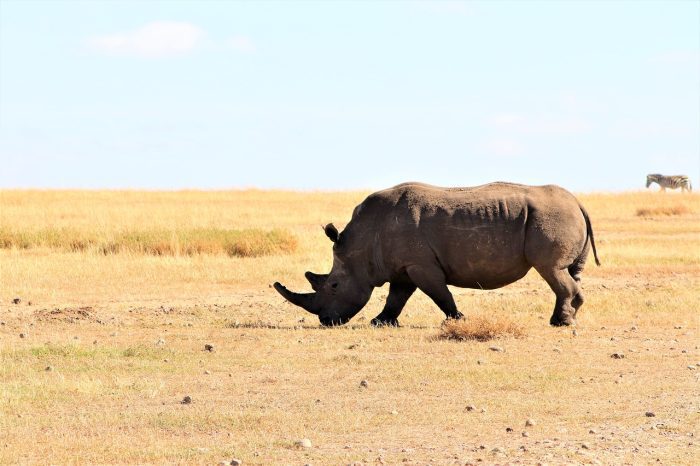 From $3,800
12 Days Uganda Primates and Wildlife Safari
This 12-day Safari in Uganda offers you the best of Uganda rich wildlife abundance, beautiful scenery and a unique cultural experiences. You…
View Package →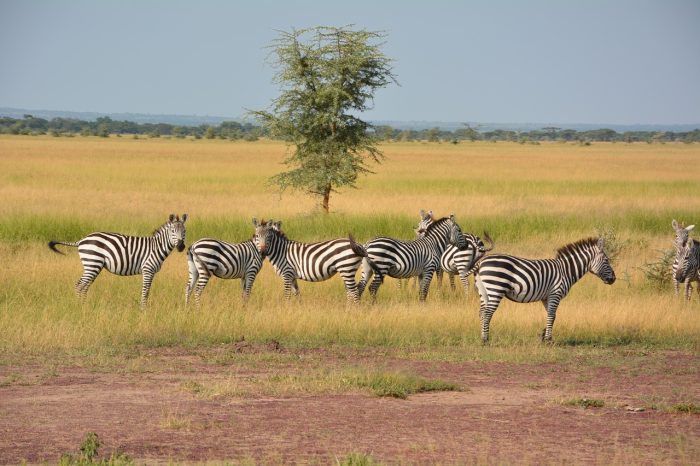 From $4,300
13 Days Uganda and Rwanda Gorilla Wildlife Safari
This 13 Day Uganda and Rwanda Gorilla Wildlife Safari gives you total encounter of the amazing wildlife in Uganda – the Pearl…
View Package →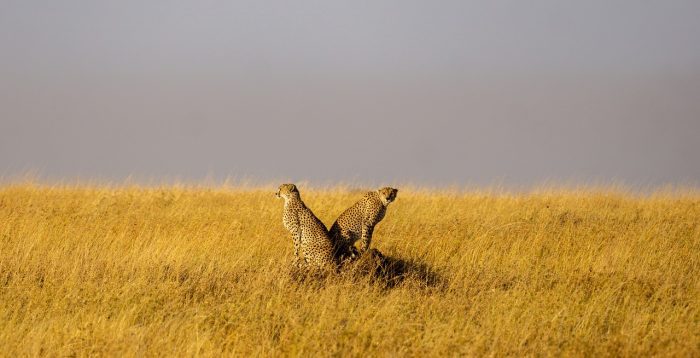 From $4,000
14 Days Best of Uganda Safari
This 14 Days Best of Uganda Safari takes you to Ngamba Islands home of the rescued and orphaned chimpanzees found on Lake…
View Package →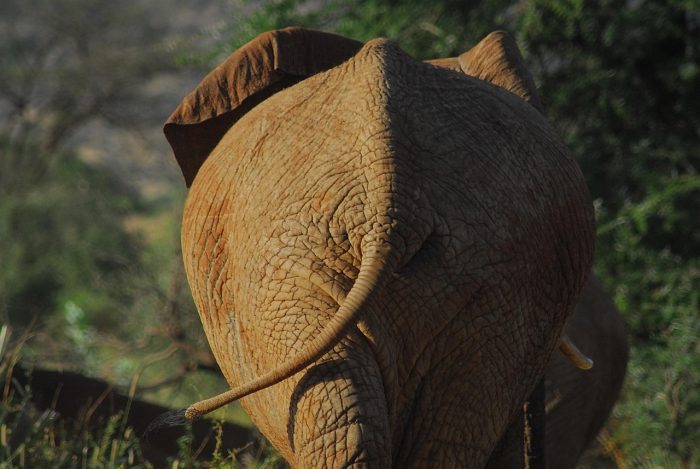 From $4,500
15 Days Best of Uganda Safari
On this 15 Day Uganda Safari, get a chance to Experience Uganda’s rich wildlife abundance, beautiful scenery, and remarkable cultural experiences. The…
View Package →The best Uganda wildlife safaris offer exceptional opportunities to explore renowned destinations like Bwindi Impenetrable Forest for gorilla trekking, Queen Elizabeth National Park for tree climbing lions and boat safaris, and Murchison Falls National Park for game drives and river cruises. Popular activities include tracking chimpanzees in Kibale Forest, birdwatching in Mabamba Wetlands, and witnessing breathtaking landscapes at Rwenzori Mountains. Wildlife-rich areas like Uganda complement Tanzania safaris, providing a unique combination of big game viewing and primate experiences, making it a top choice for adventure and nature lovers.
Best Destinations
What are the best national parks and reserves to visit in Uganda for wildlife safaris?
Uganda is home to many incredible national parks and reserves known for their rich biodiversity and unique wildlife. Below are some of the most popular destinations for Uganda safaris:
Queen Elizabeth National Park
This is one of Uganda’s most visited parks and is famous for its wide variety of wildlife, including elephants, lions, buffaloes, and leopards, as well as unique tree-climbing lions found in the Ishasha sector. It’s also known for boat cruises on the Kazinga Channel, which offer amazing views of hippos, crocodiles, and aquatic bird species.
Murchison Falls National Park
Found in northwestern Uganda, this park is named after the dramatic Murchison Falls, where the Nile River squeezes through a narrow gorge. Visitors can see elephants, giraffes, lions, and even occasionally leopards. The Nile River within the park also supports a massive number of hippos and crocodiles.
Bwindi Impenetrable National Park
Known primarily for mountain gorilla trekking, this UNESCO World Heritage Site is one of the most significant gorilla conservation regions in the world. Apart from gorillas, visitors may also spot colobus monkeys, forest elephants, and a variety of bird species.
Kibale National Park
Regarded as one of the best places in East Africa for primate sightings, this park is home to chimpanzees, as well as other primates like red-tailed monkeys, L’Hoest’s monkeys, and black-and-white colobus monkeys.
Lake Mburo National Park
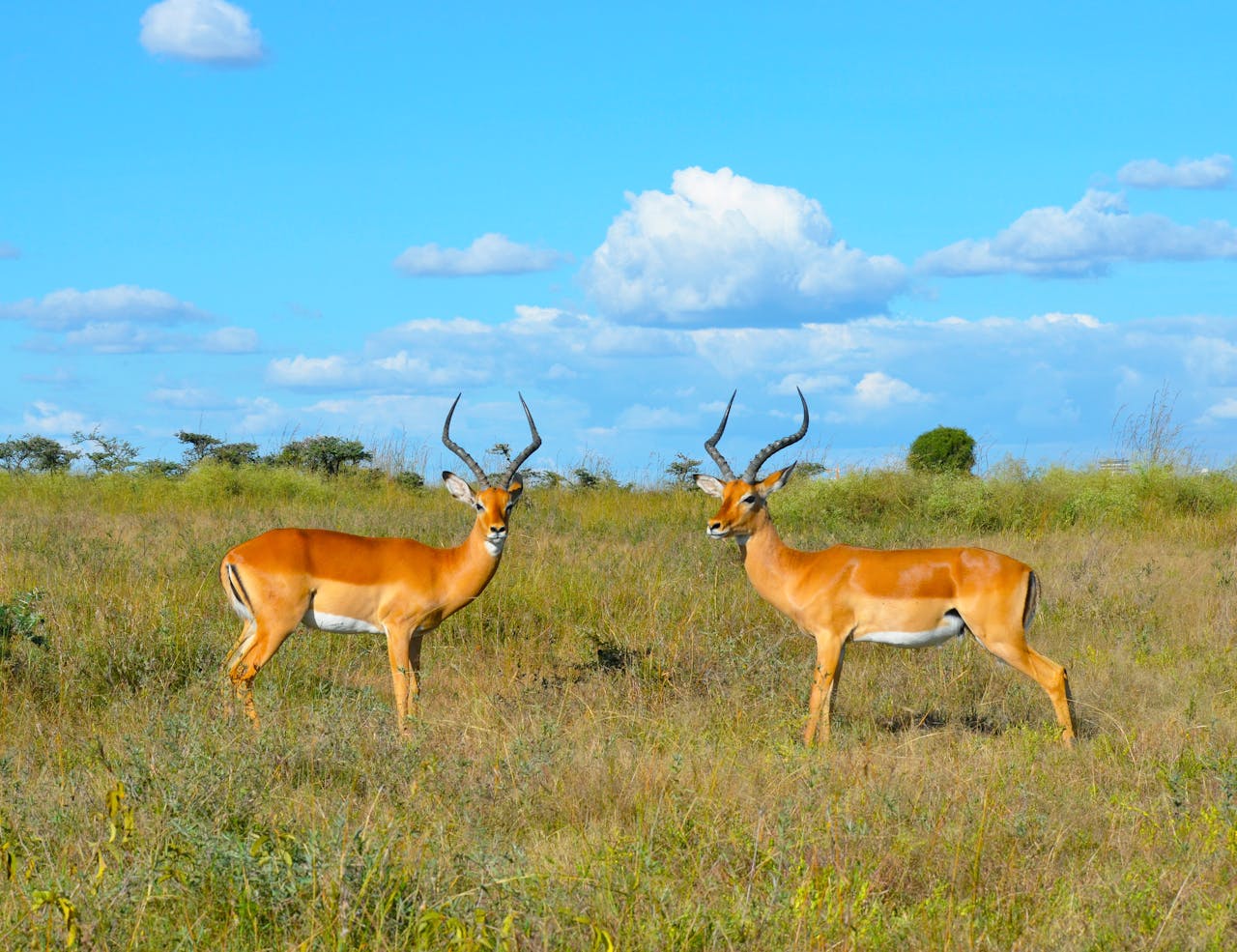
Although smaller, this park is ideal for spotting zebras, elands, impalas, and grazing antelopes. It also offers walking safaris and boat tours, providing an alternative to the classic game drive experience.
Kidepo Valley National Park
Located in a remote part of northern Uganda, this park offers a feeling of exclusivity and is known for its stunning landscapes. The park is excellent for viewing big cats like lions and cheetahs as well as large herds of buffaloes.
Each park offers a unique experience, so the best choice depends on travelers’ interests, whether it’s gorilla trekking, big game viewing, or exploring remote wilderness areas.

When to Visit
What is the best time of year to go on a wildlife safari in Uganda?
The timing of your safari plays a big role in what you’ll see and how much you’ll enjoy the experience. Uganda’s weather is primarily influenced by two rainy seasons, and the best time to visit generally falls during its dry seasons.
Dry Seasons (Best Time for Safaris): The two dry periods occur between December to February and June to September. During these months, conditions are ideal for game drives, as animals tend to gather around waterholes and are easier to spot due to reduced vegetation. Additionally, trekking for mountain gorillas or chimpanzees is more comfortable because the trails are less muddy.
For gorilla trekking, it is advisable to book permits well in advance, especially in the peak months (June to September), as availability can become limited.
Wet Seasons (March to May, October to November): These months see heavier rains, making some roads and trails harder to navigate. However, this can be a rewarding time for bird watchers, as the landscape is lush and several migratory bird species are present. Sightings of animals can be somewhat more scattered as they don’t rely as heavily on water holes during this time.
While the weather is a factor, Uganda generally has a pleasant climate that makes it possible to visit all year round. Even during the wet season, the rains often occur in short bursts, and safari activities can still proceed — though preparation for muddy roads and challenging terrain is essential.
In summary, dry seasons are preferred for better wildlife viewing and easier trekking conditions, while the wet season offers benefits for bird enthusiasts and those looking to enjoy lush, green landscapes.

The Wildlife
What types of wildlife can you expect to see on a Ugandan safari?
Uganda is celebrated for its diverse wildlife and is one of the few countries where visitors can see the “Big Five” animals (lions, elephants, leopards, buffaloes, and rhinos) alongside rare primates like mountain gorillas and chimpanzees.
Big Game Animals
Uganda’s savannah parks, such as Queen Elizabeth and Murchison Falls National Parks, are home to elephants, lions, leopards, and vast herds of buffaloes. In Ziwa Rhino Sanctuary, you can see the rare rhinos, completing the Big Five experience.
Mountain Gorillas
The dense forests of Bwindi Impenetrable National Park and Mgahinga Gorilla National Park harbor about half of the world’s remaining mountain gorilla population. Trekking to observe these gentle giants up close is one of Uganda’s biggest attractions.
Chimpanzees
Kibale National Park is renowned for its large population of chimpanzees. Visitors can also spot them in Budongo Forest and Kyambura Gorge in Queen Elizabeth National Park.
Unique Animals
Uganda is known for several animals that you won’t easily find elsewhere. Notable species include the tree-climbing lions of Queen Elizabeth National Park, Rothschild’s giraffes, endemic Uganda kob antelopes, zebras in Lake Mburo National Park, and shoebill storks found in wetlands like Mabamba Swamp.
Aquatic Animals
Hippopotamuses and crocodiles abound in Uganda’s major waterways, especially along the Nile River in Murchison Falls National Park and the Kazinga Channel in Queen Elizabeth.
Birdlife
With over 1,000 bird species recorded, Uganda is a paradise for bird enthusiasts. Visitors can spot species ranging from the shoebill to colorful bee-eaters and African fish eagles.
Uganda vs the Region
How do Uganda’s wildlife safaris compare to those in neighboring countries like Kenya or Tanzania?
Uganda’s wildlife safaris stand out primarily because of their unique focus on primates, particularly mountain gorillas and chimpanzees. While Kenya and Tanzania are famous for their wide-open savannas and annual wildebeest migration in places like the Masai Mara and Serengeti, Uganda offers a very different experience. Its dense forests, such as Bwindi Impenetrable National Park and Kibale National Park, provide habitats to primates that are not commonly found in those countries.
Another key difference is Uganda’s diverse landscape. Beyond savannas, it boasts forests, wetlands, mountains, and lakes, offering experiences that range from gorilla trekking to boat safaris on the Nile in Murchison Falls National Park. In contrast, safaris in Kenya and Tanzania tend to focus more heavily on large herds of animals like lions, elephants, zebras, and giraffes in primarily open grasslands.
Although Uganda has iconic wildlife like the “Big Five,” its safaris are generally smaller in scale compared to Kenya and Tanzania’s more developed safari tourism infrastructure. Uganda often offers a quieter, less crowded experience, as it has fewer tourists compared to the well-known game parks across its neighbors’ borders.
For those specifically interested in gorilla trekking, Uganda presents a more accessible and cost-effective option than Rwanda, its main competitor in this unique activity. Bwindi Impenetrable Forest in Uganda has more habituated gorilla families than Rwanda’s Volcanoes National Park. While Kenya and Tanzania offer spectacular traditional safaris, Uganda is ideal for someone looking for a combination of unique, forest-based wildlife encounters alongside classic savanna adventures.

Top Experiences
What are the top safari experiences unique to Uganda?
Gorilla Trekking
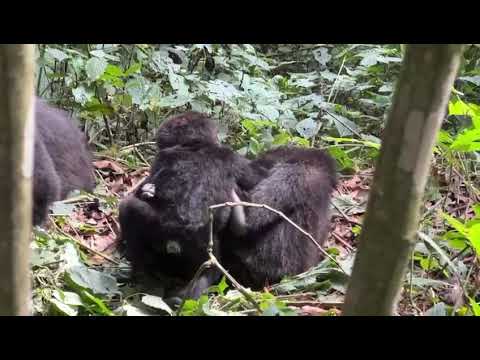
Uganda is famous for several wildlife experiences that can’t easily be matched elsewhere. One of the most iconic is gorilla trekking in Bwindi Impenetrable National Park or Mgahinga Gorilla National Park. Visitors hike through dense forests to spend a precious hour with endangered mountain gorillas in their natural habitat. This experience is rare worldwide, as mountain gorillas only live in Uganda, Rwanda, and the Democratic Republic of Congo.
Chimpanzee Tracking
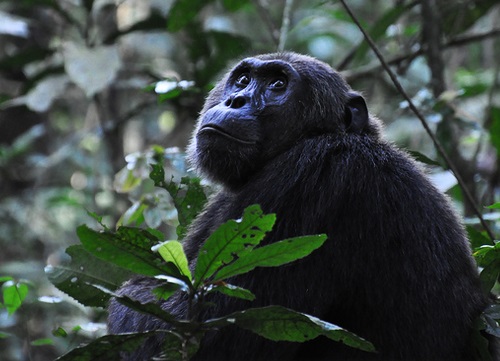
Uganda’s Kibale National Park is one of the best places to observe chimpanzees up close. Participants follow guides deep into the forest to watch these intelligent creatures in their natural surroundings, often hearing their loud calls and witnessing their complex social behaviors.
Boat Safaris
For those interested in water-based wildlife encounters, Uganda offers boat safaris. In places like the Kazinga Channel in Queen Elizabeth National Park or the Nile River in Murchison Falls National Park, travelers can see animals like hippos, crocodiles, elephants, and colorful birdlife from the water’s edge.
Tree-Climbing Lions — Ishasha
Uganda also provides the rare opportunity to see tree-climbing lions in Ishasha, a region within Queen Elizabeth National Park. Very few places in Africa offer this experience, which involves spotting lions lounging in tree branches, a unique behavior thought to help them escape insects or keep cool.
Lake Bunyonyi
Lastly, visits to Lake Bunyonyi, one of the deepest lakes in Africa, offer tranquil scenery, cultural interactions, and canoeing experiences. This variety makes Uganda a great destination for people looking for wildlife combined with distinctive, adventurous activities in varied environments.
Pricing 2025
How much does a typical Uganda wildlife safari cost?
The cost of a Uganda wildlife safari can range widely depending on the activities, type of accommodation, group size, and length of travel. A budget safari might cost between $150 and $300 per day per person, while a mid-range safari is generally around $350 to $600 per day. Luxury safaris can go upwards of $700 to over $1,000 per day depending on high-end accommodations, private vehicles, or chartered flights.
The most significant factor influencing costs is whether gorilla trekking is included. A gorilla trekking permit in Uganda costs $800 per person (2025), making it a substantial portion of any budget. Permits for chimpanzee tracking, though cheaper, still cost between $200 and $300.
Accommodation also plays a significant role in pricing. Uganda provides options ranging from basic tented camps and hostels to upscale safari lodges. While amenities like hot showers or gourmet meals come at a premium, budget travelers can still find simpler options with good services.
Transportation is another cost consideration. Travelers who opt for private vehicles with a guide/driver will spend more compared to those sharing a group safari. Air travel between parks, while faster, is far more expensive than driving.
The number of activities included also affects pricing. Adding on boat safaris, guided walks, or cultural visits will raise the total cost. Overall, Uganda safaris tend to be more affordable than those in neighboring Rwanda, particularly for gorilla trekking, but costs can still add up.
Use our online Uganda safari calculator for your price estimates.
Safari Styles
What are the different types of safaris available in Uganda?
Guided Safaris
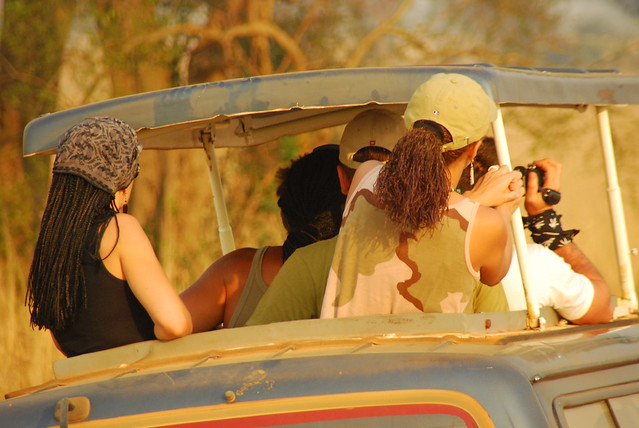
These are the most common and recommended option for exploring Uganda’s wildlife. A professional guide accompanies you throughout the safari, sharing their expertise about animals, plants, and the local environment. Guides can also drive you in specially designed safari vehicles. Guided safaris are great if you’re not familiar with the area, as the guide ensures you visit the best spots for wildlife viewing. For example, a guided safari in Queen Elizabeth National Park might include exploring Kazinga Channel to see hippos or heading out to spot lions in the savannah.
Self-Drive Safaris
This option allows you to rent a 4×4 vehicle and navigate through Uganda’s national parks alone or with your travel companions. Popular in places like Murchison Falls National Park or Lake Mburo National Park, self-drive safaris give a sense of independence and flexibility. However, you must be prepared for rough roads and good at route planning. It’s also useful to have some knowledge of wildlife behavior.
Walking Safaris
This type gives you the chance to explore Uganda’s parks on foot, led by a ranger or guide. Walking safaris are available in parks like Ziwa Rhino Sanctuary or Bwindi Impenetrable Forest. They provide a more intimate experience with nature and allow you to notice smaller details, such as bird species, plants, and insects. You might even get close to some animals, such as rhinos, under the supervision of a trained expert.
Boat Safaris
Many of Uganda’s parks include water-based safaris, perfect for exploring lakes and rivers. For instance, a boat ride in Murchison Falls National Park on the Nile River provides views of elephants, crocodiles, hippos, and birds along the shoreline. Another popular option is a boat safari on Kazinga Channel in Queen Elizabeth National Park.
Specialized Safaris
These include activities like gorilla trekking in Bwindi Impenetrable Forest or chimpanzee tracking in Kibale Forest National Park. These highly specific experiences involve hiking through forests and observing primates in their natural habitats. Trained guides lead these excursions, and permits are required to take part.
Where to Stay
What is the level of accommodation available on Uganda safaris?
Uganda offers a wide range of accommodation types to suit various budgets and comfort levels. Whether you want a basic setup or a luxurious experience, there’s something for everyone.
Budget
Guesthouses & Campsites
These options typically include small guesthouses, campsites, and backpacker lodges. Budget accommodations prioritize affordability and provide basic amenities such as clean rooms, shared bathrooms, and simple meals.
Mid-Range
Lodges & Camps
Mid-range options offer more comfort with private rooms, en-suite bathrooms, and slightly better facilities. These lodges often include restaurants, a bar, and well-maintained outdoor spaces. For example, Mweya Safari Lodge in Queen Elizabeth National Park.
Luxury
Luxury Lodges & Tented Camps
Luxury accommodations provide high-end comfort and personalized service. Examples include Clouds Mountain Gorilla Lodge for gorilla trekking or Paraa Safari Lodge in Murchison Falls.
Exclusive
High-End Private Camps
For the most premium stay, Uganda has private lodges and exclusive camps offering unmatched service and privacy, including butler services and customized itineraries. An example is Buhoma Lodge near Bwindi.
Depending on where you stay, options may include accommodations within the park or in nearby towns. Make sure to book early, especially during peak seasons, as lodges in popular parks can fill up quickly.
Where To Stay On a Ugandan Safari?
National Park lodges range from Budget to 5 Star facilities, all set to pamper every single need throughout your stay within this African Wild. Reside in lodges, or tented camps set in traditional style, or the beautiful bandas, enjoy the delicious meals delicately prepared by their professional chefs.
Bwindi — US$700–$1,500
Bwindi — US$700–$1,500
Bwindi — US$700–$1,500
Kibale — US$400–$800
Kibale — US$400–$800
Kibale — US$400–$800
Queen Elizabeth
Murchison Falls
Lake Bunyonyi
Lake Mburo
Kampala
Kampala
Kampala
Kampala


Before You Go
What should travelers pack and prepare for a wildlife safari in Uganda?
Packing for a Ugandan safari depends on the activities you’ll be doing and the regions you plan to explore.
Clothing: Lightweight, breathable clothing in neutral colors (like khaki or green) is ideal for blending in with the environment. Long-sleeved shirts and long pants protect against the sun, insects, and thorny plants. A good pair of comfortable, sturdy hiking boots is crucial for walking and trekking activities, especially for gorilla or chimpanzee tracking. Pack a wide-brim hat, sunglasses, and a rain jacket since the weather can be unpredictable.
Health Essentials: Sunscreen, insect repellent, and basic first-aid supplies are must-haves. If you’re trekking gorillas or spending time outdoors, you may also need gloves to navigate dense forests or climbing sections. Remember to pack any necessary prescription medications, including anti-malarial tablets and a copy of your vaccination record.
Gear for Wildlife Viewing: Binoculars are highly recommended for spotting animals at a distance, such as birds or lions. A good camera with a zoom lens can help you document your trip. Be sure to have enough memory cards and batteries or a portable power bank to keep your devices running.
Documents and Money: Carry your travel documents, such as your passport, visa, permits for special activities (e.g., gorilla trekking), and travel insurance. It’s also wise to carry some cash (preferably in Ugandan Shillings) for tips, small purchases, or emergencies, alongside a credit or debit card.
Snacks and Reusables: Bring energy snacks for long game drives and refueling during activities. Reusable water bottles are useful not just for keeping hydrated but also for reducing waste.
Preparing includes arranging permits (for activities like gorilla trekking), making accommodation bookings, and checking travel advisory updates. Travelers should also prepare for a mix of road and weather conditions, as some areas may have rough or muddy paths.
Safety & Health
How safe is it to travel for a wildlife safari in Uganda?
Traveling to Uganda for a wildlife safari is generally considered safe, but it’s important to take certain precautions to ensure a safe and enjoyable trip. Uganda has worked to improve its tourism infrastructure, and many visitors leave with positive experiences.
One key aspect of safety is working with licensed safari companies or accredited guides. These professionals are familiar with the best practices for navigating parks, interacting with wildlife, and avoiding potentially unsafe situations. Researching organizations with strong safety records can help provide additional peace of mind.
When in wildlife reserves, it is crucial to follow park ranger instructions. Animals in their natural habitats can be unpredictable, so staying in vehicles during game drives and maintaining a safe distance is wise. Walking safaris or treks often have armed escorts who prioritize visitor safety in case of emergencies.
Health precautions are also important. Uganda is a malaria-prone country, so travelers should pack insect repellents, wear long-sleeved clothing in the evenings, sleep under mosquito nets, and consider antimalarial medication. Vaccinations for yellow fever are required upon arrival, and travelers may also want to update immunizations against diseases like typhoid and hepatitis.
Political stability is generally good, but monitoring local news and staying informed through your embassy is helpful. It’s best to avoid any regions with reported unrest, particularly near borders like the Democratic Republic of Congo.
Finally, ensure that you have travel insurance that covers medical emergencies, theft, and trip cancellations. Keeping photocopies of important documents like passports and visas and being vigilant with personal belongings are small but effective steps for added security.
Eco-Tourism
Are there any conservation or eco-tourism initiatives supporting Uganda’s wildlife safaris?
Uganda is dedicated to preserving its rich natural heritage, and numerous conservation and eco-tourism initiatives work to protect the country’s wildlife and ecosystems while involving local communities. Uganda’s approach focuses on balancing tourism with environmental sustainability and community well-being.
One significant conservation initiative is gorilla trekking in Bwindi Impenetrable National Park and Mgahinga Gorilla National Park. Tourists pay for gorilla trekking permits, and a portion of the fees funds habitat preservation, anti-poaching efforts, and community projects. This not only helps protect mountain gorillas but also creates jobs and boosts livelihoods for people living near the parks.
The Uganda Wildlife Authority (UWA) plays a major role in managing the country’s protected areas. UWA implements anti-poaching measures, educates communities about the value of wildlife, and works on programs to reintroduce endangered species like rhinos.
Eco-tourism lodges in Uganda support sustainable tourism by practicing waste reduction, using solar energy, and sourcing materials and food locally. Community tourism projects such as the Batwa cultural experiences near Bwindi allow tourists to learn about local traditions while empowering marginalized groups. Overall, travelers who make ethical choices when booking safaris, tours, and accommodations can significantly support these conservation initiatives.
Planning & Logistics
What are the visa, travel, and logistics requirements for planning a safari in Uganda?
Planning a safari in Uganda involves understanding the country’s visa and travel requirements, along with logistics for navigating the region.
Visitors from many countries need a visa to enter Uganda, and the most convenient option is the e-Visa, which can be applied for online before travel. Applicants need to fill out a form, pay the visa fee (usually around $50 for a single-entry visa), and upload necessary documents such as a passport copy and a passport-sized photo. The approved visa is then emailed, and a printed copy is shown upon arrival. Alternatively, a traveler can purchase an East Africa Tourist Visa (around $100), which allows visits to Uganda, Kenya, and Rwanda.
Uganda recognizes yellow fever vaccination as mandatory, so carrying proof (a yellow card) is necessary. Additionally, ensure your passport is valid for at least six months beyond your travel dates and has blank pages for entry stamps.
Flights typically land at Entebbe International Airport, located near Kampala, Uganda’s capital city. If your safari plans include visiting multiple destinations, hiring a local tour company to arrange airport transfers, domestic flights, or group transport is highly useful. Some travelers rent vehicles, but this option requires confident driving skills, as Uganda’s roads can range from paved highways to challenging dirt tracks.
Mobile connectivity is widely available in cities and towns, so getting a local SIM card can make communication easier. Paying for activities, guides, and tips often requires cash, and Uganda uses the Ugandan shilling as its currency. While major towns have ATMs, remote safari areas may not.
By planning thoroughly, staying organized, and consulting with professionals, the logistics of organizing a trip to Uganda can become very manageable.

Book Your Safari
How To Book Your Uganda Safari
So, we’ve covered the basics: what makes Uganda wildlife safaris so unique, why they’re worth experiencing, and how to plan the perfect adventure. Now, it’s time to take the next step toward your dream safari! Whether you’re eager to spot the Big Five or trek through lush jungles with mountain gorillas, the best way to ensure an unforgettable experience is by booking through trusted safari experts.
Common Questions
FAQs on Uganda Safaris
Watch & Explore
Trending Safari Videos on Uganda
Testimonials
Uganda Safari Reviews. What Do People Say?
Top 10 Best Tourist Attractions and Places to Visit in Uganda 2025
The Top 10 best tourist attractions and places to visit in Uganda 2025 include Bwindi Impenetrable National Park for gorilla trekking, Murchison Falls National Park for game drives and the iconic waterfalls, Queen Elizabeth National Park for wildlife safaris, and the Rwenzori Mountains for challenging hikes. Explore the Kibale Forest National Park to spot chimpanzees or visit Lake Victoria for water activities. The Ssese Islands offer serene escapes, while Jinja is known for the source of the Nile and thrilling activities like white-water rafting. Mgahinga Gorilla National Park highlights mountain gorillas and the Virunga range, and the Sipi Falls region provides beautiful landscapes near Mount Elgon. Combine your trip with Tanzania safaris for a diverse experience.
What are the top 10 tourist attractions and places to visit in Uganda in 2025?
Uganda is known for its natural beauty, wildlife, and cultural heritage. Here are ten popular places to visit in Uganda:
- Bwindi Impenetrable National Park – A UNESCO World Heritage Site, it is famous for its population of mountain gorillas. Visitors can go on guided gorilla trekking tours to observe these primates in their wild habitat.
- Murchison Falls National Park – Uganda’s largest national park, known for the dramatic Murchison Falls, where the Nile River squeezes through a narrow gorge. Visitors can also enjoy safaris to spot animals like elephants and lions.
- Queen Elizabeth National Park – This park is known for diverse wildlife, including tree-climbing lions, and picturesque landscapes such as the Kazinga Channel.
- Kibale Forest National Park – One of the best places in Africa to see chimpanzees in the wild, offering unique opportunities for chimpanzee trekking.
- Rwenzori Mountains National Park – Home to Africa’s third-highest mountain, Mt. Stanley. It’s a great destination for hiking and mountaineering.
- Lake Victoria – The largest lake in Africa and a hub for fishing, boating, and exploring islands like Ssese and Ngamba (a chimpanzee sanctuary).
- Jinja – Known as the adventure capital of East Africa, Jinja is the starting point of the Nile River and offers activities like whitewater rafting and bungee jumping.
- Kampala – The capital city of Uganda, filled with vibrant markets, cultural sites like the Kasubi Tombs, and a dynamic nightlife.
- Ziwa Rhino Sanctuary – This reserve is dedicated to protecting white rhinos and allows visitors to see them up close during guided walking tours.
- Sipi Falls – A group of beautiful waterfalls located on the slopes of Mt. Elgon, perfect for hiking, rock climbing, and enjoying stunning views.
These locations highlight the natural beauty, wildlife, and culture that make Uganda a compelling destination for tourists worldwide.
What is the significance of each of these tourist attractions or destinations in Uganda?
Each of these attractions holds importance because of its natural, cultural, or historical value:
- Bwindi Impenetrable National Park – It is vital for gorilla conservation efforts, as half of the world’s mountain gorillas live here. Gorilla trekking generates funds for local communities and protects wildlife.
- Murchison Falls National Park – The park plays a key role in conserving the Nile River’s ecosystem and provides habitat for various wildlife. The dramatic falls are also a major iconic landmark in Uganda.
- Queen Elizabeth National Park – This park is known for its biodiversity. It’s also home to rare tree-climbing lions that draw visitors from around the world.
- Kibale Forest National Park – As one of the world’s best primate trekking destinations, it is vital for research and conservation of chimpanzees and other primates.
- Rwenzori Mountains National Park – This park holds geological and environmental importance, with its glaciers and unique high-altitude flora. It also attracts mountain climbers.
- Lake Victoria – As the largest lake in Africa, it supports livelihoods through fishing and tourism and is an essential water resource. The islands on the lake add cultural significance.
- Jinja – Besides its adventurous activities, Jinja is the historic source of the Nile River, symbolizing exploration and playing a role in supporting the local economy.
- Kampala – As Uganda’s capital, it represents the cultural and social heart of the country, blending modernity with tradition. Historical sites like the Kasubi Tombs tie the city to Uganda’s heritage.
- Ziwa Rhino Sanctuary – This sanctuary is crucial for rhinoceros conservation, as rhinos had been extinct in Uganda before its establishment. The effort ensures their reintroduction into the wild is possible.
- Sipi Falls – Beyond its natural beauty, Sipi Falls has cultural connections with local communities that depend on tourism near the slopes of Mt. Elgon.
Each site contributes to Uganda’s identity and also fosters conservation, economic development, and cultural understanding.
Which national parks in Uganda are must-visit destinations for wildlife enthusiasts?
Uganda is home to several impressive national parks. Wildlife enthusiasts may particularly appreciate the following parks:
- Bwindi Impenetrable National Park – As the habitat for over half of the world’s mountain gorillas, this park is an extraordinary destination for wildlife lovers. Gorilla trekking tours allow visitors to observe rare primates while supporting conservation efforts.
- Murchison Falls National Park – This is one of Uganda’s most famous parks for savanna safaris, boat cruises, and a stunning display of the Nile’s power at Murchison Falls. Visitors can spot elephants, giraffes, hippos, and more.
- Queen Elizabeth National Park – It is home to diverse wildlife, including lions, elephants, buffalos, and hundreds of bird species. The Kazinga Channel is a highlight for boat trips to see hippos and crocodiles.
- Kibale Forest National Park – Known for having the highest number of primates in Africa, including chimpanzees. Wildlife enthusiasts can trek through the dense forest to observe these intelligent creatures up close.
- Rwenzori Mountains National Park – This area isn’t just for climbers; it also hosts unique animal species in one of the most stunning mountainous environments.
- Kidepo Valley National Park – Nestled in a remote part of Uganda, this park appeals to those aiming for off-the-beaten-path safari experiences. It features lesser-seen wildlife like cheetahs and ostriches.
- Lake Mburo National Park – A relatively smaller park but rich in zebras, antelope species, and birdlife. Walking and horseback safaris are a unique way for visitors to connect with the wilderness here.
These parks offer options for both adventurous travelers and relaxed explorers, from gorilla trekking and chimpanzee habituation to traditional safaris or birdwatching opportunities.
What unique activities or experiences can tourists enjoy at these locations in Uganda?
Uganda offers a wide range of activities and opportunities for visitors that showcase its rich biodiversity, culture, and geographic features. A few highlights are:
- Gorilla Trekking: In Bwindi Impenetrable National Park and Mgahinga Gorilla National Park, travelers can join guided treks through the forest to see mountain gorillas in their natural habitat. This is a truly rare experience, as these gentle creatures are only found in a few places on Earth.
- Game Drives and Safari Adventures: Uganda’s national parks, such as Queen Elizabeth National Park and Murchison Falls National Park, offer traditional African safari experiences. Visitors can spot lions, elephants, leopards, buffalos, and antelopes during early morning or evening drives.
- Chimpanzee Tracking: In Kibale National Park, tourists can track chimpanzees and observe their behaviors up close. This excursion provides insights into primate life and the rainforest ecosystem.
- Boat Safaris: Several parks, including the Kazinga Channel in Queen Elizabeth National Park and the Nile River in Murchison Falls National Park, offer boat safaris where visitors can see crocodiles, hippos, and a plethora of birds.
- Hiking and Mountain Climbing: Adventurers can climb the Rwenzori Mountains (“Mountains of the Moon”), known for their snow-capped peaks. Mount Elgon is another excellent hiking option, featuring beautiful landscapes and waterfalls.
- Cultural Encounters: Visitors can interact with local communities, such as the Batwa pygmies near Bwindi, to learn about traditional lifestyles, music, and dances.
- Adventure Sports: Jinja, known as the source of the Nile, offers activities like white-water rafting, kayaking, bungee jumping, and even quad biking along scenic routes.
- Bird Watching: Uganda is a birdwatcher’s paradise with over 1,000 species to observe, including the iconic shoebill stork. Wetlands and forests like Mabamba Swamp are prime birding locations.
- Exploring Waterfalls: Murchison Falls is a spectacular sight where the Nile River forces its way through a narrow gorge. Sipi Falls near Mount Elgon is tranquil and stunning, perfect for hikers and nature lovers.
Each of these activities caters to nature lovers, thrill-seekers, or those simply looking to enjoy Uganda’s remarkable environment.
Why is Uganda often referred to as the “Pearl of Africa”?
Uganda is called the “Pearl of Africa” because of its diverse and exceptional natural beauty, as described by Winston Churchill in his book My African Journey. The nickname highlights the country’s unique combination of wildlife, landscapes, and cultural richness. Here’s an explanation:
- Remarkable Wildlife: Uganda is home to incredible biodiversity, including gorillas, chimpanzees, the Big Five animals (lion, leopard, buffalo, elephant, and rhino), and numerous bird species. This sets it apart as a premier destination for nature and wildlife enthusiasts.
- Geographic Variety: The country boasts diverse landscapes, from dense rainforests and rolling savannahs to snow-capped mountains, volcanic craters, and vast lakes. Lake Victoria is the largest freshwater lake in Africa, and the Nile River starts its journey from here.
- Year-Round Greenery: Due to its favorable equatorial climate, Uganda maintains lush green scenery throughout the year, making it visually stunning.
- Cultural and Historical Wealth: The country comprises more than 50 tribes, offering rich traditions, languages, music, and dance. Sites like Kasubi Tombs and the capital Kampala reflect Uganda’s heritage.
- Special Natural Features: Examples include Gorilla trekking in Bwindi and the rare shoebill stork. It’s also known for iconic locations like Murchison Falls, which remain unparalleled in their beauty.
Churchill was impressed by the combination of these elements, and the nickname has since been embraced as a reflection of Uganda’s unique appeal.
What are the best ways to access and travel to these top tourist attractions in Uganda?
Getting to and traveling within Uganda is relatively straightforward for tourists. Here are some tips on how to reach and explore its famous destinations:
- By Air: Most international visitors arrive in Uganda through Entebbe International Airport, located near Kampala. Flights from major hubs in Africa, Europe, and the Middle East connect to this airport. From Entebbe, domestic charter flights are available to some national parks, like Kidepo Valley and Bwindi.
- By Road: Roads are the most common mode of travel within Uganda. Tour companies offer guided safaris in 4×4 vehicles, ideal for reaching parks and rural attractions. Public buses and vans (known as matatus) are local options for budget travelers, though they may be less comfortable or predictable.
- Self-Drive Options: Renting a car is possible, but travelers should be prepared for varying road conditions and ensure they have a map or GPS. A 4WD vehicle is recommended for areas with tough terrain like national parks or mountainous regions.
- Special Transport Options: In Jinja or around the lakes, visitors may use ferries or local boats to reach islands or explore short routes. For remote locations, like some parts of the Rwenzori or Kidepo, airstrips allow quicker travel.
- Local Guides and Tour Operators: Engaging a tour operator often simplifies logistics, especially for activities like gorilla trekking where permits are required. They organize transport and itineraries in advance.
For a better experience, planning travel with dependable transportation firms or guides ensures safety and comfort when visiting these attractions.
What cultural or historical landmarks in Uganda should not be missed?
Uganda offers a rich array of cultural and historical landmarks that provide insight into its diverse heritage and history. One highlight is the Kasubi Tombs, a UNESCO World Heritage Site in Kampala. These are the burial grounds of Buganda kings and are significant for understanding the Buganda Kingdom. The site showcases traditional architecture made primarily from organic materials, representing a mix of history and spirituality.
Another important location is the Namugongo Martyrs’ Shrine, located near Kampala. This is a memorial for Christian martyrs who were executed in the late 19th century by King Mwanga II for their faith. Every June 3, people from across the world visit this shrine to honor their sacrifice.
The Uganda Museum in Kampala is also worth a visit. It displays artifacts and exhibits about the country’s ethnography, archeology, and natural history, helping visitors learn about Uganda’s past and cultural diversity.
When exploring cultural landmarks, consider heading to the Ndere Cultural Centre as well. It offers performances showcasing Ugandan dance, music, and storytelling traditions. This is an engaging way to experience the country’s cultural diversity.
For a deeper look into colonial and post-colonial history, visit the Mengo Palace (Kabaka’s Palace) in Kampala. This includes a visit to Amin’s Torture Chambers, providing insight into some of the darker chapters of Uganda’s history.
What is the best time of year to visit Uganda for tourism?
Uganda’s equatorial location gives it a tropical climate, making it suitable for travel throughout the year. However, the best time to visit is generally during the dry seasons, which occur from June to September and December to February. These months are particularly favorable for activities such as trekking, safari tours, and gorilla tracking, as the weather is more predictable, trails are less muddy, and wildlife gathers around water sources, increasing sighting opportunities.
During the dry season, roads leading to attractions like national parks and remote areas are in better condition, reducing travel challenges. It is also ideal for visiting areas like Bwindi Impenetrable National Park for mountain gorilla trekking or Queen Elizabeth National Park for wildlife drives. Activities such as chimpanzee tracking or visiting Lake Mburo are generally more enjoyable during this period.
The wet seasons (from March to May and October to November) are not entirely off-limits. Despite the rains, these months are less crowded, and landscapes are lush and green. Bird-watching is especially excellent during this time as migratory bird species arrive.
When planning a visit, it is helpful to consider the type of activities you want to engage in and how weather conditions might influence your experience.
How much time should one allocate to visit these top attractions in Uganda?
The amount of time to allocate depends on the attractions you want to explore and the pace of your travel. For a comprehensive visit covering several top attractions, allotting about 10 to 14 days is sufficient for an enriching experience.
If you plan to trek to see mountain gorillas in Bwindi or Mgahinga National Parks or spend time tracking chimpanzees in Kibale Forest, dedicating 2 to 3 days per destination is necessary, including travel time. Gorilla trekking alone requires permits and a full day on-site.
For wildlife safaris in Queen Elizabeth National Park, Murchison Falls, or Kidepo Valley National Park, a minimum of 2 to 3 days is recommended per park. This allows enough time for game drives and possibly boat trips or other activities like birding or community visits.
If exploring cultural or historical sites, such as Kampala’s landmarks, you can add 1 to 2 days. Lake Victoria and nearby islands, like Ssese Islands, can be a relaxing 1- or 2-day detour.
Shorter trips are also possible, such as 4 to 5 days, focusing on one or two highlights like gorilla trekking or a specific national park safari. However, optimizing travel times by considering the distances between destinations is key for shorter itineraries.
What accommodations and facilities are available near these tourist destinations?
Uganda offers a variety of accommodations and facilities near its main tourist destinations, catering to different budgets and comfort levels. These range from high-end luxury lodges to budget-friendly hostels and campsites, ensuring travelers can find a suitable option regardless of their preferences.
Near popular national parks like Queen Elizabeth National Park, Murchison Falls National Park, and Bwindi Impenetrable National Park, there are several safari lodges and eco-friendly accommodations. For example, near Bwindi, you will find luxury lodges such as Clouds Mountain Gorilla Lodge, mid-range options like Buhoma Lodge, and basic campsites for those seeking a more affordable stay. These lodges typically provide amenities such as meals, guided tours, and comfortable rooms with views of the surrounding wildlife and scenery.
In Kampala, Uganda’s capital city, you’ll find a wide selection of hotels, from upscale places like the Kampala Serena Hotel and Sheraton Kampala to mid-range and budget hotels such as the Humura Resort or Backpackers Hostel. In urban hubs like Entebbe, near Lake Victoria, there are also lakeside resorts, cozy bed-and-breakfasts, and business hotels.
For adventure activities around Jinja, known for its rafting on the Nile River, there are lodges and campsites that cater to thrill-seekers, offering river views and access to outdoor activities.
Most accommodations around key attractions also have well-trained staff who can organize tours, safaris, or other activities, and many have dining options to cater to local and international foods. It’s a good idea to book in advance, especially during peak travel season, to avoid disappointment.
Are there any safety considerations or travel tips for visiting these sites in Uganda?
While Uganda is generally considered a safe destination for tourists, there are some safety considerations and travel tips to keep in mind for a trouble-free trip.
First, always check the latest travel advisories issued by your government before visiting. Some areas, especially close to international borders, may have specific warnings due to political concerns or occasional incidents of insecurity. Stick to well-known tourist spots and work with reputable travel operators to ensure safety.
In cities, like Kampala, mind your personal belongings and avoid displaying valuables in public to reduce the risk of petty theft. Be cautious with your belongings in crowded areas, such as markets or transport hubs.
When visiting national parks, always follow the instructions of your guide. Wildlife encounters can be thrilling, but it’s important to maintain a safe distance from animals. For gorilla trekking, keep at least seven meters away from gorillas to avoid any unexpected interactions or the transmission of diseases.
Uganda is a tropical country, so mosquitoes that can spread malaria are a concern. Use insect repellent, wear long-sleeved clothing in the evenings, and sleep under a mosquito net. Additionally, it is best to talk to a healthcare provider about vaccinations or preventive medicine like malaria tablets before traveling.
Stick to bottled or boiled water for drinking, as tap water is not safe for consumption. Also, when traveling between regions or tourist sites, prioritize reputable transport providers and avoid traveling at night, especially on rural roads.
Overall, staying aware, listening to local advice, and preparing ahead of time can help ensure a safe and enjoyable visit.
What are some insider tips or lesser-known facts about these top tourist spots in Uganda?
Uganda has some unique aspects and lesser-known tips that can enrich your visit to its top tourist spots. Knowing these can make your trip more memorable and possibly save you time or money.
In the case of gorilla trekking in Bwindi Impenetrable National Park, patrol permits can sell out quickly since only a limited number are issued per day. It’s wise to book permits several months in advance to secure your spot. Since trekking varies in difficulty, consider asking for a trail that matches your fitness levels when booking.
For birdwatching enthusiasts, Uganda boasts over 1,000 bird species, making it one of the best destinations globally for birders. Mabamba Swamp near Entebbe is a fantastic location to spot the rare shoebill stork. If you visit, hire a local guide for a canoe tour to maximize your sightings.
Murchison Falls National Park, apart from its stunning waterfall, is a great location for boat safaris. Rather than just experiencing traditional game drives, consider including a boat ride along the Nile to see crocodiles, hippos, and elephants up close.
In Jinja, apart from rafting on the Nile’s rapids, try exploring the nearby villages by bike or horseback for an off-the-beaten-path experience. The source of the Nile also has markets where you can purchase handmade crafts and souvenirs directly from artisans.
When visiting parks, tipping guides, rangers, and porters is appreciated and helps support their livelihoods. Also, bringing reusable water bottles and eco-friendly products can reduce your impact, as Uganda values conservation efforts highly.
Lastly, don’t overlook Lake Bunyonyi, known as one of Africa’s deepest lakes. The tranquil scenery, dotted with small islands, is perfect for a relaxing break. Travelers often recommend a swim here since it’s bilharzia-free, a rarity for lakes in the region.
How to Book Your Uganda Safari
We’ve taken you on a quick journey through the stunning highlights of Uganda’s top tourist attractions for 2025 , from the magical gorilla treks in Bwindi to the awe-inspiring wildlife of Queen Elizabeth National Park. You’ve learned the ‘what,’ ‘why,’ and ‘how’ of exploring Uganda’s natural beauty, but now it’s time to take the next step!
For an unforgettable safari experience, book your adventure through one of the Best Safari Companies in Uganda. They’ll create the perfect itinerary to make your dream Uganda safari a reality.
Top Vacation Places in Jinja for a Perfect Getaway
Vacation places in Jinja include the Source of the Nile, where visitors can enjoy activities such as white-water rafting and boat rides, and Itanda Falls, perfect for picnics and birdwatching. The Mabira Forest offers nature walks and canopy zip-lining, while Samuka Island provides a tranquil escape with bird-watching opportunities. For cultural experiences, the Jinja Sailing Club and Busowoko Waterfalls offer serene settings. Nearby adventures like Tanzania safaris can also be planned for an extended exploration of East Africa.
What are the most popular vacation places to visit in Jinja?
Jinja, a town in Uganda, is often referred to as the adventure capital due to its proximity to the source of the River Nile and the variety of activities it offers. One popular destination is the Source of the Nile, where the world’s longest river begins its journey. Travelers can enjoy boat rides on the river while soaking in the scenic beauty, and nearby shops offer local crafts and souvenirs for those interested in Uganda tours.
Another spot worth exploring is Itanda Falls, a breathtaking series of rapids on the Nile River. This site is ideal for photography, picnics, or simply enjoying the gushing water. Adventure enthusiasts flock here for thrilling activities like white-water rafting, making it a highlight of any Uganda safari tour.
Bujagali Lake is frequently visited for its relaxing environment, perfect for activities such as kayaking and fishing or just a peaceful visit to enjoy the calm surroundings. Many consider it a top choice for Jinja tours.
For animal lovers, Samuka Island on Lake Victoria is a must-visit. It serves as a haven for birdwatchers, offering the chance to see various bird species in a tranquil setting, enhancing the Jinja Uganda tourism attractions experience.
Lastly, Jinja Sailing Club provides beautiful views of Lake Victoria and is a great spot for families to unwind with meals, beverages, and occasional lake-related activities. Whether visitors seek nature, adventure, or relaxation, Jinja tours offer a range of experiences that cater to all interests.
What activities or attractions are Jinja famous for?
Jinja, often referred to as the adventure capital of Uganda, is especially recognized for its connection to the River Nile, attracting many visitors for various activities. White-water rafting is one of the most sought-after attractions in Jinja Uganda, with the powerful rapids providing thrilling adventures for both beginners and experienced rafters.
Bungee jumping is another popular activity. Visitors often try this high-adrenaline jump off a platform over the River Nile, for those brave enough to experience the free-fall.
For those who enjoy calmer activities, boat cruises are widely available on both the Nile and Lake Victoria. These cruises often provide stunning views and are ideal during the evening when visitors can enjoy picturesque sunsets.
Cycling enthusiasts can explore various trails, particularly those that allow travelers to ride while enjoying the scenery of the riverbanks and nearby villages. Additionally, Jinja tours often include quad biking, where visitors can ride through dirt tracks and local areas for a unique perspective of both nature and the local community.
Another point of fame for Jinja is fishing, especially targeting Nile perch, a fish species commonly found in the region. Adventure seekers looking for a peaceful day on the Nile will find fishing both rewarding and fun.
From adventure to relaxation, Jinja’s reputation largely comes from its offerings tied to outdoor activities and its beautiful river-based environment, making it a must-visit destination in Uganda.
Are there any historical or cultural sites worth visiting in Jinja?
Jinja has several historical and cultural sites that provide insight into its past and the culture of the region. One example is the Mahatma Gandhi Monument, which honors the historical moment when a portion of Gandhi’s ashes were scattered at the Source of the Nile, a significant site for adventure tourism in Uganda. Visitors can learn about the significance of the monument while enjoying the peaceful surroundings.
Another important cultural attraction is the Jinja Main Market, where travelers can experience daily local life. The bustling marketplace is filled with vendors selling fruits, vegetables, handmade crafts, clothes, and more. Engaging with the vendors here allows visitors to get a feel of the local community and commerce, making it one of the must-see Jinja tourist attractions.
The Bakery Garden, although smaller in scale, is another calm historical spot in Jinja. This garden has significance as part of Jinja’s Colonial history and remains a place for those who want a quieter walk or visit, complementing the various activities available in the area.
Finally, history and faith are combined in landmarks like the Nkonkojeru Tombs, which are culturally important to the Busoga Kingdom, one of the major traditional kingdoms in Uganda. These tombs highlight the customs and burial traditions of the local people and add depth to the Jinja tours experience.
Jinja’s combination of monuments, markets, and traditional landmarks provides visitors with a chance to dive into its cultural and historical significance in Uganda, making it a key destination for anyone interested in exploring the adventure capital of Africa.
What are the best accommodations or resorts in Jinja?
Jinja, known as the adventure capital of Uganda, offers a range of accommodations to suit different tastes and budgets. If you’re looking for luxury stays, options like Jinja Nile Resort are situated by the Nile River and provide upscale amenities such as well-furnished rooms, a swimming pool, spa services, and restaurants with a view of the river. Another prominent resort is Wildwaters Lodge, located on a private island within the River Nile, known for its unique location, luxurious facilities, and stunning views over the rapids.
For mid-range budgets, 2 Friends Guest House is a popular choice that combines comfort with affordability, featuring a pool, cozy rooms, and dining options near key Jinja tourist attractions. If you’re a budget traveler, Source of the Smile Guesthouse is recommended for its clean and friendly environment, a garden to relax in, and affordable pricing. Hostel-style accommodations like Nile River Explorers Backpackers are great for those seeking affordable lodging while meeting like-minded travelers and organizing adventure activities like white water rafting.
Additionally, campsites such as Nile River Camp provide an economical option for those who want to connect more with nature while being close to various activities in the Jinja area. Whether you’re interested in a leisurely boat cruise or thrilling adventure sports, Jinja has something for everyone.
What is the best time of year to visit Jinja?
The best time to visit Jinja City is during the dry season, typically from June to September and December to February. During these months, there is little to no rain, making it convenient to explore outdoor attractions and engage in various activities such as white water rafting and sightseeing. The dry season ensures clear skies and pleasant temperatures, usually ranging between 20°C and 30°C (68°F to 86°F). This period is particularly great for adventure enthusiasts interested in experiencing the Nile River’s beauty and the adventure capital of Uganda.
Visitors during the wet season, which falls between March to May and October to November, might face some inconveniences due to rainfall. Heavy rains can hinder outdoor activities and make the roads leading to some Jinja tourist attractions difficult to navigate. However, this season has its positives as well, such as fewer tourists and lush green surroundings, perfect for those looking for a unique Uganda safari tour experience.
If you’re interested in special events or festivals, checking the calendar for what’s happening in Jinja Uganda might influence your timing. For example, Jinja often hosts marathons or community-focused festivals that provide insight into local culture and traditions.
What outdoor or adventure activities are available in Jinja?
Outdoor enthusiasts and adventure seekers have plenty of options in Jinja, often referred to as the adventure capital of Uganda. Whitewater rafting is one of the most famous activities, with the River Nile offering grade 3 to 5 rapids. Companies like Nile River Explorers and Adrift organize these amazing Uganda tours, which can range from half-day to full-day experiences. This activity is suitable for beginners and experienced rafters alike.
Another thrilling activity is bungee jumping, where you can take a leap of faith off a platform above the Nile River. The adrenaline rush paired with the scenic backdrop makes for an unforgettable adventure. Quad biking is also a popular choice for those wanting to explore off-road trails and nearby villages, making it a great addition to your Jinja tours itinerary.
For water-based activities, kayaking and tubing are common on the Nile. Tubing is ideal for those who prefer a relaxing ride along calmer sections of the river. If you’re looking for something more active, guided kayaking trips are available to explore winding stretches of the Nile. Fishing enthusiasts can enjoy sport fishing tours for Nile perch and other local fish, enhancing their Jinja Uganda tourism attractions experience.
Cycling and guided nature walks cater to those who enjoy land-based outdoor adventures. The areas around Bujagali Falls and Mabira Forest offer routes suited for both beginner and advanced adventurers. For instance, Mabira Forest is particularly great for bird watching and spotting monkeys.
No matter your level of fitness or thrill tolerance, Jinja offers a variety of activities to suit every preference, making it an ideal destination for adventure tourism in southeastern Uganda.
Are there family-friendly vacation places in Jinja?
Yes, Jinja, often referred to as the adventure capital of Uganda, has plenty of places that cater to families, offering various activities and amenities that both kids and adults can enjoy. For instance, Samuka Island is a great option for a family getaway. It is a serene spot on Lake Victoria, accessible by boat, with calm surroundings. Families can explore the island, enjoy swimming, or relax as kids play safely. The natural beauty makes it a peaceful escape suitable for all ages.
Another great place is the Jinja Sailing Club. It provides a mix of relaxation, good food, and outdoor views of Lake Victoria. Parents can enjoy the waterfront views while children play in the open areas. There are sometimes activities like boat rides, which can entertain kids and adults alike.
For an adventurous outing, families can visit the Source of the Nile Gardens. This marks the starting point of the great River Nile and offers open spaces for children to play, take pictures, or enjoy a picnic. Alongside, there are small boat rides that are safe for families and allow everyone to experience the river without extreme activities, making it one of the top Jinja tourist attractions.
Adrift Adventure Park provides options for older kids and teens who may enjoy zip-lining and mild adventure activities. For younger kids, simple riverside relaxation while parents enjoy a light drink might be enough.
If you are looking for accommodations, many resorts like Wild Waters Lodge or The Haven cater well to families, offering spacious rooms, swimming pools, and kid-friendly meal options. These places balance relaxation and fun so that both kids and adults can have equally enjoyable experiences.
Ultimately, Jinja has diverse spots for family trips, ranging from calm islands and gardens to light adventure parks, making it a perfect location for all age groups in Uganda.
What are the transportation options to get to and around Jinja?
To get to Jinja, one of the most common options is by road. From Kampala, Uganda’s capital, it takes about two to three hours by car or bus, depending on traffic. The Kampala–Jinja highway is the main route, offering a smooth drive with scenic views of the countryside. If you’re traveling on a budget, you can use shared minibusses, locally called “taxis,” which operate regularly between Kampala and Jinja. For a more private and comfortable trip, hiring a car or using a ride-hailing service like SafeBoda or Bolt is a convenient option.
Private tour companies also run shuttles or Uganda tours that include transportation to and from Jinja. This is a good option if you prefer not to worry about planning your itinerary.
Once in Jinja, getting around the town is relatively easy due to its compact size. Boda-bodas (motorbike taxis) are a fast and affordable way to navigate the town. They are widely available and can take you just about anywhere, including to nearby Jinja tourist attractions.
If you’re traveling with family or in a group, hiring a car with a driver might be the most comfortable choice. Several rental car services are available in Jinja.
For shorter trips such as visiting places within the town, bicycles or bicycle bodas are great alternatives for eco-friendly travel. Additionally, walking in Jinja can be a pleasant experience, especially in the town center or near the Source of the Nile, where some sites are close together.
For water transport, boat rides are another option, especially if you’re exploring Lake Victoria or the River Nile. Some attractions, like Samuka Island, can only be reached by boat, making a Nile boat ride a must-do for visitors.
Overall, whether you prefer affordable local transport or private vehicles, there are plenty of options to explore and travel both to and around Jinja, the adventure capital of Uganda.
Are there any notable restaurants or local cuisines to try in Jinja?
Jinja is home to a variety of restaurants that cater to diverse tastes, as well as unique local dishes that offer a taste of Ugandan culture. For those interested in local flavors, visiting small traditional eateries to try dishes like Luwombo is a must. Luwombo is a traditional Ugandan dish made with either beef, chicken, or groundnuts, all wrapped and steamed in banana leaves. Another dish to try is Matoke, a steamed banana dish often served with peanut sauce or meat.
For a wider selection, Jinja has several well-rated restaurants. The Deli is a popular spot offering a mix of international and local cuisines, with family-friendly settings and vegetarian options as well. It’s loved for its light meals, fresh coffee, and relaxed vibe.
Mada Grill House is another notable spot, catering especially to lovers of grilled meats and BBQ. Here you can enjoy roasted goat, chicken, or pork, often served with “rolex,” a local street food of eggs and vegetables rolled in chapati bread.
If you’re a fan of Indian food, Jinja hosts excellent restaurants like Surjio’s Pizzeria & Guesthouse, which not only serves mouthwatering pizza but also authentic Indian-inspired curries. Additionally, their garden seating provides a calming environment for diners.
To try seafood, head to Jinja Sailing Club. Its lakeside location ensures fresh tilapia dishes, a popular fish choice in Uganda, prepared in both traditional and modern ways. Whether smoked, fried, or grilled, it’s a crowd-pleaser.
Street food enthusiasts will enjoy tasting roadside “muchomo” (grilled meat skewers) or grilled plantains, which provide a quick, affordable bite.
Jinja’s dining scene reflects its vibrant diversity, offering something for both local and international food lovers. Whether you crave upscale dining, street food, or traditional meals, there’s a restaurant or eatery to fit your mood.
What are the key attractions along the River Nile in Jinja?
The River Nile in Jinja, often regarded as the adventure capital of Uganda, offers a range of attractions tied to outdoor and water-based activities that highlight the area’s natural beauty. One major attraction is the Source of the Nile, frequently considered the starting point of this historic river. Visitors commonly take a boat ride here to see where Lake Victoria flows into the Nile, making it a must-see during Uganda tours. It’s a tranquil spot for photography and learning about the Nile’s geographical significance.
Rafting is another highlight along the Nile in Jinja, where the region’s exhilarating white-water rafting tours provide an exciting way to spend time on the river. The river has notable rapids that visitors, both experienced and beginners, can navigate with trained guides ensuring safety. For those who prefer less intense options, kayaking and jinjatubbing are also available, catering to various adventure enthusiasts.
For thrill-seekers, there is the Nile River Bungee Jump. Standing above the river, this high jump offers a one-of-a-kind view of the waters while delivering a major adrenaline rush. Another activity is fishing. Anglers visit this region hoping to catch fish species like the Nile perch, which are native to these waters.
The Nile also serves as a backdrop for eco-lodges and riverside dining. Visitors can have meals overlooking the river or relax in accommodations that blend nature with comfort. Nature walks and birdwatching tours are popular, as this area is rich in various bird species. The Jinja Nile Bridge is an additional point of interest. Its modern design offers great vantage points for viewing the river below.
In summary, the River Nile in Jinja offers a mix of adventurous activities, serene experiences, and picturesque views, making it a key destination in Jinja Uganda tourism attractions.
Are there any festivals or events that take place in Jinja?
Jinja features festivals and events that highlight the town’s culture, vibrant music scene, and outdoor spirit, making it a key destination for Jinja tours. One notable event is the Nyege Nyege Festival. Known for music and arts, this multi-day festival attracts people from Uganda and beyond. It’s famous for its diverse lineup of performances, featuring DJs, live bands, and cultural presentations from all over Africa. The festival usually takes place near the Nile, making it a unique experience for attendees surrounded by nature.
For those who enjoy sports, there are annual events like the Jinja Road Race and occasional marathons. These races attract runners from different regions and give participants a chance to explore the scenic routes around Jinja, which is often regarded as the adventure capital of Uganda.
The Jinja Agricultural Show is another event, focusing on farming innovations and showcasing local produce. This event is informative for farmers and visitors and usually includes stalls selling crafts, food items, and plants.
The annual Regatta on the Nile River provides a fun and competitive environment. This traditional boat-racing competition creates a lively atmosphere as local participants compete on the river. It often involves entertainment on the sidelines with food stalls and music, enhancing the overall experience of Jinja tourist attractions.
Religious and cultural festivals like Independence Day celebrations or regional holidays may also be marked with smaller gatherings, including traditional dances and community feasts.
These events give visitors a chance to learn about the town’s culture, meet locals, and enjoy the lively environment while exploring various activities in Jinja, Uganda.
What budget-friendly vacation places or activities are available in Jinja?
For visitors traveling on a budget, Jinja, known as the adventure capital of Uganda, offers budget-friendly options for accommodations, meals, and activities. Several guesthouses and hostels provide affordable lodging, often with basic but comfortable rooms and shared facilities, perfect for those looking to save money. Examples include Nile River Explorers and other low-cost lodges near the river, making it an ideal spot for Uganda tours.
Lake Victoria and the parks around the Source of the Nile are affordable places to relax while enjoying Jinja Uganda tourism attractions. Walking tours along the Nile or guided cultural tours of Jinja town provide an inexpensive way to explore the area while learning about its rich history. Strolling through markets or visiting the craft shops in Jinja town is free and can be a great opportunity to purchase affordable souvenirs.
For food, Jinja has local restaurants and roadside stalls serving delicacies at reasonable prices. Street food like rolex (a rolled omelette in flatbread) is particularly popular and inexpensive, making it a must-try for anyone visiting during their Jinja tours.
Budget-friendly activities include renting a bicycle to explore the scenic town or joining group tours to access cheaper rates for boat rides on Lake Victoria or the Nile. Many travelers also visit Mabira Forest nearby for a low-cost nature walk or self-guided hikes, enhancing their adventure tourism experience.
In summary, with affordable accommodations, local food options, and accessible outdoor activities, a budget-friendly trip to Jinja is achievable without compromising on experiences, making it a top choice for adventure enthusiasts in Uganda.
How To Book Your Uganda Safari
Now that you’ve explored the charm of vacation places in Jinja, known as the adventure capital of Uganda, what to do, why it’s special, and how to enjoy it, you’re just one step away from turning your dream Uganda safari tour into reality! To make your experience seamless and unforgettable, connect with one of the Best Safari Companies in Uganda. They’ll help you plan every detail so you can relax and focus on the fun. Ready to start? Book your jinja tours today! Your next adventure awaits!
Top 10 Restaurants in Kampala for Authentic Local Food
For the top 10 Restaurants in Kampala Where you can eat Local Food, consider visiting 2K Restaurant, known for its authentic Ugandan dishes like luwombo; Khana Khazana, offering a mix of Indian and local flavors; L’Epicurien, serving local and fusion options; St. Anthony Restaurant, specializing in matoke and g-nut sauce; and The Embers, popular for grilled meats. Other spots include Bukoto Heights Restaurant, Fame Lounge, Mama Ashanti, The Lawns, and Pardis Kampala. These locations serve Ugandan staples such as millet bread, cassava, and tilapia, with options for combining your meal with highlights from nearby attractions like Tanzania safaris and other East African gems.
What are the top 10 restaurants in Kampala known for serving local Ugandan food?
Kampala has a variety of restaurants that are celebrated for their local Ugandan dishes. Here are ten well-regarded spots:
- 2K Restaurant: Located in the Kansanga area, it’s known for its buffet of traditional Ugandan dishes. It’s particularly popular for matoke, posho, and luwombo.
- Agaba Kitchen: Situated in Ntinda, this restaurant highlights authentic Ugandan flavors such as smoked fish and groundnut sauce.
- St. Anthony Restaurant: A beloved eatery in downtown Kampala that specializes in hearty local stews and sides.
- The Rolex Guy: Known for serving the Ugandan street food dish, rolex, which is a rolled chapati stuffed with eggs and vegetables.
- Kati Kati Restaurant: Located along Lugogo Bypass, this place mixes traditional Ugandan foods with a garden setting.
- Uganda Museum Restaurant: Located at the Uganda Museum, it serves traditional dishes with a connection to cultural storytelling.
- Lubiri Kitchen: Found near Mengo, Lubiri Kitchen is smaller but popular for well-cooked dishes like malewa and matoke.
- The New Capital Belg: Known for its mix of local Ugandan foods and casual dining, offering variety and good portions.
- Mama Ashanti African Restaurant: An upscale spot in Kololo known for its stylish take on local and regional African cuisines.
- Neygee’s Restaurant: Located behind Bugolobi’s main market, it’s affordable and known for its freshly-prepared Ugandan meals.
Each is celebrated for different strengths, from roadside rolex to elevated dining with traditional stews.
What types of local Ugandan dishes are typically served at these restaurants?
Ugandan cuisine revolves around staple starches served alongside rich sauces, stews, and vegetables. The common dishes served at these restaurants include:
- Matoke: This is made from plantains, which are steamed or mashed. It’s often served with groundnut sauce, beans, or beef stew.
- Posho: Like thick porridge, posho is made from maize flour and water, known for being filling and pairing well with stews.
- Luwombo: A traditional dish where meat (like chicken, beef, or goat) or groundnuts are steamed in banana leaves, creating a rich and flavorful dish.
- Rolex: A street food favorite, an omelet rolled in chapati with vegetables (and possibly meat).
- Smoked Fish with Groundnut Sauce: Freshwater fish, usually smoked and then cooked in a peanut-based sauce.
- Malewa: Traditional bamboo shoots commonly eaten in Eastern Uganda. They are often served as a side dish or in stews.
- Pilau Rice: A spiced rice dish cooked with meat or vegetables, influenced by Indian cuisine but adapted with local spices.
- Eboo: A dish made from dried okra served with a savory groundnut sauce.
- Cassava, Yams, or Sweet Potatoes: These tubers are often boiled or roasted and served with stews and sauces.
- Beans or Peas Stew: A common vegetarian dish that uses dried beans or peas in a tomato-rich sauce.
Traditional accompaniments like smoked meats, greens (like nakati or dodo), and soups often round out these meals. Restaurants serve combinations of these foods based on customer preferences and cultural recipes.
Are there any restaurants in Kampala that specialize in traditional Ugandan cuisine exclusively?
Yes, there are several restaurants in Kampala that focus almost entirely on serving authentic, traditional Ugandan food.
One example is 2K Restaurant, which curates a menu centered around local cuisine. Buffet-style service here allows customers to try multiple Ugandan dishes, so they specialize in a variety of hearty traditional meals.
Another is St. Anthony Restaurant, known for its commitment to preparing local foods exactly as they’re traditionally made, such as perfectly steamed matoke or rich luwombo served in banana leaves.
Lubiri Kitchen is another spot that sticks closely to Ugandan food traditions, offering less commonly found dishes like malewa. It serves mainly stews, boiled greens, and steamed starches, which make it a favorite among locals.
Then there’s the Uganda Museum Restaurant, which not only serves Ugandan food almost exclusively but also ties dishes to different cultural practices and history, making it a good place to experience both the food and its cultural significance.
These places generally avoid offering too many non-traditional alternatives, which makes them stand out for visitors seeking an authentic Ugandan food experience.
What are the price ranges for meals at these restaurants?
In Kampala, the price ranges for meals at restaurants that serve local Ugandan food can vary widely depending on the establishment and its level of formality. Generally, meals can cost anywhere between 10,000 UGX to 80,000 UGX (approximately $2.50 to $20 USD).
At smaller, casual eateries or local spots often referred to as “kafunda” or “local joints,” a traditional Ugandan meal like matoke (steamed banana), posho (maize flour dish), or a plate of beans and rice can be as affordable as 10,000 to 20,000 UGX ($2.50 to $5). These places are basic but serve authentic dishes favored by locals.
Restaurants that cater to a broader audience, including tourists and middle-income diners, might charge between 25,000 UGX and 50,000 UGX ($6 to $13) for a single meal, especially if there’s a variety of dishes to choose from or more premium ingredients like grilled tilapia or goat stew on the menu. These places typically have more comfortable seating, a slightly refined presentation, and staff that provide formal service.
Higher-end restaurants offering Ugandan cuisine in a contemporary or upscale setting may charge between 50,000 and 80,000 UGX ($13 to $20) per meal. These establishments usually provide a more polished dining experience, with options for plated service and sometimes live cultural entertainment. For example, dishes like luwombo (a dish cooked in banana leaves) served in these venues often come with multiple accompaniments and drinks.
Keep in mind that additional beverages, desserts, or side items can increase the overall cost. Tipping is not mandatory, but leaving a small tip (5-10% of the bill) as a gesture of appreciation is common in more formal settings.
Are these restaurants accessible and located in safe areas of Kampala?
Most restaurants in Kampala that serve local Ugandan food are accessible and situated in areas known to be relatively safe. The city has a mix of neighborhoods, and many of these establishments are located in bustling and easily reachable areas, such as the city center or well-frequented neighborhoods like Kololo, Bugolobi, Ntinda, and Nakawa. These locations tend to have better security, maintained roads, and access to public transportation like boda bodas (motorcycle taxis) or matatus (minibuses).
Casual, smaller eateries (“kafundas”) are typically located in residential or densely populated areas. While these spots are convenient for locals, visitors who are unfamiliar with Kampala should ensure they are traveling with someone knowledgeable about the area if visiting such places, particularly at night.
For mid-range and upscale restaurants, safety measures are generally in place. Popular establishments often have security at the entrance, both for patrons and vehicles in the parking areas. Many of these restaurants are located in shopping hubs or leisure centers with additional security patrols present.
It is recommended to avoid poorly lit or isolated eateries that might be harder to find or less traveled, especially for tourists unfamiliar with Kampala. Areas in the city center, while generally busy, can be congested, and visitors should be cautious about petty theft like pickpocketing, particularly if walking around in crowded areas.
Tourists often find taxis or ride-hailing services like Uber or Bolt to be convenient and safe ways to reach these restaurants. Locals may suggest the closest dining options in case of uncertainty. It’s always a good idea to research the restaurant’s exact location, read reviews, and ask for recommendations from trusted sources in advance.
Do these restaurants also cater to tourists who want to experience Ugandan food?
Yes, many restaurants in Kampala that serve Ugandan food are well-prepared to cater to tourists who are keen to try traditional dishes. These establishments often provide menus in English (the official language), and staff members are typically trained to explain the different dishes and ingredients.
Restaurants situated in areas like Kololo, Muyenga, or Bugolobi often attract a mix of both locals and tourists. They usually offer traditional Ugandan dishes alongside drinks and desserts, making them an inviting option for visitors seeking a full culinary experience. Some popular places may include Nyanja Restaurant at Lake Victoria Serena Hotel or The Lawns Restaurant, which combine local cuisines with international influences to make the dishes tourist-friendly.
For tourists, the preparation of dishes like luwombo or rolex (rolled chapati with eggs and vegetables) can be a unique draw. These restaurants also ensure the food is prepared hygienically and served in a way that’s approachable for unfamiliar guests.
Guided cultural tours in Kampala sometimes include meals at specific restaurants specializing in Ugandan cuisine. These dining experiences are curated to provide insights into local cultural and culinary traditions.
Feedback forms or opportunities to speak with chefs are sometimes offered to further engage tourists. Alcohol and soft drink options, including Ugandan favorites like Nile Beer, can also enhance the experience.
Finally, payment flexibility is another feature appreciated by tourists. Many of these restaurants accept cash in UGX, and some also accept international cards or mobile money payments, making it convenient for visitors from abroad.
Are there any vegetarian or vegan-friendly local food options available in these restaurants?
Yes, many restaurants in Kampala that serve traditional Ugandan cuisine offer vegetarian and vegan-friendly options. While Ugandan cuisine typically has a lot of meat-based dishes like chicken, goat, and beef, certain dishes are naturally plant-based and are enjoyed widely.
For example, one popular dish is malewa, which is smoked bamboo shoots. It is a specialty among the Bagisu people and is both vegetarian and vegan. Another common option is matoke, which is steamed and mashed green plantains. It is often served with groundnut (peanut) sauce, making it a vegan-friendly meal.
Additionally, posho (a type of maize meal porridge) and boiled sweet potatoes are staples that don’t include animal products. When paired with vegetable stews or peanut sauces, they create a balanced meal for those avoiding meat or animal byproducts.
Ugandan restaurants also serve leafy greens like kale, spinach, or dodo (amaranth leaves), which are typically steamed or sautéed. These are often flavored with onions, tomatoes, and salt, making them suitable for virtually any diet.
When dining at these restaurants, you can ask the staff about vegan or vegetarian-friendly preparations, especially if you want to ensure no animal-based ingredients (like stock or butter) are used. Kampala has seen an increase in awareness regarding dietary preferences, so most establishments are happy to accommodate.
What is the ambiance or dining experience like in these restaurants?
The ambiance in restaurants serving Kampala cuisine can vary significantly depending on the location and type of establishment. Some are traditional, providing a rustic, authentic setting that reflects the rich Ugandan culture, while others offer a more modern and upscale dining experience, catering to the tastes of trendy Ugandans.
Traditional Ugandan restaurants often create a relaxed and welcoming atmosphere with decor that includes wooden furniture, handmade crafts, and locally inspired art. They might also use materials like banana leaves or straw mats as part of the setting. These restaurants are designed to give diners the feel of being in a homely Ugandan environment, making it a true Kampala experience.
There are also more modern restaurants serving local Ugandan food, offering sleek interiors and contemporary touches. These may include improved lighting, table arrangements for fine dining, and music to complement the dining experience.
Depending on the establishment, you may also enjoy live music or cultural performances, especially in places that emphasize showcasing Ugandan traditions. For example, some restaurants include drumming, dancing, and storytelling as part of their services.
For outdoor lovers, a number of eateries offer open-air seating surrounded by greenery, providing a relaxed and natural vibe to your meal. Whether formal or informal, most of these spots aim to deliver a friendly and pleasant dining experience that highlights the vibrant culinary scene of Kampala city.
Are reservations required, or can one walk into these establishments?
This largely depends on the specific restaurant, its size, and how popular it is. For restaurants that are well-known or located in busy parts of Kampala, making a reservation is recommended, especially if you plan to visit during peak hours like lunch or dinner.
For casual traditional Ugandan restaurants or smaller establishments, reservations are typically not necessary. Walk-ins are common and welcomed, as these places operate on a more relaxed dining model. You can easily visit most local joints without prior notice.
However, if you plan to dine at a more upscale restaurant or one that is particularly famous for its Ugandan cuisine, it’s a good idea to make a reservation ahead of time. This helps you avoid waiting during busy periods. Additionally, if you are visiting with a large group, reservations are advisable to ensure adequate seating is arranged for your party.
It is worth noting that some restaurants also offer online booking or phone call reservations, making it convenient to plan your visit. You can check the restaurant’s website or social media to find out if they recommend reservations, especially during holidays or weekends.
Are these restaurants family-friendly, and do they accommodate large groups?
Many restaurants in Kampala are designed to accommodate families and large groups, making them ideal for gatherings, celebrations, or casual meals with multiple people. These establishments often have ample seating arrangements, including long tables or separate sections that can host larger parties. Restaurants serving Kampala cuisine such as The Lawns, 2K Restaurant, or The Embers are known for their capacity to handle group dining. For example, 2K Restaurant offers broad spaces where families can enjoy the local buffet together.
Family-friendliness also extends to offering casual settings and kid-friendly menu options. Although Ugandan cuisine generally includes hearty, rich, and flavorful dishes like matoke (mashed plantains), millet bread, or grilled meats, many places can adjust the spice levels or provide smaller portions suited for children. Some restaurants feature outdoor areas where kids can play safely while adults dine, though this might vary. You can find a variety of options, from traditional Ugandan dishes to international cuisines, ensuring everyone finds something they love.
For people planning events like birthday parties or business dinners, a few of these places allow for event bookings or private seating if notified in advance. It’s advisable to call ahead and check, especially during weekends or holidays when restaurants get busy, to ensure enough space for your group size.
Overall, Kampala city’s food scene values hospitality, meaning most local eateries are ready to welcome families and cater to larger groups with some basic prior arrangements.
Do these restaurants source their ingredients locally for authentic flavors?
Many Ugandan restaurants pride themselves on sourcing ingredients locally, which helps maintain the authenticity and freshness of their dishes. From fresh vegetables grown in the surrounding countryside to meats and fish from Uganda’s farms and lakes, local sourcing is often central.
For example, restaurants serving luwombo (a traditional dish steamed in banana leaves) or katogo (a mix of plantains and beans or offals) use ingredients like pumpkin leaves, sweet potatoes, or cassava that are grown by local farmers. This practice not only keeps the flavors true to Ugandan food traditions but also supports Uganda’s agriculture and small-scale farmers.
Restaurants such as St. Anthony Restaurant or Ekitoobero Market Kitchen often highlight their use of locally sourced ingredients. This practice allows them to serve seasonal dishes since many items in Uganda are only available during specific times of the year, such as fresh mangoes or jackfruit. Additionally, sourcing locally ensures freshness, as ingredients do not have to travel long distances to reach the restaurant.
If in doubt, asking the restaurant staff where the produce or meats come from can provide clarity. In some cases, certain restaurants even include notes on their menus or websites indicating their commitment to using Ugandan-sourced products.
Are there customer reviews or ratings available for these restaurants to verify their quality?
Yes, many restaurants in Kampala have reviews and ratings available online, mostly through platforms like TripAdvisor, Google Reviews, or even social media pages. These reviews help diners understand whether a particular restaurant meets their expectations in terms of food quality, cleanliness, service, and ambiance.
For instance, customers often praise 2K Restaurant for its consistency in preparing delicious local buffets, while The Lawns receives positive feedback for the quality of its nyama choma (grilled meat). When reading reviews, note comments about how well Ugandan dishes are prepared, the waiting times, and whether diners find value for money.
It’s also common to find reviews from tourists who’ve tried Ugandan food for the first time, providing different cultural perspectives about their dining experience. Ratings are typically on a five-star scale, giving a general sense of customer satisfaction. Also, consider reviews on Facebook pages of restaurants for real-time updates and opinions.
Lastly, word-of-mouth recommendations remain quite valuable in Kampala. Locals often know the best places to eat and help verify a place’s reputation beyond simply relying on online ratings. If you’re unfamiliar with the area, asking for suggestions can yield excellent results.
Cozy African Safari
Cozy African Safari offers personalized and intimate experiences exploring some of the best destinations in Africa. Popular Tanzania safaris include visits to the Serengeti National Park for the Great Migration and the Ngorongoro Crater for incredible wildlife sightings. Guests can stay in luxurious lodges or tented camps, enjoying activities like game drives, bird watching, and cultural visits with local tribes. Other highlights include exploring Kenya’s Maasai Mara, tracking gorillas in Uganda or Rwanda, and relaxing on the beaches of Zanzibar. Perfect for couples or small groups, Cozy African Safari focuses on creating unique wildlife and cultural experiences tailored to individual preferences.
What is a cozy African safari, and how does it differ from a typical safari experience?
A cozy African safari is a more intimate and comfortable take on the traditional safari adventure that focuses on a relaxed and personalized experience. While a traditional safari usually emphasizes a sense of wilderness exploration, group tours, and spotting wildlife in their natural habitat, a cozy safari prioritizes keeping the experience tailored, private, and tranquil.
In contrast to conventional safaris, which might involve larger tours with multiple vehicles and a focus on covering as much ground as possible, a cozy safari often includes smaller group sizes, or even private tours, allowing for a quieter and more serene encounter with nature.
This type of safari tends to focus on premium services, such as expert-guided excursions, slower-paced game drives, or even walks led by highly skilled guides who tailor the experience to participants’ preferences.
Additionally, cozy safaris frequently feature more luxurious accommodations compared to the basic safari camps sometimes used in traditional safaris. Examples of cozy safari accommodations might include plush tented lodges with modern amenities, private plunge pools, or romantic settings ideal for couples.
For instance, if a family prefers to unwind in a serene environment, they might book a private lodge in South Africa’s Kruger National Park, complete with gourmet dining and custom wildlife itineraries. By contrast, a traditional safari might have families staying in communal safari camps and sharing vehicles with other tourists.
So, a cozy African safari is really about focusing on privacy, comfort, and a pace that matches the traveler’s unique needs, rather than the more stereotypical and often bustling safari experiences.
What are the best destinations in Africa for a cozy safari?
Several destinations across Africa are particularly suited for a cozy safari due to their combination of wildlife diversity, scenic beauty, and luxurious accommodations designed for intimate settings.
One popular destination is Botswana, renowned for exclusive experiences in places like the Okavango Delta. Many camps in this area cater to smaller groups, allowing visitors to enjoy a quiet and deeply immersive experience while exploring the unique waterways or spotting elephants, lions, and leopards. Other destinations include Namibia with its sand dunes. When you book Sossusvlei tours, expect to experience one of the oldest desserts in the world, 55 million years.
South Africa’s Kruger National Park and surrounding private game reserves, such as Sabi Sands, are also excellent spots for cozy safaris. Here, travelers can enjoy upscale lodges with private game drives organized around their preferences, accompanied by expert guides.
If you’re seeking an exclusive adventure, Zambia’s Lower Zambezi National Park is another great option. It offers private walking safaris alongside game drives, with comfortable lodges by the riverbank to rest at night.
Tanzania’s Ngorongoro Crater is an exceptional destination for couples or families seeking luxurious stays. The crater combines stunning views, privacy, and convenient access to abundant wildlife living within the crater walls.
Lastly, Kenya’s Laikipia region or private conservancies surrounding the Masai Mara are perfect for those looking to enjoy a quieter alternative to the busy Masai Mara Reserve. These locations often include personalized safari plans, private dining, and opportunities to unwind in exclusive bush settings.
Each of these places not only provides opportunities to see incredible wildlife, such as the Big Five (lion, leopard, elephant, rhinoceros, and buffalo), but also ensures guests have access to accommodations and activities that prioritize both relaxation and exclusivity.
What types of accommodations are available for a comfortable and intimate safari experience?
Accommodations for a cozy safari are designed to combine luxury, privacy, and a connection to the surrounding natural environment. There are generally several styles, each with its appeal depending on personal preference and budget.
Luxury tented lodges are one of the most popular options. These tents are far from basic camping gear, they are spacious with features like king-sized beds, en suite bathrooms, and even private lounges or decks overlooking the safari plains. Many tented lodges, like some in Kenya’s Masai Mara, even feature fine interior designs and private dining areas.
For those who prefer a more traditional structure, safari lodges offer hotel-style comfort in the wilderness. These are permanent buildings that provide elegant rooms often with balconies, plunge pools, or spas. Properties in South Africa’s private reserves often offer such facilities, allowing guests to relax in style while enjoying views of nearby wildlife.
Some camps focus on providing exclusive use experiences. These are private villas or small, secluded lodges where an entire group can stay without sharing facilities with other guests. This setup is great for families, couples, or small groups of friends.
Treehouse accommodations are also growing in popularity for travelers seeking intimacy and a unique perspective. Elevated platforms allow for panoramic views of the landscape and wildlife from above while still maintaining a luxurious setting with amenities like comfortable sleeping arrangements and modern conveniences.
Additionally, some locations offer mobile camps that can be set up in different areas, providing a more adventurous yet still highly private experience. Often, these mobile camps come with dedicated staff, chefs, and guides to attend to guests’ needs.
Each type of accommodation prioritizes comfort and exclusivity, making the safari feel tailored to the guests’ desires while immersing them in Africa’s unique environments.
What wildlife and natural landscapes can you expect to see on a cozy African safari?
While on a cozy African safari, you can discover a variety of wildlife and stunning landscapes that make the continent so special. Safaris are often in areas rich with animals like lions, elephants, giraffes, zebras, leopards, and rhinos, the “Big Five” being a popular highlight for many visitors. You’ll likely also see antelopes, buffalo, hippos, crocodiles, and a wide range of striking bird species like flamingos and eagles.
Natural landscapes vary depending on which region of Africa you visit. In East Africa, places like the Serengeti and Maasai Mara feature vast open savannahs, where endless grasslands create an incredible backdrop for spotting herds of wildlife, especially during the Great Migration. In southern Africa, you’ll find places like the Okavango Delta in Botswana, with its waterways and wetlands, or South Africa’s Kruger National Park, where bushveld plains are common.
Some safari locations offer unique environments, such as the deserts of Namibia, with its orange sand dunes and desert-adapted animals like oryx and jackals. If you head to Uganda or Rwanda, you might trek through dense rainforests, home to mountain gorillas and chimpanzees. The variety of settings ensures that every safari feels distinct.
No matter the location, the combination of incredible animals and natural beauty is a key reason people are drawn to safaris. Observing animals in their natural habitats and surrounded by landscapes like acacia trees, volcanic craters, or flowing rivers creates an unforgettable connection to nature.
What is the ideal time of year to go on a cozy African safari?
Choosing the right time for your safari depends largely on where in Africa you’re traveling and the type of sights you want to experience. Most safari areas have dry and wet seasons, and the dry season is typically best for wildlife viewing. During the dry months, animals gather near water sources, making them easier to locate. The lack of thick vegetation also improves visibility for spotting animals from safari vehicles or on guided walks.
In East Africa (Kenya and Tanzania), the dry months between June and October are popular. This is also when the Great Migration occurs, where millions of wildebeest, zebras, and other animals move between the Serengeti and Maasai Mara. Seeing this event is incredibly rewarding for many visitors.
In southern Africa (like South Africa, Botswana, and Zambia), the dry season falls between May and October. For example, wildlife sightings in Kruger National Park or the Okavango Delta are excellent during these months due to animals clustering near water sources.
For those interested in gorilla trekking in Uganda or Rwanda, the dry months of June to September and between December and February reduce the likelihood of muddy trails, making hiking easier. However, the tropical nature of these regions means gorilla trekking remains possible year-round.
The wet or “green” season (often November to April in many areas) can also offer benefits. Newborn animals are often seen, and birdwatching opportunities flourish because of migratory species arriving. Keep in mind that heavy rains may make some safari routes harder to navigate.
Ultimately, the best time depends on your priorities: wildlife density, specific events like migrations, or even the lack of crowds, since off-peak seasons often bring fewer tourists.
How do I prepare and pack for a comfortable yet adventurous safari trip?
Packing for a safari typically focuses on being practical, comfortable, and prepared for varying conditions. Bringing the right clothing, essentials, and gear helps ensure you’re ready for both the adventure and the comfort aspects of your trip.
For clothing, lightweight, neutral-colored fabrics (like khaki, beige, or green) are ideal because they help you blend in with the environment and avoid attracting insects. Long-sleeved shirts and pants protect against the sun and bugs, while layered options are important since mornings and evenings can be chilly while daytime temperatures rise. Comfortable shoes are essential, whether for walking or sitting in a vehicle for long periods.
Essential gear often includes a wide-brimmed hat and sunglasses for sun protection, sunscreen, insect repellent, a reusable water bottle for staying hydrated, and a good pair of binoculars to spot animals from afar. A camera is a must-have for capturing wildlife and landscapes, but try to pack lightweight models or use zoom lenses for convenience.
A small backpack helps carry daily essentials, such as snacks, extra clothing layers, or rain gear. If your safari includes exploring areas with unpredictable weather, a compact rain poncho can be helpful.
For travel, some safari lodges limit how much luggage you can bring because of small airplanes used for transport. Soft duffel bags are often preferred over hard-sided suitcases to fit easily into vehicles or planes.
Other items like first-aid kits, hand sanitizer, and any personal medications are good to have on hand as well. Remember to research if you’ll need vaccinations or protective measures for mosquito-borne diseases (e.g., malaria precautions) based on the destination. Being prepared for both comfort and practicality makes the safari much more enjoyable.
What activities or experiences are typically included in a cozy safari?
A cozy safari is designed to focus on relaxation and personalization while still offering plenty of opportunities to enjoy nature and wildlife. Some common activities and experiences you might encounter include game drives, guided nature walks, and animal tracking excursions.
Game drives are one of the main highlights of any safari. These are outings in a vehicle, usually in the early morning or late afternoon when animals are most active. A cozy safari might make these drives more intimate by limiting the number of guests in the vehicle, which allows for a quieter and more personal experience. A knowledgeable guide will help you spot animals like lions, elephants, zebras, or giraffes and share interesting facts about them.
Walking safaris or guided nature walks provide a chance to explore the surroundings more slowly and on foot. This can be ideal for people who want a close, peaceful connection with nature. You could come across smaller animals, birds, unique plants, or even animal tracks, which you might miss on a drive.
Some cozy safaris also offer special meals and events, like private bush dinners under the stars, where a candle-lit table is set up in the wild. Sundowner experiences are another favorite, where you enjoy drinks while watching Africa’s famous sunsets over picturesque landscapes. You might also have access to spa treatments or swimming pools for some extra relaxation.
In some locations, cultural interactions are offered, like meeting and learning from local communities about their traditions and way of life. Overall, activities during a cozy safari are curated to balance excitement with comfort and tranquility.
Are cozy safaris suitable for families, couples, or solo travelers?
Cozy safaris can be suited to all kinds of travelers because they are often tailored to individual preferences. Families, couples, and solo travelers can all enjoy this type of safari, but how the experience is structured may vary depending on the audience.
For families, a cozy safari might include family-friendly accommodations and child-focused activities. Some lodges or camps have special guides who know how to engage younger travelers with fun facts and interactive lessons about the animals and environment. There may also be flexibility to shorten game drives or include safe, outdoor play areas to keep kids entertained. Family suites or connected tents ensure the group stays together while maintaining a soothing and safe vibe.
Couples often enjoy cozy safaris for their romantic atmosphere. Private accommodations, such as secluded lodges or luxury tents, provide privacy and stunning views. Activities like candle-lit dinners, romantic sundowners, and shared wildlife encounters create memorable moments. This makes a cozy safari a popular choice for honeymoons or anniversaries.
Solo travelers can also have a great experience. Many cozy safaris go out of their way to create a welcoming and inclusive environment. Smaller group tours or completely private guided safaris are often available, ensuring that solo guests can feel both independent and cared for. There’s also usually an opportunity to join guided activities and interact with other guests if desired.
Because cozy safaris are designed with comfort and personalization in mind, they can usually be adjusted to accommodate the needs of any traveler, regardless of whether they’re traveling alone, with a partner, or with family.
What safety precautions should be considered for a relaxed safari experience?
Safety is an important part of any safari. Because cozy safaris often emphasize comfort, precautions are often carefully planned through professional guides, secure accommodations, and well-organized excursions. Still, it’s important to understand what safety measures to keep in mind.
Firstly, listen to and follow the instructions of your guide. Guides are trained to keep you safe while maximizing the experience. For example, they know how to read animal behavior and can tell you how to act if you’re close to wildlife. Don’t leave the safari vehicle unless your guide tells you it’s safe.
Always remain cautious within the camp or lodge. Although these areas are generally safe, they are often unfenced since they are situated in natural environments. This means animals might wander nearby. Many camps have staff to escort you at night to and from your accommodations for safety.
Prepare for health-related precautions, too. Ensure you have the necessary vaccinations recommended for visiting the area and take preventive medication like antimalarial pills. Packing items such as insect repellent, sunscreen, and a small first aid kit can also help you stay comfortable and prepared.
Additionally, stay hydrated, especially in areas with hot climates. Some safaris take place in very sunny regions, so wearing a hat, sunglasses, and breathable clothing is highly recommended.
By following safety rules and being prepared, you reduce risks while ensuring the trip is as relaxing and enjoyable as possible.
How much does a cozy African safari typically cost, and what factors affect the price?
The cost of a cozy African safari can vary widely based on several factors, typically ranging from $200 to over $1,500 per person per night. A few factors influence the pricing, including the level of luxury provided, the destination, the time of year, and how long the safari lasts.
Luxury safari lodges or tented camps offering intimate, high-end services will drive the cost higher. These accommodations often feature gourmet meals, private game drives, and unique amenities such as plunge pools or spa treatments. Budget options like simpler lodges, guesthouses, or tented camps can significantly lower the price without compromising too much on comfort.
Location also plays a major role. Safaris in more remote wilderness areas (e.g., Botswana’s Okavango Delta or Tanzania’s Ngorongoro Crater) can be more expensive due to transportation logistics and exclusivity. In contrast, areas like South Africa’s Greater Kruger region might offer a range of options, from affordable packages to luxury experiences.
The time of year impacts costs too. Peak season months, coinciding with the dry season (usually June to October in most safari locations), tend to be pricier because wildlife is easier to spot. Travel during the shoulder seasons or wet seasons may lower costs, but animal sightings might not be as plentiful.
Additional costs to consider are airfare, park entrance fees, activities (such as hot-air balloon rides), and tips for guides and staff. Private safaris or those with one-on-one guides will also cost more than group tours.
Planning ahead and comparing package options can provide a better sense of how to fit a safari into your budget. It’s possible to enjoy a cozy and fulfilling experience even within mid-range pricing.
What eco-friendly or sustainable options are available when planning a safari?
When planning an eco-friendly safari, there are numerous ways to ensure the trip is as sustainable as possible while still providing an enjoyable experience. Many safari lodges and tour operators focus on conservation and reducing their environmental impact.
Accommodations catering to eco-conscious travelers often use renewable energy sources, such as solar power. They may build structures using sustainable materials and design them to blend into the natural environment without disturbing animal habitats. Lodges might also implement water-saving systems or participate in tree-planting and land restoration projects.
Some safari operators prioritize community engagement. For instance, they may employ local guides and staff or collaborate with nearby villages to support education, healthcare, or employment programs. By choosing these operators, travelers can contribute directly to the development of local communities.
Many safaris now promote “leave no trace” practices, ensuring minimal impact on the environment. These might include biodegradable toiletries, reusable water bottles, or limiting vehicle use in sensitive ecosystems. Some outfitters even use electric safari vehicles to reduce carbon emissions.
Travelers can also consider contributing to or staying at lodges that actively engage in wildlife conservation efforts. For example, some lodges fund anti-poaching programs or support projects that protect endangered species like rhinos or cheetahs. Participating in tours that focus on ecological education (such as learning about conservation initiatives) is another way to support sustainability.
Choosing to travel with small group tours can help reduce the overall environmental footprint. Additionally, flying less or opting for overland safaris over connecting flights between parks can significantly lower emissions.
By planning a safari rooted in eco-conscious principles, travelers can enjoy their trip while actively protecting wildlife and their habitats.
What cultural experiences or interactions can you expect during a cozy African safari?
A cozy African safari often goes beyond wildlife viewing by providing enriching cultural experiences. Interacting with local communities offers an opportunity to learn about the region’s traditions, history, and way of life.
In many safari destinations, you can visit villages or meet with local tribes to gain insight into their customs and daily routines. For example, in Kenya or Tanzania, you might meet with the Maasai people, known for their iconic red clothing, beadwork, and traditions. Visitors can learn about their nomadic lifestyle, traditional dances, and how they coexist with wildlife.
In Southern Africa, tours may include visits to San Bushman communities, where travelers can hear ancient stories and learn practical survival skills, like tracking wildlife or gathering food. In Namibia, some tours might take you to Himba villages to observe their way of life and unique attire.
Food often serves as a means of cultural exchange. Some lodges or guides can arrange for guests to enjoy meals prepared using traditional recipes or involve them in cooking demonstrations that celebrate local flavors and techniques.
Music and dance often play a role, too. Guests may watch or join performances that include singing, drumming, or traditional dances that tell stories of the community’s history and beliefs.
In regions where conservation initiatives are tied to local communities, visitors might also see firsthand how the people are involved in protecting wildlife and managing natural resources. For example, some camps offer guided tours detailing how community-based conservancies work.
Respect and sensitivity are key during these experiences. Conversations and activities are often designed to create mutual understanding while supporting the economic well-being of local people. Such cultural components add depth and meaning to a safari, helping travelers connect with the region on a more personal level.
How To Book Your Tanzania Safari
Now that we’ve explored the “what,” “how,” and “why” of a Cozy African Safari, it’s time to turn those dreams into reality! From witnessing breathtaking wildlife to soaking in serene sunsets, Tanzania offers unforgettable safari experiences that are both exciting and relaxing. Ready to embark on your adventure? Don’t wait connect with the Best Safari Companies in Uganda. They’ll tailor your perfect cozy safari and guide you every step of the way. Adventure awaits, start planning today!
Lakes Of Uganda
Uganda is home to numerous remarkable water bodies, with the main Lakes in Uganda including Lake Victoria, shared with Kenya and Tanzania and serving as a key spot for fishing and boat tours; Lake Albert, known for its proximity to Murchison Falls National Park; Lake Kyoga, a central basin attracting local communities; and Lake Edward, situated near Queen Elizabeth National Park and perfect for wildlife viewing during Tanzania safaris. Other notable lakes are Lake George, a UNESCO Wetland Site, and the picturesque Lake Bunyonyi, ideal for relaxation and sightseeing.
What are the largest lakes in Uganda?
Uganda is home to several large lakes, with some among the biggest in Africa. The largest lake is Lake Victoria, which is the largest tropical lake in the world and the second-largest freshwater lake by surface area globally. Uganda shares this massive lake with Kenya and Tanzania, covering around 68,800 square kilometers, though only a portion of it is within Uganda’s borders. The African Great Lakes system highlights the significance of these waterways in the region.
The second-largest lake in Uganda is Lake Albert. This lake lies on the border between Uganda and the Democratic Republic of Congo and spans about 5,300 square kilometers. It is part of the Albertine Rift Valley and feeds into the Nile River, showcasing the interconnectedness of the Nile basin.
Next is Lake Kyoga, which is entirely within Uganda. It covers about 1,720 square kilometers and is relatively shallow compared to Lake Victoria and Lake Albert. It plays an important role in local fishing activities.
Lake Edward is another significant body of water shared between Uganda and the Democratic Republic of Congo. Covering approximately 2,325 square kilometers, it is surrounded by interesting landscapes, including parts of Queen Elizabeth National Park, making it a key area for conservation efforts.
Lastly, there is Lake George, one of the smaller major lakes, located in western Uganda. It covers around 250 square kilometers and is known for its connection to wetlands that support a diverse range of wildlife.
These lakes are essential for the country’s geography, economy, and ecosystem, and each one provides resources like water, fish, and transportation routes.
What is the significance of Lake Victoria to Uganda?
Lake Victoria holds immense importance for Uganda in multiple ways. First and foremost, it serves as an abundant source of freshwater for millions of Ugandans living in surrounding areas. Towns like Entebbe and Kampala rely on the lake for their water supply.
Economically, the lake supports a thriving fishing industry. Nile perch, a popular fish species, is harvested from Lake Victoria and exported to international markets, contributing significantly to Uganda’s economy. Locally, the fishing industry provides food and employment for thousands of people, supporting entire communities built along its shores.
Additionally, Lake Victoria serves as a critical transportation route. Boats and ferries crisscross the lake, moving people, goods, and products between Uganda, Kenya, and Tanzania. This connectivity helps foster trade and strengthen ties with neighboring countries in the African Great Lakes region.
In terms of electricity generation, Lake Victoria is vital to Uganda’s energy output. The lake is the main water source for Uganda’s major hydroelectric dams, such as the Nalubaale and Kiira dams, which generate a large portion of the country’s electricity.
Moreover, the lake plays a role in biodiversity, as it is home to hundreds of fish species, including unique ones found nowhere else. Its surrounding areas include wetlands that support birds, plants, and other wildlife, making it a biodiversity hotspot.
Cultural ties shine through, as many lakeside communities in Uganda have traditional stories about Lake Victoria. The lake is named after Queen Victoria of Britain, reflecting colonial history, but for locals, it is directly woven into their daily lives.
How many lakes are there in Uganda?
Uganda is home to numerous lakes, often described as one of the reasons the country is called the “Pearl of Africa.” The exact number of lakes can vary depending on how smaller bodies of water are classified, but the country has about 165 lakes, including both large and small ones.
The most well-known include the major lakes like Lake Victoria, Lake Albert, Lake Kyoga, Lake Edward, and Lake George. These larger lakes are national landmarks. Beyond these, Uganda also has several small crater lakes, particularly in the western part of the country. For instance, you will find many of these crater lakes in areas like Fort Portal and near the Rwenzori Mountains. Although smaller in size, these lakes often have unique features, such as high levels of salinity or unusual vegetation.
Wetland areas connected to these lakes also form broader aquatic ecosystems that define Uganda’s geography. Combined with rivers, these lakes play a central role in the country’s environment, agriculture, and tourism. Smaller lakes may not always have names known internationally but are critical for local communities, providing water and fish.
Overall, Uganda’s large number of lakes contributes to its unique terrain and sustains the lives of its people, supporting diverse plant and animal species.
What are the key economic activities supported by Ugandan lakes?
Ugandan lakes play a significant part in supporting livelihoods and the country’s economy, particularly through fishing in the African Great Lakes region. Fishing is one of the most critical activities, with many communities depending on it for food and as a source of income. For example, Lake Victoria, Uganda’s largest lake, is home to important fish resources like Nile perch and tilapia, which are caught and sold locally and internationally. Fish from Lake Victoria has helped Uganda become one of Africa’s leading fish exporters, contributing to the African Great Lakes system.
Fish farming or aquaculture has also grown around lakes in Uganda. This involves raising fish in controlled environments like cages set up within lakes or ponds near them. Aquaculture helps meet growing demand for fish while reducing pressure on natural fish stocks in the lakes.
Agriculture is another key activity tied to Ugandan lakes. The lakes provide water for nearby farming communities through irrigation. Crops like maize, rice, and beans benefit from these water resources, ensuring food security in the region. Additionally, the fertile soils around many lakes support farming.
Transport and trade are also vital economic activities linked to lakes. Larger lakes, like Lake Victoria and Lake Albert, serve as transportation routes for goods and people. This makes it easier for surrounding communities to engage in trade, boosting regional economies and connecting various Ugandan destinations.
Other activities include tourism and related services. Tourists often visit lakes for boat rides, birdwatching, and scenic views, creating job opportunities in the hospitality industry, and promoting conservation efforts in the African Great Lakes region.
What is the role of lakes in Uganda’s biodiversity and ecosystem?
Ugandan lakes, particularly those in the African Great Lakes region, are home to rich biodiversity, encompassing a variety of plants, animals, and microorganisms. These lakes act as habitats for numerous fish species, many of which are not found anywhere else. For instance, Lake Victoria is well-known for its hundreds of unique cichlid fish species. This diversity is essential to maintaining ecological balance, as these fish contribute to food chains and nutrient cycling within the lake system.
The wetlands around many lakes serve as breeding grounds for fish and birds. They also attract migratory birds, making these areas crucial for sustaining bird populations. For example, lakes like George and Edward in Queen Elizabeth National Park are home to iconic animals like hippos and the Nile crocodile.
Lakes also regulate the local climate by releasing moisture into the air. This helps bring rainfall necessary for farming and prevents extreme temperature fluctuations in surrounding areas, particularly in the rift valley lakes.
The vegetation around lakes acts as a filter, preventing pollutants from entering the water. These natural processes help maintain water quality and the overall health of the ecosystems, which are vital for conservation efforts.
However, it’s important to note that human activity, pollution, and overfishing can disrupt these ecosystems. Preserving lake ecosystems not only benefits biodiversity but also supports the livelihoods of communities that rely on these lakes for their Ugandan adventure.
Which lakes in Uganda are shared with other countries?
Several of Uganda’s lakes are shared with neighboring countries, reflecting their geographical importance. The largest example is Lake Victoria, which Uganda shares with Kenya and Tanzania. Lake Victoria is the second-largest freshwater lake in the world and crucial for the economies and ecosystems of the three countries.
Another shared lake is Lake Albert, located along Uganda’s border with the Democratic Republic of the Congo (DRC). It supports fishing and is also associated with oil exploration in the surrounding areas.
Lake Edward is another significant shared lake, positioned between Uganda and DRC. It lies within the Albertine Rift and is part of Queen Elizabeth National Park.
Lake Kyoga extends into Sudan, though the majority lies within Uganda’s borders. Smaller lakes, such as Lake Bisina and Lake Opeta, are connected to larger water systems that may reach across national boundaries during significant flooding.
International cooperation is vital for managing shared lakes due to concerns like overfishing, water pollution, and resource conflicts. Regional initiatives, like those under the East African Community, have helped countries work together to protect these shared lakes and their resources.
What are the main sources of water for the lakes in Uganda?
The lakes in Uganda, part of the African Great Lakes region, receive water primarily from three sources: rivers, rainfall, and underground springs. These sources work together to fill the lakes and maintain their water levels throughout the year, playing a specific role in supporting Uganda’s freshwater resources. The lakes are crucial to the broader African Great Lakes system, which is known for its biodiversity and unique ecosystems.
Rivers are the most significant contributors to many of Uganda’s lakes. For example, Lake Victoria, the largest lake in Uganda, is primarily fed by a network of rivers, with the Kagera River being its largest inflow. Rivers often carry water from far-off areas, transporting rainwater and melted ice from mountains and highlands. Smaller lakes across Uganda, like Lake Albert and Lake Kyoga, also depend on nearby rivers for their water supply, highlighting the interconnectedness of the Nile river system.
Rainfall is another critical water source for Ugandan lakes. Since Uganda experiences a tropical climate with two distinct rainy seasons, significant rainfall feeds directly into lakes and helps recharge their water levels. For instance, Lake Bunyonyi in southwestern Uganda benefits from the region’s heavy rains, which contribute to its volume and also its surrounding wetlands.
Lastly, underground springs provide water to Uganda’s lakes, especially those surrounded by volcanic or hilly terrain. These springs bring up water that has been stored within the earth, feeding lakes even during dry seasons. Many crater lakes in Uganda, such as the Ndali-Kasenda crater lakes, rely heavily on groundwater from springs within the volcanic soil, showcasing the unique geology of the Great Rift Valley.
In summary, rivers, rainfall, and underground springs are the key sources of water for Uganda’s lakes. These water sources ensure the lakes are sustained, supporting the people, wildlife, and activities connected to them, while also contributing to the conservation efforts in the region.
Are there any cultural or historical stories associated with Uganda’s lakes?
Ugandan lakes are steeped in cultural and historical stories deeply rooted in African traditions. These stories often come from local tribes who view the lakes as sacred or significant to their heritage. For example, Lake Victoria holds deep cultural importance for the Baganda people, who refer to it as “Nalubaale,” meaning “Home of the Gods.” They believe the lake is connected to deities and ancestors who play a role in guiding and protecting their lives. Traditional rituals and ceremonies are occasionally performed by elders to pay homage to these spirits.
Lake Bunyonyi, found in southwestern Uganda, is another lake with captivating oral stories. It is said the name “Bunyonyi” translates to “place of little birds” due to the abundance of bird species near the lake. A well-known legend linked to this lake adventure involves young women being cast into the lake after defying traditional marriage customs. These tales are often passed down through generations by the Bakiga people, who live near the lake.
Lake Albert, also known historically as Lake Mwitanzige, is tied to ancient folklore about the Bachwezi dynasty, a semi-mythical group believed to have pioneered early civilization in the African Great Lakes region. It’s said that the spirits of these ancestors continue to watch over the lake and surrounding lands.
Furthermore, Uganda’s crater lakes, such as those in the Ndali-Kasenda cluster, often carry stories tied to volcanic activity and the origin of the earth. Local communities speak of how the lakes were formed by the anger of gods, with eruptions reshaping the landscape. These legends emphasize the spiritual connection people feel to the natural environment, especially within the rich biodiversity hotspot of the African Great Lakes system.
These cultural narratives play a significant part in how lakes are viewed and respected by local communities, blending nature and tradition into one, highlighting the importance of conservation efforts to protect these vital wetland habitats.
What are the major threats to Uganda’s lakes and their ecosystems?
Uganda’s lakes face several threats that endanger their health and the ecosystems they support. These challenges primarily come from human activity and environmental changes.
Pollution is one of the biggest threats. Untreated sewage, agricultural runoff, plastic waste, and industrial chemicals often find their way into lakes. For example, Lake Victoria faces significant pollution from the surrounding urban areas, including Kampala. Chemicals like fertilizers and pesticides from farmlands contaminate the water, causing harmful algal blooms that deplete oxygen and harm aquatic life.
Overfishing is another severe issue facing Uganda’s lakes. Fishermen sometimes use illegal methods like small-mesh nets or poison, capturing immature fish before they can reproduce. The Nile perch and tilapia populations in Lake Victoria have faced steep declines due to overexploitation. This overfishing disrupts food chains and reduces biodiversity.
Deforestation near lakeshores also contributes to the problem. Clearing forests for agriculture, firewood, or settlement increases erosion and sedimentation in lakes. For example, areas around Lake Albert and Lake Kyoga have experienced serious deforestation, leading to soil washing into the waters. This reduces water quality and damages habitats for aquatic species.
Climate change has worsened conditions by affecting rainfall patterns and water levels in lakes. Prolonged droughts or irregular rains reduce the amount of water flowing into some lakes. Additionally, warmer temperatures alter ecosystems and make it harder for some species to survive or reproduce.
Lastly, invasive species like the water hyacinth are a major problem, especially in Lake Victoria. These plants spread rapidly, covering the surface of the water and blocking sunlight from reaching below, which destroys underwater plants and reduces fish life.
Efforts to manage these threats include conservation programs, pollution reduction campaigns, and stricter regulations, but protecting the lakes requires continuous attention and involvement from communities, the government, and organizations.
How do Ugandan lakes contribute to the local and national economy?
Ugandan lakes play a key economic role by being a source of income, food, and transport.
Fishing is one of the most important activities connected to these lakes. Fish, especially Nile perch and tilapia from Lake Victoria, are not only used to feed local families but also exported to other countries. This brings in money for the country. Many families rely on fishing for their main source of income.
The lakes also help with farming. Water from lakes is used for irrigation to grow crops. Farmers use the water during times when there isn’t enough rain.
Transport is another way the lakes help the economy. People and goods such as food, building materials, and other products are moved across lakes using boats. This saves time and connects different regions in Uganda.
Additionally, the lakes provide a space for small-scale businesses, like processing fish into dried or smoked products for local markets. Other businesses near lakes include boat-making, selling fishing gear, and working in transportation services.
Lake-based activities attract outside investment as well. For example, foreign-owned fish processing companies contribute to national revenue through taxes.
Overall, Uganda’s lakes allow industries, small businesses, and individuals to earn money, contribute to Uganda’s economy by creating jobs, and sustain resources people depend on.
What are the recreational and tourism opportunities provided by lakes in Uganda?
Ugandan lakes are important for tourism and provide activities for both locals and visitors.
Lakes such as Victoria, Bunyonyi, and Edward attract tourists who enjoy nature and adventure. Boat rides are one of the most popular activities. These are relaxing trips where people can see scenic shores, small islands, and wildlife.
Swimming is another lake activity in safe areas. Though not all areas are suitable for swimming due to risks like hippos or crocodiles, some parts, especially around Lake Bunyonyi, are safer and attract swimmers.
Fishing as a leisure activity is available too. Tourists can rent basic gear and try to catch fish themselves, turning fishing into a fun outing rather than just a job.
There are also walking trails near lake shores. For example, travelers around Lake Bunyonyi enjoy hiking while appreciating the beautiful surrounding hills.
Visitors often enjoy birdwatching as well. Lakes like Victoria and George are home to many bird species. Some tourists come specifically to see rare birds with guidance from local experts.
Another popular activity is cultural visits. Some people engage with locals in nearby fishing villages to learn about their history, traditions, and daily lives.
Tourism near Uganda’s lakes not only provides fun things to do but also brings money to local regions through hotels, transport, and guides.
How has climate change affected the lakes in Uganda?
Climate change has caused noticeable changes in and around Uganda’s lakes, impacting people, animals, and plants.
One big problem is irregular rainfall. Lakes depend on rain for water, and when it rains less, water levels in lakes drop. Lake Victoria has experienced periods where important areas for fishing turn dry or become more difficult to access.
In contrast, when there is too much rain at once, flooding happens. Surrounding villages and towns face problems like destruction of homes, farmland, and even contamination of water from debris.
Changes in temperature also impact lakes. Warmer waters affect fish populations because certain fish struggle to live in hotter conditions. This makes it harder for fishers to find enough fish to support their income.
Climate change has also led to invasive plant growth in some lakes. For example, the water hyacinth plant has been a problem in Lake Victoria. It grows quickly, blocks boat movement, and reduces oxygen, making it harder for fish to survive.
Overall, changing weather patterns, higher temperatures, and unwanted plant growth are key challenges. Local communities and scientists try to manage these issues by raising awareness, reducing pollution, and working on other solutions to lessen climate-related effects.
How To Book Your Uganda Safari
Now that you know the ‘what,’ ‘how,’ and ‘why’ of Uganda’s stunning lakes, from the vast Lake Victoria to the enchanting crater lakes, why not experience their magic in person? Picture yourself watching the sunset over shimmering waters or spotting unique wildlife near pristine shores in the African Great Lakes region. Ready to turn this dream into reality?
Uganda Game Reserves
The main Game Reserves in Uganda include Pian Upe Wildlife Reserve, Ajai Wildlife Reserve, Toro-Semliki Wildlife Reserve, and Bugungu Wildlife Reserve. These reserves protect diverse wildlife such as antelopes, elephants, buffaloes, and various bird species, offering excellent opportunities for game drives and birdwatching. Close proximity to national parks and shared ecosystems also make these reserves popular for multi-destination tours, including Tanzania safaris.
What are game reserves, and how do they differ from national parks in Uganda?
Game reserves and national parks in Uganda are both essential for protecting wildlife and nature, yet they serve slightly different purposes and levels of protection. In Uganda, uganda game reserves focus on conserving animals and their habitats while allowing controlled hunting, livestock grazing, and other human activities. This flexibility contrasts with national parks, which have stricter protection rules and aim to preserve the region’s diverse wildlife heritage.
National parks in Uganda, such as Queen Elizabeth National Park and Murchison Falls National Park, are more regulated and specifically managed to conserve biodiversity. Activities like hunting and grazing are prohibited, allowing these areas to be dedicated to scientific research, wildlife preservation, and eco-tourism. The uganda safari experience in these parks is a prime example of how tourism can coexist with conservation efforts.
In contrast, game reserves such as Pian Upe and Kigezi Wildlife Reserve allow certain types of regulated activities. For instance, local communities living near game reserves can sometimes utilize the land for grazing or other mutually agreed purposes, under legal management plans. This makes game reserves a bit more community-focused in comparison to national parks.
In summary, the primary difference lies in the intensity of protection and range of permissible activities. National parks are strictly for preservation and tourism, while game reserves allow some human uses without compromising the goal of wildlife conservation.
How many game reserves are there in Uganda, and what are their names?
Uganda has a total of 12 officially recognized game reserves. Each of these reserves contributes to wildlife conservation while supporting economic and cultural activities in local communities. Here is a list of the game reserves and their names:
- Ajai Wildlife Reserve
- Bokora Corridor Wildlife Reserve
- Kabwoya Wildlife Reserve
- Karuma Wildlife Reserve
- Kigezi Wildlife Reserve
- Kyambura Wildlife Reserve
- Matheniko Wildlife Reserve
- Pian Upe Wildlife Reserve
- Bugungu Wildlife Reserve
- Toro-Semliki Wildlife Reserve
- East Madi Wildlife Reserve
- Otzi Wildlife Reserve
These game reserves are spread across different regions of Uganda. For example, Pian Upe, located in northeastern Uganda, is one of the largest game reserves in the country, hosting a variety of wildlife. Similarly, Toro-Semliki in western Uganda is popular for its diverse ecosystem, ranging from grasslands to tropical forests.
Each reserve is managed by the Uganda Wildlife Authority, which ensures they balance conservation with sustainable development for surrounding communities. The list highlights how Uganda emphasizes not just protecting iconic wildlife in national parks, but also dedicates significant areas under the game reserve category to preserve biodiversity across different parts of the country.
What is the main purpose of game reserves in Uganda?
The main purpose of Uganda game reserves is to conserve wildlife and their habitats, balancing ecological protection with sustainable human development. These reserves serve as sanctuaries for various species of animals, plants, and ecosystems that might otherwise be threatened by human activities such as farming, logging, and urban expansion. A memorable Uganda wildlife safari can highlight the importance of these areas in preserving the country’s diverse wildlife heritage.
Game reserves help maintain biodiversity by providing safe habitats for threatened and endemic species. For example, reserves like Pian Upe and Karuma serve as key areas for protecting species like elands, ostriches, and other lesser-known but ecologically important wildlife. This diverse vegetation supports a range of fauna, making it essential for wildlife viewing experiences.
Another significant objective of game reserves is to act as buffer zones. They complement Uganda’s national parks by acting as connecting corridors for wildlife, allowing animals to move safely between protected areas. For instance, Bugungu Wildlife Reserve acts as a crucial linking area between Murchison Falls National Park and surrounding regions, enabling animal migration without interference from human settlements, which is vital for maintaining a healthy wildlife population.
Game reserves also play a socio-economic role. They support sustainable tourism, which generates revenue used for conservation and improving the livelihoods of local communities. Controlled uses, such as grazing for cattle in specific areas of certain reserves, ensure that surrounding communities benefit without depleting wildlife resources. This balance is key to fostering community wildlife management areas that thrive alongside wildlife.
Ultimately, game reserves aim to strike a balance between protecting wildlife while fostering sustainable use of natural resources by nearby human populations. This holistic approach contributes to preserving both Uganda’s cultural heritage and its rich biodiversity, making it an attractive destination for those seeking an unforgettable African safari experience.
Which wildlife species are commonly found in Uganda’s game reserves?
In Uganda’s game reserves, visitors can enjoy a memorable Uganda wildlife safari that showcases a variety of wildlife species reflecting the country’s rich biodiversity. One of the key animals found here is the African elephant, known for its size and intelligence. These gentle giants are often spotted in groups, grazing or near water sources.
The reserves are also home to lions, including the rare tree-climbing lions found in certain areas. Unlike most lions, these particular ones can often be seen resting up in trees, a behavior unique to lions in parts of Uganda and Tanzania, making them a highlight of any Uganda safari experience.
Uganda’s game reserves house several species of antelope, such as the Uganda kob, bushbuck, and waterbuck, which are frequently seen grazing in open plains. Other herbivores like zebras and giraffes are scattered across the reserves. Visitors might also encounter buffaloes, often seen in herds near swampy or grassy areas, enhancing the wildlife viewing experience.
Primates also form a significant part of wildlife in these areas. Olive baboons and vervet monkeys are commonly seen in the reserves, interacting with each other or with visitors, while colobus monkeys are quieter tree-dwellers that are less bold but just as fascinating to watch. Some reserves even host chimpanzees, particularly in forested zones, making it an excellent destination for a chimpanzee safari.
Birdwatchers have plenty to enjoy, too, with various species like the grey crowned crane (Uganda’s national bird), African fish eagles, and the colorful great blue turaco. The Shoebill, a unique and somewhat prehistoric-looking bird, is one of the most sought-after sightings for bird enthusiasts in Uganda’s wildlife areas.
In the waters, especially in reserves with lakes or rivers, hippos and crocodiles are common sights. These water-based creatures often coexist peacefully but can occasionally be seen in action during feeding times, adding to the thrill of the safari trips.
The variety of species across the reserves reflects Uganda’s dedication to protecting and preserving its unique ecosystem, making it a prime destination for wildlife safaris in East Africa.
What are the most famous game reserves in Uganda, and why are they significant?
Some of Uganda’s game reserves are particularly well-known for their unique features and biodiversity, making them a highlight of any Uganda wildlife safari. One such reserve is the Queen Elizabeth Game Reserve, part of the larger Queen Elizabeth National Park. This area is significant because it hosts the famous tree-climbing lions, which are rarely seen elsewhere. The reserve also houses a large variety of bird species and offers visitors a scenic view of the Kazinga Channel, where hippos, crocodiles, and birds can be seen coexisting.
Another notable reserve is the Murchison Falls Game Reserve, part of the Murchison Falls National Park. Its significance comes from its location near the powerful Murchison Falls, where the Nile River narrows and drops dramatically. The area supports a variety of wildlife species, including elephants, giraffes, buffaloes, and lions. Additionally, it offers boat safaris that allow an up-close view of animals along the Nile, enhancing the Uganda safari experience.
Kidepo Valley Game Reserve is famous for its rugged landscape and remote location, offering an off-the-beaten-path experience. It’s particularly significant due to its diverse wildlife, including cheetahs, which are not commonly found in other parts of Uganda. The reserve is also known for its cultural importance, as it’s located near communities with rich traditional practices.
Toro-Semliki Wildlife Reserve is another important site, recognized for being a habitat for chimpanzees. Its diverse landscape of savannah, wetlands, and forests makes it unique, and it’s a great spot for birdwatching and primate tracking.
These reserves are important not only for tourism but also for conservation, protecting some of the most endangered and rare species in Uganda, making them vital to the country’s global biodiversity.
What activities can tourists do in Uganda’s game reserves?
Tourists visiting Uganda’s game reserves can enjoy a wide range of activities, each offering unique ways to appreciate the country’s natural beauty and wildlife. One popular activity is wildlife viewing, typically done during an Uganda safari in vehicles. These safaris allow tourists to spot animals such as lions, elephants, giraffes, zebras, and antelopes in their natural environment.
For those interested in walking up close to nature, guided nature walks are available in many reserves. These walks are conducted by professional guides who help tourists identify animal tracks, plants, birds, and smaller wildlife that might go unnoticed during vehicle safaris.
Primate tracking is another highlight. Some game reserves, such as Toro-Semliki, offer opportunities to track chimpanzees in their forest habitats. This activity allows visitors to observe their behavior, social interactions, and feeding patterns up close, making it a memorable part of the Uganda safari experience.
Many reserves with water bodies, like Murchison Falls, provide boat safaris. These trips take tourists along rivers or lakes, offering opportunities to see hippos, crocodiles, and water birds. The Kazinga Channel in Queen Elizabeth Game Reserve is famous for its boat cruises, offering spectacular views of aquatic wildlife.
Birdwatching is a favorite activity for enthusiasts, as Uganda is home to over 1,000 bird species. Reserves provide excellent opportunities to spot unique species, including the Shoebill, turacos, and kingfishers.
Cultural and community-based tours are another option. Some reserves are located near local communities that share their traditional practices, arts, and ways of life with visitors. These experiences give tourists a chance to learn about the people who live alongside the wildlife.
Finally, camping and photography are both popular within Uganda’s game reserves. Some areas have designated camping sites for overnight stays, and the wildlife and landscapes make for incredible photographic opportunities.
What is the role of game reserves in Uganda’s conservation efforts?
Game reserves in Uganda play a critical role in protecting the country’s natural habitats and preserving biodiversity, making them essential for an unforgettable Uganda wildlife safari. These reserves provide safe spaces where wildlife can thrive, away from threats such as poaching, habitat destruction, and human-wildlife conflict. By setting aside areas specifically for wildlife, Uganda game reserves help maintain ecosystems that support plants, animals, and even local human communities.
For example, some species like lions, elephants, and rare bird species rely heavily on protected areas to survive. Without these crucial reserves, these animals could lose their homes due to agricultural expansion, logging, or urban development. The reserves also act as breeding grounds for endangered species, creating opportunities for population recovery and enhancing Uganda’s diverse wildlife heritage.
In addition to protecting animals, game reserves in Uganda contribute to broader environmental conservation efforts. They play an important part in preserving forests, water sources, and wetlands, all of which are essential for combating climate change and ensuring the sustainability of ecosystems. For instance, Murchison Falls Wildlife Reserve not only shelters animals but also protects vital sections of the Nile River, which is a natural wonder in the region.
Moreover, these reserves support conservation education, research, and tourism. Researchers can study ecosystems and wildlife behavior in these areas, gathering valuable data used to create better conservation policies. Tourists visiting these reserves contribute financially to upkeep and create awareness about the importance of protecting wildlife, making the Uganda safari experience even more enriching.
In summary, game reserves act as safe zones for wildlife, protect Uganda’s biodiversity, and provide ecological benefits. They also serve as research hubs and attract tourists, which further supports conservation efforts.
How is local community involvement integrated into game reserve management in Uganda?
Local communities are deeply involved in managing game reserves in Uganda, and their participation is key to the reserves’ overall success. Authorities work with local residents to create a shared responsibility in protecting wildlife and managing the surrounding environment.
One way this is achieved is through revenue sharing from tourism activities. A portion of the money generated by tourist visits is directed back to the communities near the reserves. These funds help build schools, health centers, and other essential infrastructure, ensuring that local people see the benefits of conservation efforts. For example, in Queen Elizabeth Wildlife Reserve, nearby villages have received financial support for community development projects.
Another approach involves creating employment opportunities. Local residents are often hired as guides, rangers, or support staff in lodges and reserves. These jobs generate income for families while also raising awareness about the importance of protecting wildlife.
Traditional knowledge also plays an important role in managing reserves. Local people, who have lived in or near these areas for generations, often have invaluable knowledge about the land, animals, and plants. Authorities collaborate with them to develop sustainable strategies for managing the game reserves.
In addition, community programs such as anti-poaching initiatives and environmental education campaigns encourage local people to become active participants in protecting wildlife. These programs foster a sense of ownership and pride, motivating residents to play a role in conservation.
Overall, involving local communities strengthens the relationship between reserves and the people who live nearby. This cooperation ensures not only protection of wildlife but also mutual benefits that improve people’s lives.
What are the challenges facing game reserves in Uganda?
Game reserves in Uganda, such as the Semiliki Wildlife Reserve and Kabwoya Wildlife Reserve, face several serious challenges that threaten the diverse wildlife heritage and the ecosystems they protect. A significant issue is poaching. Many reserves struggle to combat illegal hunting of animals like elephants for ivory, pangolins for scales, or antelopes for bushmeat. Despite laws against poaching, enforcement can be difficult due to limited funds and resources.
Human-wildlife conflict is another pressing issue affecting Uganda game reserves. As human populations grow, people move closer to these protected areas, sometimes encroaching on the reserves. Animals wandering out can destroy crops or harm livestock, leading to tension between communities and wildlife officials. In retaliation, some individuals may harm or even kill animals.
Habitat destruction is also a major problem. Activities like agriculture, logging, and mining gradually eat away at the land set aside for reserves. This destruction reduces the amount of space available for animals and disrupts delicate ecosystems, which are crucial for maintaining the wildlife population.
Climate change presents additional challenges. Changes in rainfall patterns and increasing temperatures can affect water sources, food availability, and animal migration patterns within reserves. Some species may struggle to adapt to these changing conditions.
Funding shortages further hinder effective management of Uganda parks and game reserves. Maintaining staff, equipment, and infrastructure like fences and roads requires money, which is often in short supply. Although tourism, including memorable Uganda wildlife safaris, provides a source of income, it is not always enough to cover the cost of upkeep.
In summary, Uganda’s game reserves face problems like poaching, human-wildlife conflict, habitat loss, climate change impacts, and financial constraints. Addressing these challenges requires coordinated efforts between the government, conservation groups, communities, and international partners to ensure the sustainability of these vital wildlife areas.
What is the best time of year to visit Uganda’s game reserves?
Uganda is renowned for its wildlife and natural beauty, and timing your visit to its Uganda game reserves can significantly enhance your overall experience. The best time to embark on a Uganda wildlife safari is during the dry seasons, which occur from June to August and December to February. These months are recommended because rainfall is minimal, making it easier to explore the reserves and spot animals.
During the dry seasons, the vegetation is less dense, and animals are more predictable in their habits. For instance, many animals gather around water sources such as rivers, lakes, and watering holes, since natural water in other areas is scarce. This increases your chances of seeing a variety of wildlife, including elephants, lions, giraffes, and birds, making your safari experience truly memorable.
The wet seasons, lasting from March to May and September to November, might not be ideal for all visitors. Heavy rains can make roads leading to Uganda game reserves muddy and harder to navigate, especially in remote areas. Some activities, like guided nature walks, can be more difficult to enjoy during this time. However, the wet season has its own charm, for bird enthusiasts, it’s a great time to see migratory birds. Additionally, lush green landscapes make the environment beautiful, though spotting large animals becomes slightly harder due to the dense vegetation.
For specific wildlife encounters like chimpanzee or gorilla trekking, the dry season is often preferred for better trail conditions. In contrast, birdwatchers may schedule their trips during November to April when migratory species are also present. Keep these preferences in mind when planning your Uganda safaris tours.
No matter the season, Uganda’s game reserves are rich in biodiversity and offer unique experiences year-round. But for a smoother and more enjoyable journey, the dry months remain the most popular choice for visitors seeking an unforgettable wildlife safari.
How are game reserves in Uganda funded and maintained?
Game reserves in Uganda, including the Semiliki Wildlife Reserve and Kabwoya Wildlife Reserve, rely on a combination of funding sources that include government support, international donors, tourism revenue, and conservation partnerships. The Uganda Wildlife Authority (UWA) oversees the management of national parks and game reserves, and their work involves enforcing regulations, conducting wildlife monitoring, and improving sustainability practices to enhance the overall Uganda safari experience.
A major source of funding comes from tourism, particularly through entrance fees paid by visitors. These fees help maintain the reserves by covering operational costs like ranger salaries, infrastructure upkeep, and anti-poaching measures. For example, travelers visiting Murchison Falls or Queen Elizabeth reserves contribute directly to conservation efforts through these fees, making their Uganda wildlife safari impactful.
International organizations and non-governmental organizations (NGOs) are another key funding source. Groups like the World Wildlife Fund (WWF) and the United Nations Development Program (UNDP) often donate funds or provide training and resources for effective wildlife conservation. These organizations also promote community programs to reduce human-wildlife conflict, such as creating income-generating projects for people living near Uganda game reserves.
Community support plays a role as well. Local residents can partner in eco-tourism initiatives or benefit from revenue-sharing programs, wherein a portion of tourism revenue is reinvested into the community. This encourages locals to actively participate in protecting wildlife near the reserves, as they see direct benefits from conservation efforts.
Challenges in maintaining funding can arise. For instance, tourism dips due to global events like pandemics can severely reduce income. To counter this, Uganda is also exploring ways to diversify its income streams, such as through voluntary donations, sponsorships, and conservation grants, ensuring the sustainability of wildlife management.
Through this combination of tourism, government involvement, international collaboration, and community participation, Uganda’s game reserves develop sustainable strategies to support wildlife and ecosystems, ultimately enhancing the memorable Uganda wildlife safari experience for all visitors.
How can tourists access Uganda’s game reserves, and what are the accommodation options?
Reaching Uganda’s game reserves is largely straightforward, though it might depend on your specific destination. Most reserves, including popular Uganda wildlife safari spots, are accessible by road, either through private car hire or by using public or shared tourist transport. For the more distant reserves like Kidepo Valley National Park in the northeastern corner, flying might save time, as some domestic airlines like Aerolink Uganda offer charter flights to nearby airstrips.
For reserves closer to major cities like Kampala or Entebbe, road trips are common. For example, Queen Elizabeth National Park or Lake Mburo are only a few hours’ drive away. Visitors can hire a 4×4 vehicle, equipped for rough terrain, which is necessary given that some roads in reserves can be unpaved or occasionally muddy.
Once inside a reserve, tourists typically rely on guided safaris or game drives organized by tour operators. These professionals have a good understanding of the reserve layout and help locate wildlife, making your Uganda safari experience more fulfilling.
For accommodations, options vary widely based on budget. Luxury lodges such as Chobe Safari Lodge or Apoka Lodge cater to high-end tourists, offering amenities like fine dining, private balconies overlooking wildlife, and even swimming pools. Mid-range accommodations, like bandas (huts) and safari lodges, cater to travelers looking for comfort without overspending. Examples include Ishasha Jungle Lodge near Queen Elizabeth National Park.
Budget options like camping are also available at certain reserves. These campsites are often located within or around the reserves and are relatively affordable. However, they require visitors to bring certain provisions, and some provide basic facilities like showers and communal kitchens.
Additionally, some reserves host eco-lodges that combine comfort with environmental sustainability. These establishments, often solar-powered, prioritize protecting nature while providing accommodations for guests.
By matching your travel needs with available accessibility and accommodation options, exploring Uganda’s game reserves can be made simple and enjoyable, ensuring a memorable Uganda wildlife safari.
How To Book Your Uganda Safaris
So, we’ve explored what Uganda game reserves are, why they’re so special, and how you can experience their breathtaking wildlife up close on a memorable Uganda wildlife safari. Ready to turn your safari dreams into reality? Partner with one of the best safari companies in Uganda to curate an unforgettable adventure in Uganda’s game reserves.
Uganda National Parks
Uganda National Parks are home to diverse wildlife and breathtaking natural landscapes, making them prime destinations for game drives, gorilla trekking, and birdwatching. Key parks include Bwindi Impenetrable National Park, known for rare mountain gorillas, and Queen Elizabeth National Park, offering abundant big game and stunning views of the Rift Valley. Murchison Falls National Park features the iconic falls and a variety of safaris, while Kibale National Park is ideal for chimpanzee tracking. These parks complement Tanzania safaris, offering unique ecosystems and wildlife experiences.
What are the major national parks in Uganda?
Uganda is home to several national parks, each offering unique landscapes and wildlife. The major ones include Bwindi Impenetrable National Park, known for its endangered mountain gorillas. It is located in southwestern Uganda and is a UNESCO World Heritage Site. Another important park is Queen Elizabeth National Park in the western part of the country, famous for its diverse ecosystems, including savannah, wetlands, and forests. This park is known for tree-climbing lions, hippos, and bird species.
Murchison Falls National Park, located in the northwest, is the largest national park in Uganda. It features the powerful Murchison Falls, where the Nile River squeezes through a narrow gorge. Kibale National Park is another favorite, known for having one of the largest populations of chimpanzees and other primates.
Kidepo Valley National Park is in the remote northeast and is celebrated for its untouched wilderness and dramatic scenery. Semuliki National Park is unique for its hot springs and vast birdlife, while Lake Mburo National Park is known for its zebras and antelopes.
These parks allow visitors to explore Uganda’s varied geography and rich biodiversity.
What wildlife species are commonly found in Uganda’s national parks?
Uganda’s national parks are home to a wide range of wildlife. In Bwindi Impenetrable National Park, the rare mountain gorilla is the main attraction, with over half of the world’s population residing there. Nearby in Mgahinga Gorilla National Park, visitors can also spot gorillas, as well as golden monkeys.
Queen Elizabeth National Park is home to tree-climbing lions, which are a rare sight. This park also hosts hippos, elephants, buffaloes, and leopards. Murchison Falls National Park features similar species and is well-known for its giraffes and crocodiles. Kidepo Valley National Park is famous for cheetahs, ostriches, and even species like the aardwolf that are harder to find elsewhere.
Uganda is also a paradise for bird watchers, with species such as the shoebill stork in wetlands like Mabamba Swamp. Chimpanzees are common in Kibale National Park, while Lake Mburo National Park is famous for zebras, antelopes, and warthogs.
From forests to savannahs, each park provides an opportunity to see specific animals that make Uganda unique.
Which activities can tourists engage in when visiting Uganda’s national parks?
Tourists visiting Uganda’s national parks can enjoy a variety of activities. One of the most popular is Uganda gorilla trekking in Bwindi Impenetrable and Mgahinga Gorilla National Parks. Guided treks allow visitors to observe the endangered mountain gorilla in their natural habitat. Similarly, chimpanzee trekking is common in Kibale National Park and Queen Elizabeth’s Kyambura Gorge.
Game drives are another highlight. Parks like Queen Elizabeth, Murchison Falls, and Kidepo Valley offer opportunities to see animals such as lions, elephants, and giraffes. For those interested in boat rides, Murchison Falls and Queen Elizabeth National Parks provide boat safaris where hippos, crocodiles, and birds can be observed, showcasing Uganda’s rich wildlife.
Visitors can also go bird watching, with Uganda offering over 1,000 bird species across its parks. Hot air balloon safaris are available in parks like Queen Elizabeth, providing aerial views of wildlife. Guided nature walks are offered in places such as Lake Mburo National Park and the Semuliki forests.
Adventure seekers may enjoy hiking trails around Murchison Falls or even cultural interactions with local communities near these parks to learn about the traditions of Uganda’s people, enhancing their memorable Uganda experience.
What is the significance of gorilla trekking in Uganda?
Gorilla trekking is one of Uganda’s most prominent tourist activities, celebrated primarily for providing visitors with the rare chance to see mountain gorillas in their natural habitat. With only about 1,000 mountain gorillas left in the wild, they are classified as endangered, making every trek an opportunity to appreciate conservation efforts while supporting the survival of the species.
Uganda is home to half of the world’s mountain gorilla population, primarily found in Bwindi Impenetrable National Park and Mgahinga Gorilla National Park. The activity not only offers a close encounter with these majestic primates but also serves as a tool for raising awareness about conservation and the delicate balance of these ecosystems.
This form of tourism contributes directly to local communities and wildlife protection. Significant portions of the fees collected from gorilla permits are reinvested in wildlife conservation programs and community development projects. For instance, infrastructure improvements and education initiatives within communities near these parks often stem from tourist contributions.
The economic benefits from gorilla trekking reach beyond just conservation. It provides jobs to rangers, trackers, guides, and other locals involved in the tourism industry. The connection tourists establish with gorillas during their treks often inspires ongoing global support for environmental causes.
An example would be a visitor spending time with a gorilla family and observing their behaviors, such as feeding, grooming, or playing with their young. This intimate experience creates unforgettable moments while emphasizing the critical importance of protecting their habitat.
How does Uganda’s geography contribute to the diversity of its national parks?
Uganda lies along the equator, a factor that significantly influences its geographical makeup and climatic conditions. The country is blessed with a range of landscapes, from mountains and wetlands to lakes and savannahs, fostering diverse ecosystems that support various species of plants and animals, including the endangered mountain gorilla.
One important feature is the Albertine Rift Valley, a region with rich biodiversity. This valley contains high-altitude areas like the Rwenzori Mountains, nicknamed the “Mountains of the Moon,” which are home to unique flora and fauna not found in lower regions. Similarly, the volcanic terrain in Mgahinga Gorilla National Park supports the habitat needs of mountain gorillas, making it a prime spot for Uganda gorilla trekking.
Additionally, Uganda’s geography includes large freshwater lakes like Lake Victoria, Lake Albert, and Lake Edward, which not only regulate the climate but support aquatic life and birds. The wetlands and rivers flowing across the country, such as the Nile River, attract water-dependent animals, creating opportunities for wildlife viewing during Uganda tours.
Uganda’s distinct ecology also arises because it serves as a transition zone between different ecosystems. For example, visitors can find savannah regions in Queen Elizabeth National Park, just a few hours’ drive from tropical rainforests in Bwindi. This quick shift in landscapes allows diverse species, such as forest-dwelling chimpanzees and plain-roaming lions, to thrive across relatively short distances.
Finally, the country’s location within the African Great Lakes region ensures rain and pleasant temperatures year-round. This ecological richness opens up Uganda’s national parks for varied wildlife sightings, offering exceptional diversity compared to many other destinations in East Africa.
What are the best times of the year to visit Uganda’s national parks?
The ideal times to visit Uganda’s national parks, including the breathtaking Bwindi National Park, are during the country’s two dry seasons: from December to February and June to August. These months provide the most favorable conditions for outdoor activities like game drives, nature walks, and Uganda gorilla trekking.
In the dry seasons, there is less rainfall, making trails and roads within the parks easier to navigate. During these periods, animals tend to congregate around water sources, improving chances for wildlife viewing. For example, in Queen Elizabeth National Park, visitors may see herds of elephants, antelopes, and buffaloes gathering near rivers or watering holes, showcasing the rich wildlife of Uganda.
Gorilla trekking is also more comfortable in the dry season because the forest trails are less muddy and slippery. This is particularly important for those seeking to encounter the endangered mountain gorilla and other primate species. Additionally, it reduces the risk of rain disrupting the experience. Birdwatching is another popular activity that benefits from better visibility during the dryer months.
The wet (or rainy) seasons occur from March to May and October to November. While these months see fewer tourists and lower costs for accommodations, they come with challenges, such as heavy rains that can make roads and gorilla trekking trails harder to traverse. On the brighter side, the rainy months are excellent for birdwatching because migratory species are often present, and forest vegetation is lush.
Ultimately, choosing the best time depends on the activities a visitor plans to pursue. However, most tourists prefer the dry months for convenience and comfort, especially for unforgettable Uganda trips focused on wildlife safaris and nature exploration.
How are Uganda’s national parks managed and conserved?
Uganda’s national parks, including the renowned Bwindi Impenetrable National Park, are managed by the Uganda Wildlife Authority (UWA). This government body is essential for ensuring that the parks are well-maintained, ecosystems are protected, and wildlife populations, like the endangered mountain gorilla, are sustainable. The UWA enforces strict rules and regulations to prevent illegal activities such as poaching and encroachment on protected land, crucial for preserving Uganda’s rich wildlife.
To fund conservation efforts, UWA generates revenue from tourism, particularly through activities like gorilla trekking permits and safari tours. This revenue is reinvested in the parks to support wildlife monitoring, ranger salaries, infrastructure development, and anti-poaching efforts, ensuring a memorable Uganda experience for visitors.
Rangers and conservation officers patrol the parks to discourage illegal hunting and logging while monitoring wildlife populations to track trends in numbers and health. Community involvement is another vital aspect of management. Local communities living near the parks are encouraged to participate in conservation through projects like tree planting and education programs, benefiting from Uganda tours that emphasize sustainable practices.
For example, in Bwindi National Park, gorilla tourism has been instrumental in supporting conservation. A percentage of the revenue from gorilla permits is given back to nearby villages to fund schools, hospitals, and clean water projects. This partnership illustrates the benefits of protecting wildlife and highlights the importance of community engagement in Uganda’s national parks.
International partnerships also play a significant role in managing the parks. Non-governmental organizations and conservation groups provide funding, training, and expertise for research and wildlife protection. For instance, some organizations work tirelessly to protect species like the endangered mountain gorilla, ensuring that Uganda’s unique wildlife heritage is preserved for future generations.
What are the unique features of Uganda’s national parks compared to others in Africa?
Uganda’s national parks stand out for their extraordinary combination of wildlife, landscapes, and ecosystems. While many African parks are known for big game like lions, elephants, and zebras, Uganda offers that and more by combining classic safari animals with unique species like mountain gorillas and chimpanzees.
The presence of mountain gorillas is one of the most famous features of its parks. Uganda is home to more than half of the world’s remaining mountain gorilla population, which can be found in Bwindi Impenetrable National Park and Mgahinga Gorilla National Park. Gorilla trekking in these parks is an unparalleled experience and attracts visitors from across the globe.
Another unique aspect is Uganda’s varied geography. Parks like Queen Elizabeth National Park feature multiple ecosystems in a single area, including savannahs, wetlands, rainforests, and crater lakes. This diversity allows tourists to see different habitats and wildlife in one visit.
While the savannahs of Murchison Falls National Park offer classic safari scenes, the dramatic Murchison Falls on the River Nile make it an extraordinary destination. Visitors can watch the Nile forcefully rush through a narrow gorge, creating a striking natural wonder.
Birdwatching in Uganda is also a unique draw for enthusiasts. The country’s parks host over 1,000 bird species, including rare species like the shoebill stork. Uganda is sometimes called a birder’s paradise because of this remarkable variety.
Lastly, Uganda’s national parks integrate cultural and historical aspects. For instance, near Kibale National Park, visitors can explore the local culture of the Batooro and Bakiga people. This mix of wildlife, natural beauty, and culture sets Uganda’s parks apart from others in Africa.
Are there any cultural or historical attractions near Uganda’s national parks?
Yes, several cultural and historical attractions can be found near Uganda’s national parks. These attractions add an enriching element to a visit, giving travelers insights into the country’s traditions and history.
For example, near Queen Elizabeth National Park, visitors can interact with local fishing communities around Lake Katwe. Here, people still practice traditional salt mining techniques that have been passed down for generations. Learning about their methods and way of life provides a cultural dimension to a safari trip.
Similarly, while touring Bwindi Impenetrable National Park, travelers can engage with the Batwa people, one of the oldest indigenous groups in the region. Guided cultural experiences allow visitors to understand the Batwa’s rich history, traditional dances, and hunter-gatherer lifestyle.
Close to Murchison Falls National Park lies the Baker’s Fort, a historical site linked to the early days of British explorers in Uganda. Named after Sir Samuel Baker, who explored the Nile, this fort provides a historical look at Uganda’s colonial and exploration era.
Kibale National Park is renowned for chimpanzee tracking, but nearby it also offers cultural visits to communities of the Batooro and Bakiga people. Here, tourists can participate in local cooking lessons, farm tours, or traditional storytelling sessions.
In addition to these cultural sites, there are sacred landmarks, such as waterfalls or caves. For instance, the Amabere Ga Nyina Mwiru caves near Fort Portal are tied to local myths and legends. Visitors can learn these stories while admiring the beauty of the site.
These attractions nearby national parks give tourists an opportunity to balance their wildlife adventures with cultural and historical learning, making a trip to Uganda multidimensional.
What are the accommodation options available within or near Uganda’s national parks?
In Uganda, a variety of accommodation options are available within or near the national parks to suit different preferences and budgets. These include luxury lodges, mid-range facilities, budget lodgings, tented camps, community-run stays, and basic camping options.
Luxury lodges often provide high-end amenities such as en-suite bathrooms, swimming pools, fine dining, and tailored service. For example, Mweya Safari Lodge in Queen Elizabeth National Park offers breathtaking views of the Kazinga Channel, while Clouds Mountain Gorilla Lodge near Bwindi Impenetrable National Park is known for its comfort and proximity to gorilla trekking areas.
Mid-range accommodations, such as Primate Lodge in Kibale Forest National Park, offer amenities like private bathing facilities and electricity but at more affordable rates. Budget accommodations could range from dormitory-style rooms to simple guesthouses with basic comforts. For example, Red Chilli Rest Camp in Murchison Falls National Park is popular for budget travelers.
Tented camps, like Mahogany Springs in Bwindi, provide an option where guests stay in permanent or semi-permanent tents, often in scenic wildlife-rich areas. These tents typically include beds, mosquito nets, and sometimes even attached washrooms.
Community-run establishments or homestays allow visitors to stay in accommodation managed by locals. This option provides cultural benefits such as interacting with communities and learning about their traditions while supporting conservation-related livelihood programs.
For adventurous visitors, some parks allow designated camping areas. These usually require visitors to bring their own gear or rent camping equipment from tour operators or park management. Examples include camping sites in Lake Mburo or Murchison Falls National Parks.
Regardless of preference, visitors should book accommodations early, particularly during peak seasons, and check the proximity of lodging to park gates and activities. Travel arrangements to these accommodations are often pre-arranged through tour operators who combine accommodations with exploration convenience.
How can visitors access Uganda’s national parks (transportation and infrastructure)?
Uganda’s national parks are accessible through a mix of road, air, and water transport. Most parks are connected to Uganda’s well-maintained road network, but travel times can vary depending on the park’s location and road conditions.
By road, visitors commonly use private vehicles, rented 4×4 cars, or guided safari vehicles arranged by tour operators. For example, travelers visiting Kidepo Valley National Park (in the northeastern part of the country) typically prefer all-terrain 4×4 vehicles due to the long distances and rugged terrain. Journey times range from around 3 to 10 hours depending on the park’s distance from Entebbe or Kampala, Uganda’s main transportation hubs. Road access is smooth for popular parks, such as Lake Mburo or Queen Elizabeth National Park, while more remote locations may include bumpy, off-road sections. Public transport options like buses or taxis (matatus) exist but may not drop visitors directly at park gates, requiring additional arrangements.
For those seeking quicker access, domestic flights to parks are available via charter or scheduled airlines such as AeroLink Uganda or Fly Uganda. Airstrips serve parks such as Bwindi, Queen Elizabeth, Kidepo, and Murchison Falls, reducing travel time significantly. For instance, a flight from Entebbe to Bwindi takes about 1-2 hours compared to an 8-hour drive. Visitors should confirm flight availability since these flights may operate with limited schedules.
In some parks, boats are an additional mode of transport. For instance, visitors to Murchison Falls National Park may take a boat on the Nile River to get closer to the waterfall and wildlife. Similarly, Lake Mburo National Park offers boat rides on its lakes to explore aquatic ecosystems.
Road signage and direction markers assist self-drivers heading to parks. For safety and convenience, travelers unfamiliar with rural Ugandan transport conditions often rely on experienced tour operators who handle vehicle hire, flights, and guides.
What are the conservation challenges faced by Uganda’s national parks, and what efforts are being made to address them?
Uganda’s national parks, including the renowned Bwindi National Park, face various conservation challenges, including habitat destruction, human-wildlife conflicts, poaching, climate change, and limited funding. These issues threaten ecosystems, biodiversity, and communities relying on tourism revenues, such as those involved in Uganda gorilla trekking.
Habitat destruction stems from increasing population pressure around park boundaries. Communities may encroach on park land for farming or livestock grazing, disrupting habitats of iconic species like the endangered mountain gorilla. To counter this, the Uganda Wildlife Authority (UWA) collaborates with local governments and NGOs to implement community conservation programs. These programs promote co-existence by supporting alternative livelihoods, such as sustainable agriculture or beekeeping, to reduce reliance on park resources.
Human-wildlife conflicts are common, particularly with species like elephants or lions straying into farms. Crops may be destroyed, or livestock preyed upon, leading to retaliation killing of wildlife. Conflict mitigation involves fencing certain parks, compensating for damages through programs like insurance, and deploying rapid response ranger teams.
Poaching remains a significant challenge, both for bushmeat and high-value species like rhinos. Anti-poaching efforts by the UWA include deploying ranger patrols, training law enforcement, and utilizing technology such as surveillance drones. Reintroduction programs, like the return of rhinos to Ziwa Rhino Sanctuary, also aim to help species recover in monitored conditions.
The effects of climate change, such as altering rainfall patterns, have disrupted water sources and vegetation within parks. Management plans are adapting through the establishment of protected buffer zones and strategies addressing wildfire risks, which are crucial for the conservation of unique wildlife.
Straining resources is limited funding, with conservation relying heavily on tourism funds. During disruptions such as pandemics, budgets shrink. Partnerships with international organizations or private donors help address this issue and support projects like eco-tourism and park infrastructure upgrades.
Continuous awareness campaigns, such as Uganda’s gorilla conservation success story, highlight how national and global unity is required to tackle these challenges effectively, ensuring memorable Uganda trips for future generations.
How To Book Your Uganda Safari
Now that you know the basics of Uganda National Parks, what makes them special, why they’re worth visiting, and how you can experience their incredible wildlife, including the endangered mountain gorilla, there’s only one thing left to do: plan your adventure! To make your trip seamless and unforgettable, connect with one of the best safari companies in Uganda. They’ll help you design a magical journey into Uganda’s breathtaking parks, like Bwindi National Park, and beyond. Start planning your dream Uganda safari today, click here to make it happen!
Tree Climbing Lions of Uganda
The Tree Climbing Lions of Uganda can be found in Queen Elizabeth National Park, specifically in the Ishasha sector. These lions are known for their unique behavior of climbing fig and acacia trees, providing a rare wildlife sighting. Visitors can often spot them resting on branches during game drives in Ishasha. This phenomenon is uncommon, with similar sightings only in Lake Manyara National Park, making it a highlight for those on Tanzania safaris or East African wildlife tours. These lions are thought to climb trees for cooler temperatures, better views of prey, or to escape insects on the ground.
What are tree climbing lions, and how are they different from other lions?
Tree climbing lions are a unique wildlife species known for their unusual habit of regularly climbing trees. While most lions are typically found lounging on the ground, these particular lions, especially those found in Uganda, have developed a unique behavior of spending time in trees. This is not something that is commonly observed in lions across Africa, making them a highlight during Uganda safaris.
What sets them apart from other lions is the frequency and ease with which they climb and rest on tree branches. Normally, lions are heavy animals with muscular bodies not suited for arboreal activity. However, tree climbing lions, particularly those in Queen Elizabeth National Park, have made this a regular part of their daily activity, showcasing their adaptability in the African wilderness.
For example, typical lions in places like the Serengeti typically spend time lying in the shade of trees. In contrast, tree climbing lions often lounge on the branches of fig or acacia trees. Their climbing ability is not a different physical feature but more of a behavioral habit that they have developed, which is fascinating for those on a gorilla safari or wildlife experience.
This distinction has made tree climbing lions a source of fascination for wildlife enthusiasts, as their behavior is rarely seen elsewhere. Visitors to areas like the Maramagambo Forest can observe them perched high above the ground, challenging our usual image of lions as majestic ground predators.
Where in Uganda can tree climbing lions be found?
In Uganda, tree climbing lions are best known to inhabit Queen Elizabeth National Park, specifically the Ishasha sector in the southern part of the park. This location is well-known for having one of the most reliable populations of these unique lions.
The Ishasha sector is a savanna area with a good number of fig trees and other large trees offering the lions perfect branches for climbing. Visitors to this part of Uganda have a high chance of spotting these animals resting on the tree limbs during safaris.
Aside from Queen Elizabeth National Park, there have also been rare sightings in other parts of Uganda, such as Murchison Falls National Park. However, the Ishasha sector remains the most famous spot for this behavior.
Tour guides typically organize safaris to take visitors close to the locations where tree climbing lions are most often seen. Drivers and guides are familiar with their patterns, making it easier for tourists to enjoy these rare sightings in Uganda.
Why do these lions climb trees?
There are a few practical reasons why tree climbing lions exhibit this unusual behavior. A common explanation is that they climb trees to escape the heat on the ground. During the heat of the day, the higher branches of trees provide shade and a cooler breeze, making it more comfortable for resting.
Additionally, climbing trees might offer safety and relief from certain pests, like tsetse flies and other insects found on the ground. By perching above ground level, the lions can avoid getting bitten and irritated by these insects, which tend to stay closer to the soil and vegetation below.
Some researchers also believe climbing up trees might act as a behavioral adaptation to spot potential prey or threats from a higher vantage point. It allows them to survey their surroundings more effectively in some cases.
Lastly, it could simply be a habit or learned behavior among specific groups of lions in areas like Uganda. Over time, younger lions may copy adults who climb trees, leading this behavior to become more common in the group.
For example, in the Ishasha area, it’s usual to spot lions resting on branches during the hottest periods of the day, while in the cooler parts of the day, they might come down to hunt or interact. This behavior is highly practical and beneficial for their well-being in their specific environment.
Are tree climbing lions unique to Uganda, or can they be found elsewhere?
Tree climbing lions are not unique to Uganda; however, Uganda safaris provide a unique opportunity to observe these fascinating creatures. Apart from Uganda, they can also be found in specific regions of Tanzania, especially in Lake Manyara National Park. Both countries are known for this unusual behavior in lions, but the parks in Uganda, such as Ishasha in Queen Elizabeth National Park, are key places where this phenomenon can be regularly observed during a wildlife experience.
While lions generally spend a majority of their time on the ground, certain groups have developed the behavior of climbing and even resting in trees. This isn’t something all lions do; it is quite rare and seen primarily in these two regions of East Africa. Interestingly, biologists and researchers have not observed tree climbing as a typical pattern for lions in areas outside these specific zones.
There are also anecdotal reports of occasional tree climbing by lions in other parts of Africa, but those instances are sporadic and do not reflect consistent habits like those in Uganda and Tanzania. In southern parts of Africa, like the Okavango Delta, lions have been seen climbing trees occasionally, but it’s far less frequent compared to the iconic lion populations found in Uganda.
This behavior is believed to have developed as a result of environmental factors, such as avoiding biting insects like flies and ticks or finding cooler spots to rest during the heat of the day. The region-specific behavior suggests that these lions have adapted to their surroundings rather than possessing an inherent tree-climbing ability, making each Uganda tour a memorable experience.
Therefore, while tree-climbing lions are most famously seen in Uganda and Tanzania, similar behavior can occur among other lion populations elsewhere, albeit extremely rarely and without the regularity observed in these two East African locations.
What is the history and discovery of tree climbing lions in Uganda?
The history and discovery of tree climbing lions in Uganda began to receive attention from both researchers and tourists during the second half of the 20th century. Communities near Ishasha, a sector of Queen Elizabeth National Park, were already familiar with this peculiar behavior as they observed these lions climbing trees to rest in the branches.
As tourism and wildlife research grew in Uganda, guidebooks and safari operators began publicizing this unusual behavior. Visitors were fascinated by the sight of large carnivores leisurely lying on the branches of fig or acacia trees, something not commonly associated with lions. Over time, this behavior became one of the unique draws of Ugandan wildlife safaris, particularly in Queen Elizabeth National Park.
Researchers have theorized that tree climbing among lions in the Ishasha area may have developed in part due to environmental pressures. For instance, the grassy plains of Ishasha are home to numerous flies and insects that can often irritate the lions while they rest. Raising themselves off the ground by climbing trees likely became a functional solution to this challenge. These observations provided new insights into the flexibility and adaptability of lion behavior.
The definitive reason for the behavior remains uncertain, but it has become a major point of interest for biologists and ecotourists alike. Today, tree climbing lions are considered a symbol of Uganda’s wildlife and are actively promoted as a unique experience for visitors to the country.
What specific national parks or reserves in Uganda are known for tree climbing lions?
Queen Elizabeth National Park in southwest Uganda is the most famous location for tree climbing lions, particularly in the Ishasha sector, located in the southern part of the park. This area features flat plains interspersed with large fig trees that provide ideal spots for these lions to climb and rest. The unique behavior of these park animals has gained recognition both locally and internationally, making it one of the best places to view them. Safari tours often focus on the chances of encountering these unique lions resting high on branches during the heat of the day, enhancing the overall wildlife experience.
While Ishasha is the most celebrated area for tree climbing lions, other reserves in Uganda occasionally report sightings of these magnificent creatures. For instance, lions in Murchison Falls National Park have been observed climbing trees, albeit far less frequently than in Queen Elizabeth National Park. This rarity adds to the allure of Ishasha as a premier destination for those seeking to witness the iconic lion populations in action.
In contrast, regions outside Ishasha primarily showcase lions behaving in typical ways, resting on the ground in the shade or patrolling their territory. Consequently, Ishasha’s reputation as the go-to location for tree climbing lions remains uncontested, drawing in visitors eager for unique safari experiences.
In contrast, the regions outside Ishasha primarily showcase lions behaving as they typically do , resting on the ground in the shade or patrolling their territory. As a result, Ishasha’s reputation as the go-to location for tree climbing lions remains uncontested.
Its strategic location near the border of Bwindi Impenetrable Forest also makes Ishasha an appealing destination for visitors interested in combining gorilla trekking experiences with a chance to view these unique lions. This combination has made Ishasha and its famed lions an integral part of Uganda’s ecotourism appeal.
What kind of trees do these lions typically climb?
Tree-climbing lions in Uganda are most commonly found on specific types of trees that can support their weight and provide ample shade. One of the most common trees they climb is the sycamore fig tree, a sturdy option that allows these iconic lion populations to rest safely without the risk of branches breaking. These trees tend to grow relatively tall, enabling the lions to stay higher up and better avoid ground-level disturbances, such as insects or threats from other park animals. Additionally, tree climbing lions in Uganda often utilize the African candelabra tree, which also has a robust structure, though their climbing habits are not limited to just one species of tree.
In Uganda’s Queen Elizabeth National Park, tree climbing lions have been frequently observed on sycamore fig trees in the Ishasha sector of the park. This area is known for its unique tree climbing lions, which are a highlight for visitors on a Uganda safari. The choice of trees is practical, aiding in protection, rest, and thermoregulation, as the shade shields them from the harsh sun. These trees thus serve as essential resting spots, allowing the lions to stay elevated from potential irritants on the ground and enhancing the overall wildlife experience for safari-goers.
The presence of tree climbing lions in Uganda is a fascinating aspect of the region’s ecology. Their behavior showcases the adaptability of these magnificent creatures as they navigate their environment to find suitable habitats for resting and hunting. Observing these lions in their natural setting is a must for any wildlife enthusiast looking to discover Uganda’s incredible biodiversity.
How does the behavior of tree climbing lions impact their survival and adaptation?
This unique tree-climbing habit offers several advantages that help these lions adapt and survive in their environment. For one, climbing ensures they avoid ground-level pests like tsetse flies, which can be both annoying and harmful. Tsetse flies tend to thrive at lower levels, so being in trees reduces the lions’ exposure to these biting insects. In Uganda, this behavior is particularly fascinating as it showcases the adaptability of the iconic lion populations.
Additionally, tree climbing allows the lions to escape the intense midday heat. In the hot daytime hours typical of Uganda safaris, the shade provided by large trees helps the lions conserve energy and regulate their body temperature. This behavior is especially crucial in drier or savanna-like areas, where staying under the sun for extended periods could dehydrate or exhaust them.
Another potential benefit of climbing is the safety aspect. While adult lions face fewer predators than cubs, resting in trees gives them a better vantage point to monitor their territory and detect approaching threats, such as other pride groups or hyenas. Cubs, in particular, could climb trees to evade dangers while their parents are on the ground hunting or patrolling.
Lastly, tree climbing may contribute to more efficient hunting since lions use their resting time to recover energy. Although lions primarily hunt on the ground, staying elevated means they’re less disturbed by other animals or humans, allowing quicker recovery after exertion.
Overall, the tree-climbing behavior of lions in Uganda exemplifies their remarkable adaptability within the African wilderness, showcasing their unique strategies for survival.
What is the current population status of tree climbing lions in Uganda?
The population status of tree climbing lions in Uganda is currently a concern among conservationists. Estimates suggest that there are between 60 to 100 tree climbing lions left in the Ishasha sector of Queen Elizabeth National Park, their most prominent habitat in the country. These lions are a distinct group within the broader lion population in Uganda, making their numbers particularly significant for research and conservation. Their unique behavior adds to the allure of Uganda safaris, attracting tourists eager to witness these remarkable wildlife species.
In Uganda, lions as a whole, including those that climb trees, face several threats that have caused a reduction in their numbers over the years. Land conversion for agriculture, habitat destruction, and human-wildlife conflict are some reasons behind their declining population. Farmers near national parks, for example, may retaliate against lions if they prey on livestock, further endangering these animals and creating a cycle of lion conflict.
Another factor leading to their decline is poisoning. In cases where humans perceive lions as threats to their livelihood, they may poison carcasses that lions feed on or target lion populations directly. Additionally, the loss of prey animals, such as antelope and buffalo, makes it harder for lions to hunt and sustain their prides, impacting the overall Ugandan wildlife ecosystem.
Tourism helps raise awareness about the significance of tree-climbing lions, but human activity can sometimes disrupt their habitats if not managed carefully. Conservationists are thus prioritizing efforts to study and protect these lions, focusing on understanding their behavior and securing the environments they depend on, such as the Ishasha community.
While population numbers are modest, continued research and sustainable tourism initiatives can help monitor and protect these icons of Ugandan wildlife to ensure they do not face further decline. The Uganda tour experience not only showcases these majestic animals but also emphasizes the importance of their conservation and the delicate balance of their habitats.
What threats or challenges do tree climbing lions face in Uganda?
Tree climbing lions in Uganda face numerous challenges, many of which are tied to human activity and environmental changes. One significant threat comes from habitat loss. As human populations expand, forests are cleared for agriculture, settlements, and infrastructure development. This reduces the number of safe spaces for lions to live, hunt, and move freely, increasing their exposure to risky situations in the African wilderness.
Another major issue is human-wildlife conflict. When lions roam outside protected areas, they may prey on livestock, leading to clashes with local communities. Farmers often retaliate by harming or killing individual lions to protect their livelihoods, which can disrupt the delicate balance of wildlife species in the ecosystem.
Poisoning also poses a grave risk. Farmers or poachers sometimes use poison to eliminate lions that threaten livestock or compete for other wildlife resources. Once a poisoned animal, like a carcass, is consumed by a lion, it can fatally affect the entire pride of these majestic creatures.
Poaching, mostly aimed at other animals like antelopes or buffalo (the prey of lions), indirectly impacts tree climbing lions. When their prey decreases due to unchecked hunting, lions struggle to find adequate food. Furthermore, lions are sometimes poached directly for body parts, though this is less common compared to other species.
Climate change is a growing worry as well. Shifting weather patterns, such as prolonged droughts, can reduce water availability and harm the ecosystems that support lions and their prey.
Lastly, the risk of disease outbreaks is present, especially when lions live in close quarters due to shrinking territories. Diseases can spread quickly through their populations, with devastating consequences for the iconic lion populations in Uganda.
In summary, habitat loss, human-wildlife conflict, poisoning, poaching, climate change, and disease are significant challenges for tree climbing lions in Uganda. Addressing these issues is critical for their survival.
How can tourists experience and observe tree climbing lions in Uganda?
To observe unique tree climbing lions in Uganda, tourists typically visit Queen Elizabeth National Park, particularly the Ishasha sector, where these lions are most famously found. The best time for lion sightings is early morning or late afternoon, as lions are more active during these cooler periods of the day. Booking a guided Uganda safari is recommended, as experienced guides know the lions’ favorite tree-climbing spots and behaviors, increasing the chance of spotting them.
Safaris often involve driving through open savannahs and areas with large fig and acacia trees, where lions relax on branches. Visitors should remain respectful of nature by keeping noise levels low and staying inside vehicles to avoid disturbing the park animals. Most safari vehicles are equipped with open viewing roofs or large windows, providing clear views for photographers and enthusiasts.
Tourists can also bring binoculars or telephoto lenses to see the lions clearly, as they’re often perched high above the ground. Another tip is to observe their surroundings carefully, tree climbing lions might not always be in plain sight, so spotting their unusually long tail or movement among tree branches can be helpful.
For a comprehensive wildlife experience, some visitors combine a trip to Queen Elizabeth National Park with visits to nearby parks or reserves like Bwindi Impenetrable National Park or Lake Mburo National Park. Combining activities, such as bird-watching or gorilla trekking, along with lion-watching, provides a fuller understanding of Uganda’s wildlife.
Finally, to maximize opportunities, tourists should plan ahead by engaging with reputable Uganda tour operators who are familiar with the region. Many operators offer packages specifically designed to witness Uganda’s famed tree climbing lions.
What is being done to conserve and protect these unique lions in Uganda?
Efforts to conserve and protect tree climbing lions in Uganda involve a mix of government policies, conservation programs, and community engagement. The Uganda Wildlife Authority (UWA) plays a key role in implementing policies to safeguard national parks like Queen Elizabeth National Park, where these lions reside. By enforcing anti-poaching laws and reducing illegal activities in protected areas, UWA ensures the lions’ habitat remains intact.
On an organizational level, non-governmental groups like the Uganda Carnivore Program (UCP) work directly with local communities and researchers to monitor lion populations. These programs utilize tracking collars on some lions to study their movements, feeding habits, and interactions with their environment. With this data, conservationists can develop better strategies for protection of wildlife species, including the unique tree climbing lions.
Community education programs are also a significant part of conservation efforts. Local communities are encouraged to coexist peacefully with lions through initiatives aimed at reducing human-wildlife conflict. For instance, farmers are taught livestock protection techniques, such as using strong enclosures that keep their animals safe at night. By promoting peaceful coexistence, such programs lessen retaliatory attacks on lions.
Eco-tourism is another important conservation tool. Revenue from safari tourism, such as Uganda safaris focused on lion-watching tours, supports protected areas and local communities. When communities see the economic benefits linked to preserving wildlife, they become partners in conservation, enhancing their connection to the African wilderness.
Climate and environmental projects are growing in importance as well. By reforesting areas and ensuring water sources remain available, these efforts contribute to sustaining the ecosystems that lions and their prey depend on, including herbivores like the Ugandan kob.
In summary, the protection of tree climbing lions in Uganda involves enforcement of conservation laws, research initiatives, community involvement, and support through eco-tourism. Together, these measures aim to secure a future for this extraordinary group of lions.
How To Book Your Uganda Safari
By now, you’ve learned what makes Uganda’s unique tree climbing lions so special, why they lounge in the treetops, and where to find them. Ready to witness this incredible wildlife experience firsthand? Don’t wait! Plan your adventure with one of the best Uganda safari companies to create memories you’ll cherish forever. Explore incredible wildlife and breathtaking landscapes with expert guides. Click here to book your dream gorilla safari today and get closer to nature like never before. Adventure awaits!