Uganda Camping Safaris offer an authentic way to explore Uganda’s national parks and wildlife reserves, including Murchison Falls, Queen Elizabeth, and Bwindi Impenetrable Forest. Experience the thrill of gorilla trekking, wildlife viewing, and game drives while staying in budget-friendly or luxury campsites. Many safaris can be combined with Tanzania safaris for a broader East African adventure. Guided by experienced local experts, these tours provide opportunities to see the Big Five, rare bird species, and stunning landscapes, all while embracing nature.
What are Uganda camping safaris, and how do they differ from other types of safaris?
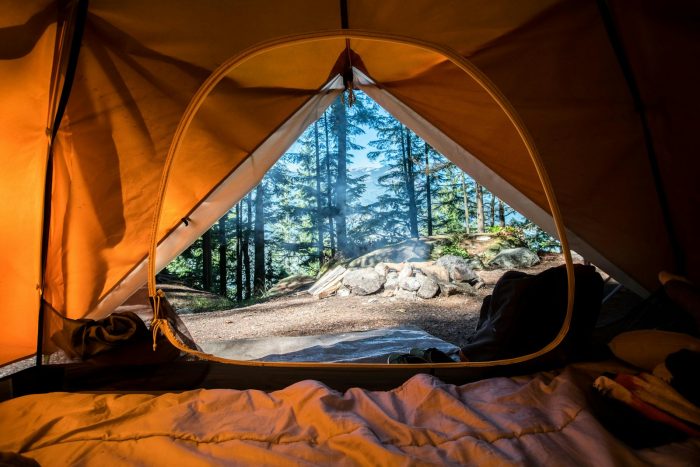
Uganda camping safaris are trips that involve staying in tented camps or mobile campsites within or near the country’s national parks and wildlife reserves. This type of safari focuses on immersing travelers in the natural surroundings while offering a more rugged and close-to-nature experience. These safaris allow participants to sleep under the stars, hear the sounds of wildlife at night, and explore the unique ecosystems of Uganda’s wilderness during the day.
What sets camping safaris apart from other safari experiences is their simplicity and focus on nature. Unlike traditional safaris, which may involve staying in hotels, lodges, or permanent luxury camps, camping safaris often use basic or semi-luxury tents that are temporary and portable. While some campsites offer amenities such as toilets, showers, and dining areas, others provide a more minimalistic experience, relying on campfires for cooking and basic facilities for hygiene.
The overall atmosphere of a camping safari tends to be more adventurous and intimate than other safari experiences. For example, instead of staying in a lodge with structured activities, visitors may have the flexibility to plan their day with their guides, explore less-crowded areas, and connect with the environment on a deeper level. It’s also a more affordable option compared to luxury safari lodges, making it ideal for budget-conscious travelers or those who prioritize the natural aspect of a safari.
Camping safaris in Uganda often include activities such as game drives, walking safaris, birdwatching, and cultural visits to nearby communities. This makes them an appealing choice for people who enjoy outdoor adventures and don’t mind simpler accommodations.
What are the best national parks and wildlife reserves in Uganda for camping safaris?
Uganda is home to several national parks and reserves that are ideal locations for camping safaris, each offering unique landscapes, wildlife, and activities.
One of the top options is Queen Elizabeth National Park, known for its diverse wildlife and ecosystems, including savannah, forests, and wetlands. Travelers can camp near areas where they might see elusive tree-climbing lions, elephants, hippos, and buffalos. The park also offers beautiful sites near the Kazinga Channel to enjoy views of aquatic animals.
Another standout destination is Murchison Falls National Park, where visitors can camp close to the Nile River and hear the roar of the iconic Murchison Falls. This park is home to giraffes, crocodiles, antelopes, and even lions, and it combines amazing landscapes with great game drives.
For those seeking primate encounters, Bwindi Impenetrable National Park is a great pick. This forested park is where visitors can see mountain gorillas during guided trekking expeditions. Camping here takes you into pristine forest areas and offers a true break from urban life.
Kidepo Valley National Park, located in the remote northeastern region of Uganda, is another gem for campers. The park offers dramatic views of rugged landscapes, plenty of wildlife such as lions and ostriches, and peaceful seclusion away from busier parks.
Lastly, Lake Mburo National Park is perfect for shorter camping safaris. It is known for its zebras, impalas, and birdlife. Its smaller size makes it easy to explore, especially for people combining it with other destinations.
Each park has designated campsites with varying levels of facilities, such as bush toilets and water supplies, allowing travelers to pick a level of comfort that suits them.
What wildlife and natural attractions can be experienced on a Uganda camping safari?
A Uganda camping safari offers a chance to see an incredible array of wildlife as well as stunning natural attractions. The country’s diversity in habitats, forests, savannahs, wetlands, and mountains, allows for sightings of some iconic species and landscapes.
One of the most extraordinary attractions is the opportunity to see mountain gorillas in Bwindi Impenetrable National Park or in Mgahinga Gorilla National Park. Trekking through dense rainforest to observe these endangered primates in their natural habitat creates a highly memorable moment.
Visitors can also look forward to observing classic African animals, such as elephants, buffalo, giraffes, lions, and leopards. A camping safari in Murchison Falls National Park, for example, often includes game drives where large herds of herbivorous animals, like antelope and Uganda kobs, roam freely. The Kazinga Channel in Queen Elizabeth National Park is another hotspot for seeing hippos, crocodiles, and water-loving birds.
Birdwatching is a highlight for many travelers. Uganda is home to over 1,000 bird species, including rarities like the shoebill stork, which can be spotted in areas such as the Mabamba Swamp near Entebbe. Other birds, like the grey crowned crane (Uganda’s national bird), can be found in savannah and wetland regions.
Natural attractions on these safaris include landmarks like Murchison Falls, where the Nile River plunges through a narrow gorge, as well as the Rwenzori Mountains, with glacier-capped peaks that contrast with the surrounding savannah. Lake Bunyonyi, recognized for its picturesque islands, is another incredible stop for campers who enjoy relaxing by the water.
Campers have the added advantage of experiencing the wilderness at night, hearing calls from nocturnal animals like hyenas and owls, and appreciating the starry skies free from city lights.
What is the best time of year to go on a camping safari in Uganda?
The best time to go on a camping safari in Uganda is during the dry seasons. Uganda has two dry seasons: the first runs from late December to February, and the second occurs from June to September. These dry periods are ideal for camping because there is less rain, making it easier to explore national parks and set up camp. Roads and trails are also more accessible, reducing the chance of vehicles getting stuck, which can be a common problem during the rainy season.
During the dry seasons, wildlife is more active and visible. Animals gather near water sources like rivers, lakes, and watering holes because water is scarcer. This makes it easier to observe animals such as elephants, lions, buffalos, giraffes, and a variety of antelope species. If you’re keen on gorilla trekking, these months are also favorable because hiking trails in forests like Bwindi Impenetrable National Park are less muddy and slippery.
Although Uganda is near the equator and has a generally mild climate, the rainy seasons (March to May and October to November) are less ideal for camping. Heavy rains can make trails in the national parks muddy and harder to navigate. Camping during these times increases the chances of dealing with flooding and uncomfortable camping conditions.
That being said, some travelers still visit during the rainy season due to fewer crowds and slightly reduced prices. However, they need to prepare for challenging conditions.
In summary, for good weather and excellent wildlife viewing, it’s ideal to plan your camping safari during Uganda’s dry seasons from late December to February or June to September.
What camping options are available during a Uganda safari (e.g., basic tents, luxury campsites)?
There are several camping options available during a Uganda safari, catering to different budgets and preferences.
One option is basic camping, which uses simple tents for accommodations. Visitors typically stay in small, portable tents that they either bring themselves or rent from tour operators. These setups often involve shared facilities, like basic toilets and showers, and are considered the most budget-friendly choice. Although simple, basic camping allows travelers to connect closely with nature.
Mid-range camping provides slightly better facilities. This may include larger tents with beds and basic furniture. Campsites under this category often provide shared bathrooms and outdoor dining areas. Some may include a camp chef who prepares hot meals, which is convenient for those who don’t want to bring their own food supplies.
For those seeking more comfort, there are luxury tented camps. These options combine a camping atmosphere with the convenience of hotel-like services. Luxury tents are spacious and may include comfortable beds, private bathrooms, electricity, and even Wi-Fi. These camps often have on-site restaurants, lounges, and sometimes even swimming pools. Staying here feels more like being in a high-end lodge, though you’re still in a tent.
Publicly managed campsites are another option in Uganda’s national parks. These campsites often provide basic amenities such as toilets, running water, and picnic areas, but their offerings are more modest compared to private camps.
In summary, whether you’re looking for the simplicity of basic camping or the luxury of a well-equipped glamping tent, Uganda offers options that fit various needs and budgets.
What safety precautions should be taken while camping in Uganda, particularly in areas with wildlife?
Safety is an important consideration when camping in Uganda’s wildlife-rich areas. One major concern is the presence of wild animals, so it’s essential to stay alert and follow guidelines.
First, always camp in designated areas. These sites are chosen because they are relatively safe and away from places frequently visited by dangerous animals like lions, leopards, or elephants. Avoid pitching tents randomly or near water sources, as wild animals often go there to drink.
When camping, it’s important to always listen to the guidance of park rangers or tour guides. They’re trained to handle wildlife encounters and can provide advice on how to minimize risk. It’s also helpful to know the basic safety instructions, like avoiding loud noises or sudden movements that may agitate animals.
Never leave food or trash exposed around the campsite as it can attract animals like baboons, hyenas, or even elephants. Use sealed containers or lockable storage for food, and make sure you dispose of trash responsibly in bins.
During the night, stay inside your tent unless absolutely necessary, and carry a flashlight in case of emergencies. Wild animals are more active after dark, and venturing out of the camp unaccompanied is risky. Many camps and national parks employ armed rangers or guards who patrol the area to ensure safety.
Another important precaution involves preventing insect-borne diseases like malaria. Use insect repellent, sleep under a mosquito net, and wear long-sleeved clothing at night. It’s also advisable to be vaccinated for yellow fever and take malaria prophylactics before traveling.
In conclusion, by camping in designated areas, keeping food secure, being alert, and following the advice of professionals, you can have a safer camping experience in Uganda while enjoying its incredible wildlife.
What is the cost range for Uganda camping safaris, and what factors can influence pricing?
The cost of Uganda camping safaris can vary widely based on several factors such as location, level of comfort desired, duration of the trip, and inclusions like meals, transport, and guided tours. On the lower end, a basic budget camping safari might cost between $50 and $100 per day, while mid-range options with better amenities might range from $100 to $200 daily. Luxury camping safaris, which include more extravagant setups, private guides, and gourmet meals, can go upwards of $300 per day.
Factors influencing pricing include the type of accommodation. Basic budget options use simple tents and shared facilities, while higher-end ones offer large canvas tents with private bathrooms. National park entry fees, which vary by park, also affect costs. For instance, entering popular parks like Queen Elizabeth or Murchison Falls could add $40 to $50 per person daily.
Transportation is a key cost driver too. Using rented 4×4 vehicles with fuel adds to the budget. Some travelers may also book packages that bundle transport and guides, which pushes the total price higher. Lastly, guided tours and additional activities, like chimpanzee trekking, boat safaris, or community visits, could involve extra fees ranging from $30 to $100, depending on the activity.
What essential gear and equipment should be packed for a camping safari in Uganda?
For a camping safari in Uganda, packing the right equipment is crucial for a safe and enjoyable experience. First, a good-quality sleeping bag suited for warm or cool climates is essential. Many areas can get chilly at night despite Uganda’s generally warm weather.
A sturdy, weather-resistant tent is needed if the safari service doesn’t provide one. Make sure it’s easy to set up and comes with a tarp or rainfly, as rains can be heavy in some regions. Comfortable and light clothing for daytime and warmer layers for nighttime are important. Neutral colors like beige and green are recommended to blend into nature and avoid disturbing animals.
Insect repellent is critical to protect against mosquitoes, as Uganda is a malaria-prone area. A good pair of hiking boots is helpful for trekking or walking through rough terrain. Portable cooking equipment such as a small stove, utensils, and non-perishable food are important when self-catering, but some safaris might include meals.
Other important items include a flashlight or headlamp with spare batteries, sunscreen, a reusable water bottle, and basic first-aid supplies. Binoculars and a camera with extra batteries are worthwhile for viewing and documenting wildlife. Waterproof bags or dry sacks are useful for keeping electronics and papers safe from unexpected rain.
Do you need a guide or specific permits for camping safaris in Uganda’s national parks?
Yes, guides and permits are often necessary or strongly recommended for camping safaris in Uganda’s national parks. Most national parks, such as Bwindi Impenetrable Forest or Kibale National Park, require permits for entry, which usually range between $40 and $50 per adult per day. Additional permits may be needed for specific activities, such as gorilla trekking, which costs $700 per person.
Having a guide is not always mandatory for general camping, but it is highly advisable. Guides provide knowledge about wildlife, safety tips, and aid navigation, ensuring a safer experience, especially in areas with wild animals like lions, elephants, or hippos. Some parks mandate the presence of an armed ranger when camping or hiking in certain areas to protect against animal encounters.
Even if you’re skilled in camping, hiring a local guide enriches the trip. They can interpret animal behavior, spot hidden wildlife, or share cultural and ecological insights about the area. Guides usually cost around $30 to $50 per day.
If you plan to camp outside designated campsites, permission must be secured from park authorities. This ensures safety measures, such as animal monitoring or assistance during emergencies. For a smooth process, always check park regulations and secure required permits ahead of time.
How do Uganda camping safaris contribute to ecotourism and wildlife conservation efforts?
Uganda camping safaris help ensure that tourism has a positive impact on the environment while supporting the protection of wildlife. Ecotourism focuses on responsible travel that benefits nature and the local communities living near these attractions.
By offering eco-friendly camping trips, Uganda encourages travelers to appreciate and respect the environment. Campsites are often designed to minimize damage to the land, using renewable materials, setting up in areas with minimal ecological impact, and employing waste management practices, such as composting toilets or controlled waste disposal. This helps prevent pollution in natural habitats.
Revenue from camping safaris often goes directly towards the conservation of wildlife in Uganda’s national parks and reserves, such as Murchison Falls or Bwindi Impenetrable Forest. Entrance fees, park permits, and portions of safari costs contribute to anti-poaching efforts, wildlife monitoring, and habitat restoration. For example, when you pay for a gorilla trekking permit in Bwindi, part of that fee supports mountain gorilla conservation programs.
Additionally, camping safaris provide job opportunities for local communities. Campsites hire guides, cooks, and staff from nearby villages, which helps reduce illegal hunting and deforestation since locals can earn sustainable income through tourism. Partnerships between park authorities and communities also promote education about the importance of preserving Uganda’s biodiversity.
Eco-tourists often learn about endangered species and conservation challenges firsthand, raising awareness worldwide about the need to protect these ecosystems. It’s a cycle: more awareness leads to more visitors, which supports continued conservation funding.
By choosing a camping safari operator that follows eco-friendly practices, you can make a direct contribution to protecting Uganda’s wildlife and ecosystems for future generations.
What local cultural experiences can be integrated into a Uganda camping safari?
During a Uganda camping safari, visitors have opportunities to engage with local cultures and traditions, enhancing their overall trip with meaningful cultural exchanges. Uganda is home to diverse ethnic groups, each with its unique language, customs, food, and dances.
One common cultural experience is visiting nearby villages or community projects. For instance, some safari operators organize trips to Batwa communities, also known as the “forest people,” who live near Bwindi Impenetrable National Park. You can learn about their traditional way of life, hear stories passed down through generations, and watch demonstrations of their hunting and gathering practices.
While camping around Queen Elizabeth National Park, many visitors participate in local crafts and skills workshops. Women’s groups in the area often teach travelers how to weave baskets or make jewelry using traditional methods. Purchasing these handmade items also supports local artisans financially.
Food is another way to experience Ugandan culture. Many safaris integrate meals made with local recipes, like matoke (a banana-based dish), luwombo (a stew cooked in banana leaves), or roasted groundnuts. Travelers may even have a chance to cook alongside locals, learning the preparation methods firsthand.
Traditional music and dance performances are commonly arranged for visitors, particularly in locations like the Kidepo Valley, where the Karamojong people perform elaborate dances involving vibrant costumes. These performances often tell stories about the group’s history, heritage, or relationship with the wilderness around them.
For those interested in Uganda’s history, some regions include visits to sites of cultural or spiritual importance. In the Bunyoro Kingdom, you may find ancestral shrines or palaces with guides who describe their significance.
These cultural activities not only enrich your experience but also encourage respectful interactions between tourists and local communities, creating benefits for both.
What are the transportation options for reaching camping safari destinations in Uganda?
Reaching camping safari destinations in Uganda requires a combination of air, road, or sometimes water transportation, depending on the park or reserve’s location. Uganda’s infrastructure has improved in recent years, making travel more accessible, though some remote areas are still best reached with proper planning.
Most international travelers typically start in Uganda’s capital, Kampala, or nearby Entebbe, where the major airport is located (Entebbe International Airport). From there, you can choose between the following options:
- By Road: Road travel is the most common and economical way to reach Uganda’s national parks. Safaris often include vehicles like 4×4 Land Cruisers or vans equipped for rough terrain, as many of the roads leading to parks are unpaved. For example, it takes approximately 5-6 hours to drive from Kampala to Queen Elizabeth National Park. Road travel allows you to see small towns, local markets, and landscapes as you move between destinations.
- By Air: For travelers looking to save time, domestic flights are available to many national parks. Airlines like Aerolink and Eagle Air operate flights between Entebbe or Kampala and areas such as Bwindi, Kidepo Valley, or Murchison Falls. Flights are often small charter planes, and while more expensive than driving, they reduce travel time significantly.
- By Water: In certain areas, water transportation may be part of the journey. For instance, reaching some campsites on Lake Victoria’s islands or areas near the Nile River may involve a short boat ride. Similarly, some safaris along Murchison Falls use boat cruises to explore areas that can’t be accessed by land.
Travel operators typically organize these details to ensure that travelers can safely and efficiently reach their destinations. Budget and preferences will influence whether you opt for road trips, flights, or a mix of both.
How To Book Your Uganda Safaris
Now that you know the ‘what,’ ‘how,’ and ‘why’ of Uganda Camping Safaris, what makes them magical, how to prepare, and why they’re perfect for an unforgettable adventure, it’s time to turn your dreams into reality! Booking is easy.