Hiking safaris in Uganda offer unique opportunities to explore its diverse landscapes and wildlife on foot. Popular destinations include Rwenzori Mountains National Park, home to Africa’s third-highest peak; Mgahinga Gorilla National Park, where trails lead through bamboo forests to see gorillas; and Mount Elgon National Park, known for its ancient volcanic features. Activities range from challenging mountain treks to moderate nature walks in areas like Bwindi Impenetrable Forest, also famous for gorilla trekking. These safaris can complement Tanzania safaris, providing a varied East African adventure with both wildlife and scenic beauty. Remember to carry proper gear and hire guides for safety and the best experience.
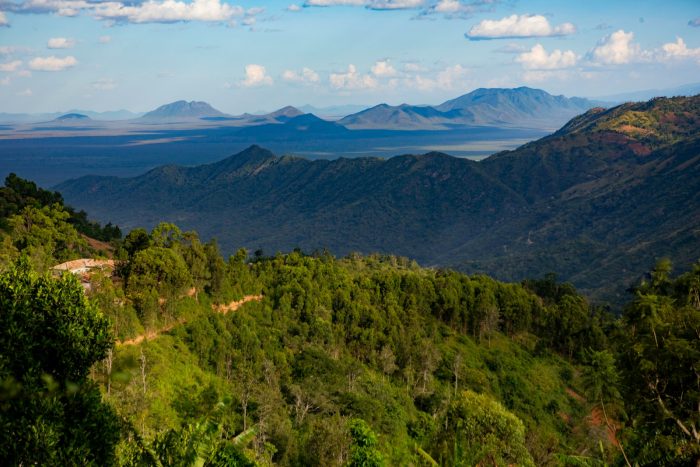
What is a hiking safari, and how does it differ from a traditional safari in Uganda?
A hiking safari is an outdoor experience where tourists explore Uganda’s natural beauty by walking through trails, forests, and landscapes, usually in protected areas like national parks or reserves. Unlike traditional safaris, which often involve driving in a 4×4 vehicle to see wildlife, a hiking safari focuses on exploring areas on foot. This allows participants to connect more closely with the environment, move at their own pace, and observe fewer obvious aspects of nature like plant life, insects, and smaller animals that are often overlooked during vehicle-based safaris.
For example, in a traditional safari in Uganda, visitors might drive through Queen Elizabeth National Park to view large animals like lions, elephants, and antelope from the safety of their vehicle. In contrast, a hiking safari might take visitors along a forest trail in Bwindi Impenetrable National Park, where they might spot gorillas, a variety of birds, and unique plant species up close that you wouldn’t notice from a vehicle. Hiking also allows for access to areas inaccessible by cars, such as mountain ranges or dense woodlands.
While traditional safaris are typically suited for people who want comfort and minimal physical activity, hiking safaris are more active and involve walking for several hours at times. They often cater to smaller groups since the trails can pass through sensitive ecosystems that can’t support large crowds. Traditional safaris are more common but expect to see more intimate and detailed environments through hiking.
What are the most popular hiking safari destinations in Uganda?
Uganda has several outstanding destinations for hiking safaris, each providing unique scenery and biodiversity. One of the most popular places is Bwindi Impenetrable National Park, known for its gorilla trekking experiences. This park, a UNESCO-listed site, boasts thick forests and rugged terrain, making it ideal for adventurers who want to hike while observing mountain gorillas in their natural habitat. A Uganda safari here allows visitors to encounter incredible wildlife while immersing themselves in the magical rainforest.
Another sought-after location is Rwenzori Mountains National Park, famous for the Rwenzori mountain range, also called the “Mountains of the Moon.” These mountains are perfect for multi-day hikes that expose hikers to glaciers, waterfalls, and diverse plant zones. The peaks here are particularly popular among experienced hikers and mountain climbers looking for a thrilling adventure.
Mount Elgon National Park is another destination suited for hiking safaris. Located on the border of Uganda and Kenya, Mount Elgon offers trails for various skill levels, including one that leads to the Wagagai Peak, one of the highest points in the region. The park is also home to unique caves, waterfalls, and ancient fig trees, making it a great spot for nature enthusiasts.
For those looking for shorter or less strenuous hikes, the trails along the shores of Lake Bunyonyi or within the Mabira Forest offer equally rewarding walks with the opportunity to view birds, lush vegetation, and panoramic water views. These areas are perfect for those interested in a Uganda gorilla safari experience without the intensity of longer treks.
These destinations offer trails suited to both beginners and seasoned hikers, with some specialized routes focusing on either wildlife spotting, challenging terrains, or scenic views, ensuring every visitor can find a suitable adventure in Uganda’s diverse parks.
What wildlife and natural features can be experienced during a hiking safari in Uganda?
Hiking safaris in Uganda provide an up-close look at incredible wildlife, plants, and geographical features not always visible on other types of safaris. One of the most iconic highlights is the opportunity to see mountain gorillas, especially in Bwindi Impenetrable National Park, a UNESCO World Heritage Site. While on foot, you could encounter other primates, such as chimpanzees, colobus monkeys, and baboons, depending on where you hike. This gorilla trekking adventure offers a thrilling experience for nature enthusiasts.
Birdlife is abundant in Uganda, with thousands of species to observe during hiking. For instance, the Rwenzori Mountains and Mabamba Swamp are excellent places to spot rare species like the shoebill stork. These hikes also provide a gateway to learning more about bats and small reptiles, enhancing your safari tour experience.
Natural features stand out greatly during a hiking safari. Hiking through the Rwenzori Mountains means you might walk around alpine plants, glacial lakes, and rocky ridges. At Mount Elgon, you’re likely to encounter waterfalls like Sipi Falls, volcanic formations, and lush forests filled with age-old trees. Additionally, valleys with bamboo, heath, moorland zones, and unique vegetation dominate the scenes in some parks, showcasing Uganda’s diverse wildlife.
Even smaller details, such as flowers, mosses, and fungi in wetter regions like Budongo Forest, can be mesmerizing, showing just how diverse Uganda’s environment is. This rich ecology makes Uganda a top destination for those seeking an unforgettable gorilla safari experience.
What is the best time of year to go on a hiking safari in Uganda?
The best time to embark on a gorilla safari in Uganda is during the dry seasons, which occur from December to February and from June to August. These months not only provide favorable weather conditions with less rain but also make the trails less muddy and easier to navigate. This is particularly crucial for hiking safaris, as heavy rains can render trails slippery and challenging, hindering the amazing gorilla trekking experience that many seek in this beautiful country.
During the dry seasons, the clarity of the trails enhances the overall hiking experience, allowing for more stable paths and uninterrupted journeys through lush rainforests and hills. Moreover, wildlife observation opportunities improve significantly, as animals tend to gather around water sources during these drier months. For instance, in locations like Bwindi National Park, the dry seasons facilitate enjoyable treks, allowing hikers to fully appreciate the incredible wildlife and stunning scenery without the interference of sudden downpours or mist obscuring their views.
While the dry seasons are optimal for a Uganda safari, it is essential to remember that Uganda is located near the equator, which means unexpected weather changes can still occur. Therefore, packing waterproof gear and layered clothing is advisable, ensuring a comfortable adventure amidst the diverse wildlife and breathtaking landscapes.
What permits or registrations are required for hiking safaris in Uganda?
Many hiking safari destinations in Uganda require permits or prior registration to help organize and regulate the flow of visitors. For example, if you plan to hike in national parks such as Bwindi Impenetrable Forest, the Rwenzori Mountains, or Mt. Elgon, you must obtain entrance permits. These are usually issued by the Uganda Wildlife Authority (UWA).
Specific types of hikes may require additional permits. For instance, if gorilla trekking is part of your hiking plan in Bwindi or Mgahinga National Parks, you must secure a separate gorilla trekking permit. As of recent years, these permits cost approximately $700 for foreign visitors, though this can vary based on residency status. For treks in areas like the Rwenzori Mountains, a range of fees may apply, covering guides, camping arrangements, and support staff like porters.
It’s good to contact the UWA or reliable tour operators well in advance to find out what specific permits are needed. Keep in mind that some activities, like gorilla trekking, have limited slots available, so plan months beforehand to secure your spot.
How physically demanding are hiking safaris, and what level of fitness is needed?
The difficulty of hiking safaris in Uganda largely depends on the destination and intended routes. For instance, hikes in places like Bwindi National Park or Murchison Falls may include gentle to moderate trails, with slight inclines and uneven terrain. These can be manageable for most people with average fitness levels. Conversely, more challenging routes, such as those in the Rwenzori Mountains, involve steep ascents, long distances, and tough terrain, necessitating excellent physical fitness and stamina for a successful Uganda gorilla safari.
For an incredible wildlife experience, gorilla trekking hikes typically entail longer walks through lush rainforests or climbing steep hills, so at least moderate physical preparedness is recommended. Many treks can last 2-5 hours, depending on wildlife movement and group pace, making it essential for participants to be ready for a thrilling adventure.
If you plan on advanced or high-altitude treks, like summiting Mount Stanley in the Rwenzori Mountains, strength, endurance, and prior hiking experience are strongly encouraged. These treks may take multiple days, and factors such as altitude sickness and extreme weather could pose additional challenges, especially during a mountain gorilla trekking experience.
Building physical endurance before a hiking safari is beneficial. Activities like walking, jogging, or stair-climbing can prepare your body for the rigors of a safari tour. Consulting a doctor if you have any pre-existing health issues or concerns is also sensible before attempting more strenuous hikes, ensuring a safe and enjoyable adventure in Uganda’s breathtaking landscapes.
What should one pack for a hiking safari in Uganda?
When preparing for a hiking safari in Uganda, it’s important to pack items that will keep you comfortable, safe, and well-prepared for the activities and the environment. Here’s what to bring:
First, sturdy hiking boots are essential. Comfort and support during long walks on rugged or uneven terrain are critical, so choose boots that fit well, are broken in, and offer good ankle support.
Second, clothing should include lightweight, long-sleeved shirts and long pants to protect you from the sun, insects, and thorny plants. Adding a wide-brimmed hat and sunglasses will shield your face from the intense equatorial sun. Layering options, like a lightweight jacket, are useful for cool mornings or higher altitudes.
Next, pack adequate rain gear, such as a waterproof jacket or poncho. Uganda’s weather can change quickly, and you may encounter unexpected rain during your hike. A dry bag or rain cover for your backpack will protect your belongings.
Carrying enough water is vital to prevent dehydration. A reusable water bottle or hydration pack is convenient for accessibility. Additionally, energy snacks like granola bars can keep you fueled during long treks.
Don’t forget personal essentials like sunscreen, insect repellent, and any prescribed medications. A small first-aid kit with items like bandages, antiseptics, and blister treatments is also useful in case of minor injuries.
Some other must-have items include a headlamp or flashlight, a good-quality camera to capture moments, and a lightweight daypack to carry all your gear.
Miscellaneous items include binoculars for birdwatching, a guidebook if you’re interested in identifying wildlife, and a notebook or journal for personal notes.
Lastly, pack a sense of adventure! Being well-prepared will ensure you can focus on enjoying the hike rather than worrying about what’s left behind.
Are hiking safaris in Uganda guided, and how knowledgeable are the guides?
Most hiking safaris in Uganda, particularly those focused on gorilla safaris, are guided, and the guides play a significant role in enhancing your experience. These guides are usually well-trained, certified, and highly knowledgeable about the areas they cover. Their expertise is invaluable for a successful Uganda gorilla safari, as they can provide insights into the incredible wildlife and lush rainforests that characterize the region.
Guides in Uganda often have deep expertise in wildlife, plant species, and the local ecosystems. They are familiar with animal behaviors and habitats, which makes the hike safer and more enriching. For instance, a guide can help identify bird calls, spot camouflaged animals in the forest, or explain the natural processes occurring around you, all of which contribute to a memorable gorilla trekking experience.
Cultural knowledge is another strength many guides possess. They often share insights about the customs, history, and traditions of the local communities living near the hiking areas. This adds value to the safari as it creates a deeper connection to the region beyond its natural beauty, especially during gorilla tours that highlight the importance of gorilla conservation.
An experienced guide also plays a critical role in maintaining safety during the hike. They are trained to recognize potential dangers, such as wildlife threats, slippery paths, or sudden weather changes, and know the appropriate actions to take to ensure everyone’s well-being.
For example, during a hike in Bwindi Impenetrable Forest, they may know how to signal to mountain gorillas in a non-threatening manner. Similarly, in Queen Elizabeth National Park, they might know the best ways to avoid close encounters with large mammals like elephants or buffaloes, enhancing the overall safari tour experience.
Additionally, hiking guides in Uganda are skilled at reading the group’s pace and fitness levels. They ensure that everyone remains comfortable and can enjoy the journey, whether it’s a short nature walk or a challenging multi-day trek through the magical rainforest.
Opting for guided hiking safaris provides the added benefit of gaining a deeper understanding of the surroundings while also ensuring your safety throughout the journey, making it an unforgettable adventure in the heart of East Africa.
What safety measures or precautions should be taken on a hiking safari in Uganda?
Safety on a hiking safari is important and requires attention to a few key guidelines to ensure a secure experience.
First, always listen to your guide. Guides are trained professionals who understand the environment and are there to keep you safe. Whether it’s following instructions about wildlife encounters or sticking to designated trails, their advice is crucial.
Second, dress appropriately for the conditions. Long sleeves, pants, and proper boots protect against scratches, harmful plants, and insect bites. Carrying rain gear and an extra layer will prepare you for changing weather conditions, which can be sudden, especially in higher altitudes or forested regions.
Hydration is vital to avoid exhaustion or dizziness during physically demanding hikes. Carry sufficient water to meet your needs, and take regular breaks to stay energized.
Another key precaution is avoiding any interaction with wild animals. While it’s exciting to spot animals up close, maintain a safe distance at all times to prevent potentially dangerous situations. Avoid sudden movements or noises that could provoke an animal’s curiosity or defense drive.
Insect protection is important, especially for mosquitoes, which may carry diseases like malaria. Use insect repellent and consider taking anti-malarial medication.
Trails in places like Uganda’s national parks can be steep, muddy, or slippery. Take each step carefully and use trekking poles if needed to maintain balance.
In case of minor injuries or discomfort, having a small first-aid kit on hand is useful. Ensure it includes items like bandages, antiseptic cream, pain relievers, and blister patches.
Lastly, know your limits and communicate with your guide if you feel unwell, tired, or notice anything unusual. Identifying and addressing issues early is key to preventing larger problems later.
Can hiking safaris be combined with other activities, such as gorilla trekking or cultural tours?
Yes, hiking safaris in Uganda can be combined with other activities to create a more varied and enriching experience. Combining activities allows visitors to explore the country’s wildlife, landscapes, and local traditions within one trip.
For example, a hiking safari in Mgahinga Gorilla National Park or Bwindi Impenetrable National Park can be paired with gorilla trekking. Gorilla trekking typically involves hiking through forests to find and observe mountain gorillas in their natural habitat. Since these national parks already have well-developed hiking trails, visitors can enjoy general nature hiking and specific treks to encounter the gorillas.
Cultural tours are another popular addition to hiking safaris. Visitors may take part in guided visits to nearby communities where they can learn about the traditions of local tribes such as the Batwa people. These tours often include demonstrations of traditional crafts, songs, dances, and food preparation. For instance, after trekking in Bwindi, travelers may meet Batwa guides who share their cultural history and survival skills.
Other activities that complement hiking safaris include birdwatching, game drives, boat safaris, and chimpanzee trekking. For example, travelers hiking in Kibale Forest National Park can also trek to spot chimpanzees and other primates. In Queen Elizabeth National Park, hikers might follow this with a boat trip on the Kazinga Channel to see hippos and aquatic birds.
Combining activities does require planning. Time for recovery between physical activities like hiking and trekking should be considered. Choosing the right locations based on proximity to reduce travel times is also important. Tour operators can help organize itineraries that balance various activities, accommodating individual interests and activity levels.
What accommodations are available during multi-day hiking safaris in Uganda?
Multi-day hiking safaris in Uganda offer a range of accommodations to suit different preferences and budgets. These accommodations range from basic campsites and community homestays to more luxurious lodges and eco-resorts, catering to those embarking on a thrilling adventure through the lush rainforests.
For travelers seeking an authentic and affordable experience, basic campsites and budget lodges are readily available. In these cases, hikers may stay in tents set up at campsites near national parks and hiking areas. These campsites often provide minimal but essential facilities, such as shared bathrooms and dining areas. For example, during a hiking safari in Rwenzori Mountains National Park, there are camps along the trails maintained by the Uganda Wildlife Authority where visitors can sleep after a day’s hike.
Another option is staying in community-run lodges or homestays. These accommodations directly benefit local communities and provide a cultural connection. For instance, the Batwa Pygmy community near Bwindi Impenetrable National Park offers homestays, where visitors can learn about their traditional lifestyle while having an affordable place to spend the night, enhancing their gorilla safari experience.
For those seeking more comfort, mid-range lodges and cabins offer slightly upgraded options. These establishments provide comfortable beds, private bathrooms, and some dining services. Locations such as Buhoma in Bwindi often feature eco-friendly mid-range lodges that cater to hikers.
On the high end, Uganda has several luxury lodges and boutique eco-resorts located in or near hiking areas. These accommodations offer upscale services, such as en-suite bathrooms, gourmet meals, and stunning views of the surrounding wilderness. At these luxury lodges, such as Clouds Mountain Gorilla Lodge in Bwindi, hikers can relax in style after their expeditions, making the Uganda gorilla safari even more memorable.
Travelers should book in advance, especially in peak seasons. It is also wise to check if your accommodations provide essentials such as meals or gear storage, which can make multi-day hikes more convenient and enjoyable for those exploring the incredible wildlife of Uganda.
How does one plan and book a hiking safari in Uganda, including costs and best tour operators?
To plan a hiking safari in Uganda, it is important to decide on the locations of interest, the duration of the trip, and the type of experience desired. National parks like Bwindi, Mgahinga, Rwenzori Mountains, and Mount Elgon are popular for hiking and gorilla safaris, so identifying the park and its offerings is a good first step.
Next, travelers should determine the permits and logistics needed for their hikes. For instance, gorilla trekking permits for Bwindi or Mgahinga need advance booking because they are limited and in high demand. The Uganda Wildlife Authority often facilitates park entry permits, special hiking fees, and camping arrangements for national parks, ensuring a smooth experience for those interested in gorilla tours.
Choosing an experienced tour operator can simplify much of the planning. Many tour operators offer packages that include guided hikes, transportation, accommodations, and permits. Some of the well-known operators in Uganda include Wild Frontiers Uganda, Primate Safaris, and Uganda Wildlife Safaris. Each operator has a different focus, with some specializing in eco-friendly adventures and others offering higher-end luxury experiences, perfect for those seeking a blissful Uganda gorilla safari. Online reviews and recommendations can help select the best match for your preferences.
Costs for hiking safaris can vary widely based on factors such as location, length of the safari, accommodation type, and desired activities. A basic hiking safari may cost between $100 and $200 per day, while luxury options can go beyond $500 per day. Gorilla trekking permits alone cost $700 per person for foreign non-residents, so including them in the itinerary significantly impacts the budget.
Booking is best done several months in advance, especially for popular activities like gorilla trekking. In addition to tour operator packages, independent travelers may directly book permits, accommodations, and transportation but should be prepared for more complex logistical arrangements. A detailed packing list, travel insurance, and physical preparation are all part of adequately planning a hiking safari in Uganda, ensuring an unforgettable experience amidst the lush rainforests and incredible wildlife.
How To Book Your Uganda Safari
Exploring the incredible hiking safaris in Uganda, especially a thrilling gorilla safari, is an unforgettable experience! This article answers the ‘what,’ ‘how,’ and ‘why,’ detailing what makes these safaris so magical and providing tips for beginners to be well-prepared. Ready to take the next step? Let experts guide you to the adventure of a lifetime, including the chance for an amazing gorilla trekking experience. Click here to connect with the Best Safari Companies in Uganda and start planning your personalized hiking safari in Uganda today. Adventure awaits, don’t miss it!