Chimpanzee trekking in Uganda offers a unique opportunity to observe these primates in their natural habitats. The top destinations for this activity include Kibale National Park, Budongo Forest Reserve, and Kyambura Gorge. Treks typically last 2-4 hours, guided by experts who help visitors locate chimpanzee groups. Best times for trekking are during Uganda’s dry seasons (June-August and December-February). Permits are required and cost around $200 per person. This activity can be combined with gorilla trekking in Bwindi Impenetrable Forest. Proper preparation, including sturdy footwear and lightweight clothing, ensures a rewarding trek.
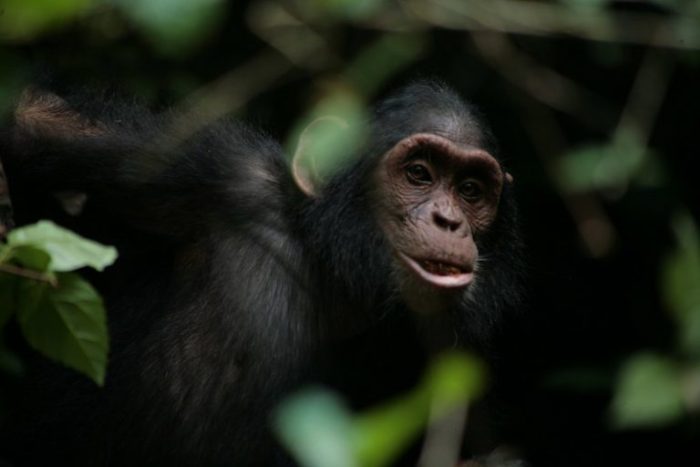
What is chimpanzee trekking, and how does it differ from other wildlife experiences?
Chimpanzee trekking is an activity where people visit forests and natural habitats to observe chimpanzees in the wild. Unlike watching animals in a zoo or on a safari, trekking involves walking through the forest to find these primates in their natural environment, which can make the experience feel more dynamic and engaging. Trained guides lead the group, using knowledge of the area and the chimpanzees’ habits to locate them.
Chimpanzees are social animals that live in groups, and observing them can provide insight into their behavior, including communication, grooming, and feeding routines. Since these animals are closely related to humans, their interactions and mannerisms often feel relatable, adding to the appeal of the experience.
What sets chimpanzee trekking apart from other wildlife experiences is the physical aspect and the proximity to the animals. For example, a typical safari involves driving through open spaces to view animals like lions or elephants from a vehicle. With chimpanzee trekking, participants move on foot through dense forest, with sights and sounds of the wild adding to the atmosphere. The focus is also more specific – rather than looking for a variety of animals, the aim is to track and observe chimpanzees.
An example of such trekking could be done in Kibale National Park in Uganda, where guides take small groups through the rainforest to locate chimpanzee troops. Unlike gorilla trekking, which may feel more exclusive due to the critically endangered status of mountain gorillas, chimpanzee trekking is slightly more accessible due to the larger population of chimpanzees in some regions.
Where in Uganda can you go chimpanzee trekking?
Uganda offers several locations for chimpanzee trekking, each with its own unique environment and characteristics. One of the most well-known places is Kibale National Park, often called the “primate capital of the world.” This park harbors the highest concentration of primates in Africa, with a large population of habituated chimpanzees that visitors can observe. The forest has well-defined trails, which makes trekking relatively straightforward.
Another key location is Budongo Forest Reserve, located near Murchison Falls National Park. This area is particularly appealing for those who want to combine chimpanzee trekking with general wildlife viewing, as Murchison Falls offers opportunities to see a variety of animals, such as hippos and crocodiles, in addition to chimpanzees.
Kyambura Gorge, located in Queen Elizabeth National Park, is another trekking spot in Uganda. Here, the chimpanzees live in a beautiful, steep valley surrounded by savannah. Though the groups here are smaller and harder to locate compared to Kibale, the dramatic landscape makes the experience special.
Finally, there is Kalinzu Forest Reserve, which is near Queen Elizabeth National Park. Kalinzu provides a somewhat less crowded trekking experience and is often considered a budget-friendly alternative to the larger parks. As an added benefit, the reserve also has other wildlife and a variety of bird species for visitors to enjoy.
Each location has its own advantages and may cater to different preferences. Kibale’s habituated groups make it a prime choice for first-time trekkers, while Budongo and Kalinzu offer different forest experiences and may appeal to adventurers seeking diversity.
What is the best time of year for chimpanzee trekking in Uganda?
The best time for chimpanzee trekking in Uganda typically coincides with the dry seasons, which are from December to February and from June to August. During these periods, the weather is more predictable, with less rainfall, making the trekking routes easier to navigate. Wet and muddy trails can make trekking more challenging, so many visitors prefer these dry months.
The dry seasons also mean that chimpanzees tend to gather in larger groups closer to the ground, rather than scattering high up in the trees. This increases the chances of sightings and allows for longer observation periods. Additionally, the overall weather during these months is more favorable for outdoor activities, with cooler temperatures in the morning and evening.
However, some travelers also visit during the transitional months or wet seasons, as these periods have their own advantages. For example, from March to May and September to November, Uganda experiences heavier rainfall, which can make trekking harder, but these months often have fewer tourists. With fewer groups in the forests, the experience might feel more serene and less crowded.
The wet season is also when the forests are greener and more lush, offering better opportunities for photography. Wildlife other than chimpanzees tends to be more active during this time as well, which can enhance the overall trekking adventure.
Ultimately, choosing when to go depends on personal priorities. If avoiding mud and maximizing the likelihood of seeing chimpanzees is the main goal, sticking to dry season months is a wise choice. Those who don’t mind a bit of rain and prefer quieter trekking experiences may find the wet season more appealing.
How much does chimpanzee trekking cost in Uganda?
The cost of chimpanzee trekking in Uganda varies based on the location and whether you are a foreign visitor, a resident of East Africa, or a Ugandan citizen. The main places for chimpanzee trekking, such as Kibale National Park, Budongo Forest, Kyambura Gorge, and Kalinzu Forest, have different pricing.
In Kibale National Park, considered the most popular destination for chimpanzee trekking, permits for foreign non-residents cost $200 per person. People who are residents of East African countries usually pay less, around $150. Ugandans or East African citizens generally pay an even smaller fee, closer to $100 or less.
For areas like Budongo Forest and Kalinzu Forest, the prices tend to be lower. Budongo Forest has permits costing approximately $100 for foreign non-residents, while Kalinzu is an affordable alternative, costing typically around $50 per person for foreign visitors.
It’s important to remember that these costs generally do not include additional expenses like transportation, accommodation, meals, or guiding fees to reach the trekking site or surrounding areas. Some trekking packages include these costs, so total expenses might be higher depending on the package options.
What permits are required for chimpanzee trekking, and how can you obtain them?
To go on a chimpanzee trek in Uganda, you need to purchase a chimpanzee trekking permit. These permits act as your official authorization to join organized trekking activities in selected forests.
You can obtain permits by booking directly with the Uganda Wildlife Authority (UWA) or through a licensed tour operator. For Kibale National Park, the Uganda Wildlife Authority is a common place to source permits, and tour operators frequently handle booking arrangements for convenience.
It’s best to book your permit well in advance, especially during peak seasons like June to September or December to February, because availability is limited and demand is often high. Bookings can typically be made online via UWA or through tour companies that act as intermediaries. Payments are generally made in U.S. dollars, and many organizations accept both bank transfers and credit cards for convenience.
When booking, you’ll need to specify the trekking location (e.g., Kibale, Budongo, etc.) and pick a date for your trek. Each permit is issued for a specific date and session (e.g., morning or afternoon trekking), so planning ahead with your schedule in mind is essential.
How physically demanding is chimpanzee trekking, and what level of fitness is required?
Chimpanzee trekking involves hiking through forested terrains in search of chimpanzee groups in their natural habitats. The level of difficulty can depend on several factors, including the location of the park, the weather conditions, and the current location of the chimpanzees, which may require long walks to find.
In Kibale National Park, terrain can be uneven with some gentle slopes, though the park is regarded as easier compared to hillier areas like Budongo Forest. On average, treks can last anywhere from 2 to 4 hours, which might include hiking for long stretches or navigating through thick forests.
Rainy seasons (March to May and October to November) can make trails slippery and muddy, increasing the physical challenge. Trekking during the dry season tends to be less demanding.
While a high level of fitness is not necessary, a basic level of physical readiness is recommended. For example, if you can comfortably walk several kilometers, handle light elevation changes, and manage uneven surfaces, you’ll likely do just fine. Older individuals and children often succeed in these treks as well, but participants with existing health or mobility concerns should consult their guides and perhaps opt for easier trekking routes.
Light physical preparation before your trip, such as walking or hiking in your local area, could be useful for getting acclimated to the activity.
What should you wear and bring with you for a chimpanzee trekking experience?
When preparing for chimpanzee trekking, what you wear and bring can impact how comfortable and prepared you feel during the experience. Since treks often take you through forest environments, it’s important to dress appropriately for the terrain, weather, and potential challenges like insects or plants.
Start with comfortable, lightweight, and breathable clothing. Long-sleeved shirts and long pants are highly recommended to protect from scratches, insect bites, and thorny plants in the forest. Neutral or earthy colors like green, brown, or khaki are usually preferred because they help you blend in with the environment, reducing the chance of disturbing the animals.
A wide-brimmed hat or cap is useful to shield your face from the sun, while a lightweight rain jacket can be important if trekking during rainy conditions.
For footwear, sturdy hiking boots with good grip should be worn as the trails can be muddy and uneven. Wearing thick socks can also help prevent bugs such as ants from biting your legs.
In terms of gear, a small backpack is helpful to carry essentials. In this bag, pack water to stay hydrated and snacks for energy, but be aware that they cannot be consumed near the chimpanzees. A pair of durable gloves can protect your hands if you need to grip onto vegetation for stability.
Don’t forget sunscreen, mosquito repellent, and a first aid kit with basics like band-aids or antiseptic wipes. Binoculars can enhance sightings, especially if the chimpanzees are high up in the trees, and a camera with a zoom lens is ideal for capturing photos without getting too close.
These preparations ensure you’re well-equipped while respecting the environment and wildlife.
What is the typical duration of a chimpanzee trekking trip?
Chimpanzee trekking trips can vary in duration depending on the specific location, park regulations, and the time it takes to locate the primates. On average, the trekking experience usually lasts between 2 to 4 hours, but it can sometimes go longer, depending on how easy or difficult it is to find the group of chimpanzees.
The trek is divided into two main parts. The first part involves navigating through the forest to locate a habituated group of chimpanzees. Habituated groups are those accustomed to human presence, which allows visitors to observe them without causing alarm. Specialized guides help lead the trek, as they are skilled at identifying clues, such as sounds or signs of recent chimpanzee activity (like broken branches or fresh droppings). This search often takes between 1 to 3 hours.
Once the chimpanzees are found, there is a strictly regulated period of time that trekkers are allowed to spend observing them, usually around one hour. This limit is set to avoid disturbing the chimpanzees’ routines while still allowing people to enjoy watching them interact, feed, or move through their natural habitat.
It’s important to keep in mind that the duration of the trek can occasionally be unpredictable. Factors like weather, terrain, or how far the chimpanzees have moved since the last sighting can make the trek shorter or longer than planned.
If you’re planning a chimpanzee trekking trip, budget at least half a day to ensure you have enough time for both trekking and returning. Some treks are conducted in the morning, and others in the afternoon, giving flexibility to those who may prefer a specific timeframe.
Are there restrictions on the number of visitors or time spent with the chimpanzees?
Yes, strict restrictions are in place for the number of visitors allowed and the time spent with the chimpanzees. These regulations aim to minimize the impact of human activity on the primates and their environment while offering visitors an opportunity to observe them responsibly.
Typically, groups are limited to about 6–8 visitors at a time. This small group size reduces the risk of overwhelming the chimpanzees, helps hike through the forest more quietly, and minimizes the strain on their habitat. Larger groups can elevate stress levels for the animals and interfere with their natural behaviors, so this cap is strictly enforced.
The time spent with a group of chimpanzees is also controlled, with visitors allowed approximately one hour of observation once they are located. This ensures that while visitors can enjoy watching the animals, the chimpanzees’ daily routines, such as feeding or socializing, are not overly disrupted. This one-hour rule also reduces the risk of spreading human diseases to the chimpanzees, as they are vulnerable to infections that humans might carry.
In addition to these restrictions, trekkers must maintain a minimum distance (usually around 7 meters or ~23 feet) from the chimpanzees during the encounter. This distance further protects the primates from distress and potential illness transmission.
These guidelines are carefully managed by conservation authorities and trained guides who accompany trekkers. Their role is to enforce rules, answer questions, and ensure that the experience is safe for both visitors and chimpanzees.
By respecting these restrictions, visitors help contribute to the long-term conservation of these remarkable primates and their habitats.
What safety precautions should you be aware of while trekking?
Chimpanzee trekking can be a rewarding experience, but it is important to stay safe during the activity since it involves walking through natural habitats like forests and being near wild animals. Here are some key safety precautions to know:
- Follow the guide’s instructions at all times: Trained guides know the terrain, forest trails, and chimpanzee behavior. Trusting their advice ensures both your safety and the safety of the animals.
- Maintain a safe distance from the chimpanzees: You should stay at least 7-10 meters (about 23-33 feet) away from the chimpanzees. This reduces the possibility of spreading human illnesses to them and ensures your safety, as they are unpredictable wild animals.
- Avoid sudden movements or loud noises: Stay calm and quiet, as loud noises or rapid movements may provoke the chimpanzees or disturb their behavior.
- Do not eat, drink, or smoke near the chimpanzees: Human food and scents can alter chimpanzee behavior or encourage them to approach humans inappropriately, breaking natural boundaries.
- Carry first aid supplies: Cuts, scrapes, or insect bites are common when trekking. Having bandages and anti-itch cream can help handle minor injuries. Seek medical assistance right away in case of severe incidents.
- Wear appropriate clothing: Long sleeves, long pants, and strong footwear (like hiking boots) protect you from insects, thorny plants, and uneven ground.
- Be cautious of the terrain: Forest floors can be slippery and uneven, especially during or after rain. Walk slowly and watch your step to avoid falls.
- Health precautions: It’s advisable not to participate in trekking if you’re feeling sick since people can transmit diseases, like the flu, to chimpanzees.
- Insect protection: Forests have mosquitoes and other insects. Wearing insect repellent and treating clothing with permethrin can protect against bites.
By following these precautions, you can enjoy a safe experience while respecting wildlife and nature.
How does chimpanzee trekking contribute to conservation efforts in Uganda?
Chimpanzee trekking plays an important role in protecting chimpanzees and their habitats. By allowing visitors to observe these animals, it helps generate funds and raise awareness for conservation.
- Generating revenue for conservation: When people pay to go chimpanzee trekking, that money is used to fund conservation projects. For example, it helps maintain forests where chimpanzees live, pay salaries for park rangers, and provide resources to prevent illegal activities like poaching.
- Creating jobs and alternative livelihoods: Chimpanzee tourism creates employment opportunities for people living near forests. Jobs like tour guides, guards, trackers, and lodge staff give communities an incentive to protect wildlife instead of using resources destructively (e.g., cutting trees or hunting).
- Reducing conflicts between humans and wildlife: The presence of organized tourism and conservation efforts helps reduce habitat destruction and keeps chimpanzees in protected areas. This decreases the likelihood of human-wildlife conflicts, such as chimpanzees raiding crops or entering villages.
- Promoting awareness and education: Many visitors learn about chimpanzees and conservation efforts during their trek. This creates global attention to protect these species and inspires people to support related projects financially or by spreading the message.
- Supporting research: Some money collected through trekking helps researchers study chimpanzees. This research leads to better methods for protecting them and ensures their long-term survival.
For example, Kibale National Park in Uganda has become a model of how tourism can support conservation. Over the years, the park has reduced poaching, protected forests, and created more opportunities for local people while safeguarding chimpanzees.
What ethical considerations or guidelines should you follow during chimpanzee trekking?
Respecting wildlife and their environment is essential during chimpanzee trekking to ensure your visit does not harm the animals or their habitat. Here are some ethical practices to follow:
- Keep your distance: As mentioned earlier, maintaining a distance of 7-10 meters is a critical guideline. Getting too close can distress the chimpanzees or expose them to diseases.
- Avoid physical contact: Even if a chimpanzee approaches you, do not attempt to touch them. This is important for their safety and yours.
- Do not feed the animals: Feeding chimpanzees can disrupt their natural diet and make them dependent on humans. It could also create aggressive behaviors toward visitors.
- Stay on marked trails: Wandering off trails can damage the forest, disturb other wildlife, or cause unnecessary stress to the chimpanzees. Stick to established paths guided by expert trackers.
- Minimize environmental impact: Do not litter or leave anything behind in the forest. Any trash, even biodegradable items, can harm the ecosystem.
- Respect the group’s behavior: Chimpanzees are social animals with their own structured society. Avoid interfering with their interactions, such as dominance displays or feeding.
- Limit noise levels: Speak softly and avoid using loud equipment like camera flashes. This reduces stress for the chimpanzees and helps you observe natural behavior.
- Honor time restrictions: Visitor groups are allowed a maximum amount of time with the chimpanzees, usually about one hour. Respecting this limit reduces the animals’ exposure to humans and helps preserve their natural routines.
- Health screenings: Before your trek, ensure you are medically cleared and symptom-free. If you’re feeling unwell, opt out to protect the chimpanzees.
By following these guidelines, visitors can enjoy the experience in a way that prioritizes the wellbeing of these endangered animals and preserves their habitat for future generations.
How to Book Your Chimpanzee Trekking Safari in Uganda
We’ve explored what chimpanzee trekking in Uganda is, why it’s such an unforgettable experience, and how you can make it happen. Now, it’s time to take the next step and turn your dream adventure into reality! Whether you’re eager to witness these incredible primates up close or immerse yourself in Uganda’s lush wilderness, booking with a trusted safari company is key. Let the Best Safari Companies in Uganda help you plan every detail for a seamless and thrilling experience. Don’t wait, click here and start your journey today!