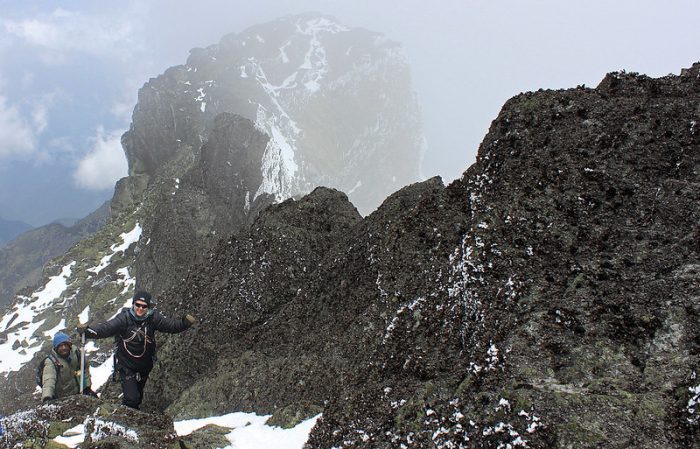
The main mountain climbing safaris in Uganda include ascents of Rwenzori Mountains, known as the “Mountains of the Moon,” offering challenging treks to Margherita Peak (5,109m). Adventure seekers can explore Mount Elgon, featuring one of the largest volcanic calderas in the world. For a more straightforward climb, Mgahinga Gorilla National Park offers hikes to Mount Muhabura, part of the Virunga Volcanoes.
What are the best mountains for climbing safaris in Uganda?
Uganda is home to several mountains that are perfect for mountain climbing safaris, offering challenging treks and beautiful landscapes. You will find that Climbing Rwenzori Mountains, also known as the “Mountains of the Moon,” is considered the most famous climbing activity in Uganda. These mountains feature lush vegetation, glacier-covered peaks, and multiple trails suitable for both beginners and experienced climbers. The highest peak, Margherita, reaches an elevation of 5,109 meters (16,762 feet) and is a popular goal for adventure seekers looking for an extraordinary safari experience.
Mount Elgon, located in eastern Uganda near the Kenyan border, is another excellent choice for those seeking a hiking safari. This extinct volcano boasts the largest volcanic base in the world and numerous attractions like Sipi Falls and the vast caldera at the summit. The climb is less technical compared to the Rwenzori Mountains, making it accessible for less experienced climbers.
Additionally, Mount Sabinyo, Mount Gahinga, and Mount Muhabura are part of the Virunga mountain range along Uganda’s southwestern border. These peaks offer more manageable treks, stunning views, and opportunities to cross between Uganda, Rwanda, and the Democratic Republic of Congo during the climb, enhancing your wild safaris experience.
Ultimately, the choice of mountain depends on your fitness level, time available, and what kind of experience you’re looking for. Whether you want a strenuous, multi-day trek or a shorter, scenic hike, there’s a suitable option in Uganda.
What is the best time of year to go mountain climbing in Uganda?
Uganda’s best climbing seasons are during the dry months, which run from December to February and June to August. This is because trails are less muddy, visibility is better, and the overall climbing conditions are more favorable.
In the rainy seasons, occurring from March to May and September to November, the trails can be slippery and difficult to navigate, which can increase the risk of accidents. For the Rwenzori Mountains especially, heavy rains during the wet season can make steep sections dangerous, and visibility can be poor due to mist or cloud cover.
During the dry season, climbers also have better chances of enjoying clear views, particularly when summiting peaks or hiking through scenic areas. This makes the experience more rewarding, especially if panoramic views are part of your goal.
If your schedule only allows for travel during rainy months, climbing is still possible as many mountain routes remain passable with proper gear, like waterproof clothing and sturdy boots. However, outdoor enthusiasts who want the least hassle typically prefer the dry season for a smoother experience.
Be sure to plan in advance and check weather updates, as conditions can vary, particularly in high-altitude areas where the climate tends to be unpredictable.
What are the key highlights and attractions of mountain climbing safaris in Uganda?
Mountain climbing in Uganda offers a mix of natural beauty, physical challenges, and cultural immersion, making it an extraordinary safari adventure. One standout feature is the incredible biodiversity, with unique ecosystems and plants that vary depending on the altitude. For example, the Rwenzori Mountains are renowned for their weirdly beautiful flora, such as giant lobelias and groundsels, found only in this region, creating a backdrop for unforgettable wild safaris.
On a climb like Mount Elgon, the highlight could be exploring the world’s largest mountain caldera at the summit. In contrast, though the Virunga peaks like Mount Sabinyo are not exceptionally high, they offer the thrill of standing at the junction where Uganda, Rwanda, and the Democratic Republic of Congo meet, enhancing the experience of a Uganda safari.
Cultural interactions also enrich the experience. Local communities, like the Bakonzo people near the Rwenzori Mountains, often guide climbers, offering fascinating insights into their traditions and connections to the land. Along the way, trekkers may encounter mountain villages where locals share stories, music, or food.
You’ll also come across features like waterfalls, steep gorges, glaciers, and breathtaking summit views almost everywhere you climb. Some mountains, like Mount Gahinga, offer a chance to visit endangered mountain gorillas in nearby national parks during or after your trek, adding to the allure of this hiking safari.
Climbers often consider reaching iconic peaks (like Margherita in the Rwenzoris or Wagagai on Mount Elgon) a deeply fulfilling moment, rewarding in both physical and emotional terms. Overall, the highlights of climbing safaris in Uganda lie not only in the journey but in the unforgettable landscapes and connections gained along the way.
What kind of wildlife and natural scenery can be experienced during these safaris?
While participating in a mountain climbing safari in Uganda, the variety of wildlife and natural scenery you can come across is remarkable. Uganda is renowned for its diverse ecosystems, ranging from tropical rainforests to alpine vegetation in higher altitudes. During your climb, you may encounter unique wildlife such as the vibrant Rwenzori turaco, large groups of colobus monkeys swinging through the trees, or even blue monkeys moving through the forest canopy, making this an extraordinary safari experience.
In addition, some areas have populations of tree hyraxes and colorful three-horned chameleons, especially in the Rwenzori Mountains. You won’t necessarily see large predators or big game animals while climbing mountains since this terrain differs from Uganda’s savannah parks. However, the lower mountain slopes are home to forest-dwelling animals such as bushbucks and small antelope species, which are part of the rich wildlife safari experience.
The scenery adds excitement, constantly changing as you ascend. For example, in the Rwenzori Mountains or Mount Elgon, you begin your climb in lush tropical rainforests with thick greenery, moss-covered trees, and flowing streams. As you move upward, the landscape transforms into bamboo forests, heath zones with giant lobelias, and eventually Afro-alpine moorlands dotted with otherworldly, towering vegetation.
Higher elevations may include stunning landscapes of rocky peaks, cascading waterfalls, glaciers (in the case of the Rwenzori), and panoramic views of neighboring regions or countries. Uganda’s mountains offer an exceptional mix of biodiversity and geological beauty, making each climb a chance to connect with some of nature’s most enchanting settings.
What are the main mountain ranges available for climbing in Uganda?
Uganda presents several mountain ranges that cater to climbers with a range of preferences. The most prominent of these ranges include the Rwenzori Mountains, Mount Elgon, and the Virunga Mountains.
The Rwenzori Mountains, often referred to as the “Mountains of the Moon,” are the tallest in Uganda, with Margherita Peak reaching 5,109 meters. As an UNESCO World Heritage Site, the Rwenzoris are known for their lush alpine scenery, glaciers, and unique plants like giant lobelias. This mountain range is particularly suited for adventurers seeking a more challenging climb and breathtaking landscapes.
Mount Elgon, an extinct volcano on the Ugandan-Kenyan border, is another popular location. Wagagai Peak, its highest point at 4,321 meters, offers milder climbs compared to the Rwenzoris. Its slopes feature forests teeming with birdlife and beautiful waterfalls such as Sipi Falls. Climbers appreciate its massive caldera, one of the largest in the world.
Another option is the Virunga Mountains, a chain of volcanic peaks shared among Uganda, Rwanda, and the Democratic Republic of Congo. Mount Muhabura, Mount Gahinga, and Mount Sabinyo are notable peaks within Uganda’s portion. These mountains offer moderate treks with incredible views and chances of spotting rare gorillas in nearby parks.
Whether you’re drawn to alpine challenges or moderate climbs in volcanic landscapes, Uganda’s mountains have a variety of options.
What level of physical fitness and experience is required for mountain climbing safaris in Uganda?
Climbing in Uganda requires varying levels of physical fitness and experience, largely depending on the specific mountain or range you plan to visit. For instance, climbing the Rwenzori Mountains involves several days of trekking through rugged terrains, marshy valleys, steep ascents, and potentially cold conditions at higher altitudes, making it an extraordinary safari adventure for climbers with experience and good physical fitness.
For Mount Elgon or Mount Muhabura in the Virunga range, the trek is generally less intense and recommended for both beginners and experienced hikers. While these climbs are physically demanding, they are not overly technical, meaning that someone in decent health, with the ability to walk extended distances uphill for consecutive days, can manage them during their Uganda safari.
Regardless of the specific mountain, climbers should prepare for continuous trekking for multiple hours at higher altitudes. It is essential to build lower body strength and endurance through exercises such as jogging, hiking, or gym training prior to the trip. It’s also important to acclimatize to higher altitudes by taking rest days or moving gradually to enjoy views of the stunning landscapes.
Technical climbing skills are not usually required for mountains in Uganda since most trekking routes involve walking paths rather than steep rock climbing. However, for peaks like Margherita on the Rwenzoris, prior trekking and familiarity with using equipment such as ice axes and crampons may be helpful.
Ultimately, mental preparation alongside physical fitness will go a long way in making the climbing experience successful and enjoyable, especially for those seeking a mountain climbing safari in this beautiful region.
What permits or permissions are required for mountain climbing in Uganda?
To climb mountains in Uganda, permits are typically required, especially for national parks where many of the mountains are located. The most common permits are issued by the Uganda Wildlife Authority (UWA) for access to these protected areas. The specific permit you need will depend on the mountain or area you plan to visit. For instance:
- Rwenzori Mountains National Park: A permit is required to access this park. This includes fees for conservation efforts and infrastructure that supports climbers.
- Mt. Elgon National Park: Similarly, permits are required for climbing here. The permits help fund the maintenance of trails and the local ecosystem.
Permit fees vary depending on whether you are a Ugandan citizen, a resident in the region, or an international visitor. For example, international travelers typically pay higher fees compared to locals. These fees can include both entrance to the park and additional costs for specific climbing activities or multi-day treks.
Permits can generally be booked through the Uganda Wildlife Authority’s offices in Kampala, online via their official website, or through a licensed tour operator. It’s wise to book early, especially during busy seasons, as permits might sell out. You can also contact local trekking companies that assist with obtaining permits as part of their service.
Always carry a valid ID or passport during your expedition, as rangers and officials may check your details against your permit. You should know that permits are non-transferable and may have specified dates, so plan accordingly.
What kind of gear and equipment is essential for mountain climbing safaris in Uganda?
The gear you’ll need will depend on the mountain’s altitude and climate. Uganda’s mountains, like the Rwenzori and Mt. Elgon, have varied conditions, with temperatures dropping significantly as you climb higher. Key equipment includes:
- Clothing: Wear moisture-wicking base layers, insulating mid-layers, and waterproof outer layers. Pack gloves, hats, and warm socks for high altitudes.
- Footwear: Sturdy hiking boots with good grip and ankle support are critical for safety and comfort. Ensure they are well broken in to avoid blisters.
- Backpack: A durable backpack with a capacity of around 40-50 liters for day hikes or 60+ liters for multi-day treks is necessary. It should include rain covers.
- Climbing gear: If you’re attempting technical ascents, ropes, harnesses, helmets, and crampons might be required. This varies by mountain and the route you choose.
- Sleeping bag: Bring a sleeping bag rated for sub-zero temperatures for overnight stays at high altitudes.
- Navigation tools: A map, compass, or GPS device can be helpful, though many climbers rely on guides.
- Hydration and food supplies: Carry a refillable water bottle or hydration pack along with energy-dense snacks and meals for extended climbs.
- Other essentials: A headlamp with extra batteries, sunscreen, a basic first-aid kit, and trekking poles for stability on steep inclines are all valuable items to include.
It’s important to check with your tour operator if certain gear, like tents or sleeping mats, will be provided. In some cases, it’s possible to rent equipment locally, but quality isn’t always guaranteed, so bringing your own may be preferable.
Are guides or porters available, and how can they be arranged?
Yes, guides and porters are widely available for mountain climbing safari in Uganda and play an integral role in ensuring a safe and manageable climb. These trained professionals know the trails, weather patterns, and region’s wildlife inside out, helping to navigate through potentially challenging terrain. Porters carry heavy items like backpacks, cooking gear, and tents, reducing your load and allowing you to focus on the climb while enjoying views of the stunning landscapes.
To arrange for guides and porters, most climbers book through tour operators or local trekking companies that specialize in Uganda safaris. These companies usually include guides and porters as part of their package, along with other amenities like meals and camping gear where required. Booking with an operator ensures you get experienced, vetted staff who can enhance your safari adventure.
Alternatively, you can hire local guides or porters at ranger stations and mountain park entrances. Uganda Wildlife Authority offices can also advise on rates and officially trained individuals.
Costs for guides and porters are often set by official park authorities or local associations. As of recent estimates, porters typically charge a daily fee (plus tips), with allowance caps based on how much weight they carry. For guides, daily rates are slightly higher, reflecting their expertise. Remember, tipping your guide and porter at the end of your trek is customary, showing appreciation for their hard work.
Without guides or porters, the climb becomes much more challenging, especially for long or technical treks, so most climbers prefer having their assistance. This also supports the local economy and provides employment within mountain communities.
What are the accommodation options during mountain climbing safaris in Uganda?
Uganda offers a variety of accommodation options for those taking on mountain climbing safaris, catering to different budgets, preferences, and group sizes. Depending on where you are climbing, these options range from basic campsites to more luxurious lodges. Many of the popular mountain ranges, like the Rwenzori Mountains or Mount Elgon, have accommodations either at the base of the mountain or at certain stopping points along the trails, making your safari adventure even more enjoyable.
For example, in the Rwenzori Mountains (often referred to as the “Mountains of the Moon”), accommodations include mountain huts and campsites. These huts are built at different elevations along the trekking routes to provide a resting place for climbers. They are generally basic, with simple beds and cooking areas, designed to give shelter from the harsh conditions at higher altitudes, which is essential for any wildlife safari experience.
In contrast, the areas around the bases of the mountains often have more comfortable options, such as eco-lodges, mid-range hotels, or community guesthouses. An example is the Rwenzori Base Camp, which offers reasonably comfortable cabins and meals close to the trailhead.
Similarly, if you decide to climb Mount Elgon, there are campsites within the park where climbers stay overnight. Outside the park, you’ll find more traditional accommodations, such as lodges in areas like Mbale town or Kapchorwa.
While climbing, it’s important to note that accommodations become more basic as you ascend, with some options offering just space to set up tents. If you’re planning a multi-day climb, your guides or tour operator will typically help organize the accommodations along the way.
For those seeking cultural interaction, some climbers also stay in homestays or visit villages near the mountains, which provides insight into the local way of life, enriching your Uganda safari experience.
What safety precautions should climbers take during these safaris?
Safety is a major concern during mountain climbing safaris, given the physical exertion, changing weather, and the risks of high-altitude trekking. Climbers in Uganda need to take specific steps to ensure their wellbeing during these adventures.
First, it’s vital to be in good physical health before undertaking a climb. Make sure to consult your doctor if you have any health concerns and prepare with appropriate physical training, especially if the climb involves high altitudes.
High altitudes, like those in the Rwenzori Mountains, increase the risk of altitude sickness. Symptoms can include headaches, nausea, dizziness, or shortness of breath. To mitigate this risk, pace yourself, stay hydrated, and take time to acclimate as you ascend. Guides are trained to recognize altitude sickness and will advise you to rest or descend if symptoms worsen.
Weather conditions can change quickly in the mountains, so pack layers of appropriate clothing. Waterproof jackets are essential due to frequent rainfalls in Uganda’s mountain areas. Sturdy climbing boots with good grip are also crucial.
Another critical safety step is hiring experienced guides and porters. They know the trails, have first aid knowledge, and help reduce the weight of your load so you can trek more safely.
Bring a well-stocked first aid kit that includes basic medical supplies, such as bandages, antiseptic, and medications for pain relief. A flashlight or headlamp, extra batteries, and a map or GPS device are all valuable tools in case of emergencies.
Always inform someone at the base, such as staff at lodges or park officials, about your hiking plans. Park authorities in Uganda, especially for the Rwenzori Mountains and Mount Elgon, typically require visitors to register and may check on climbers’ progress through the park.
Finally, avoid traveling or climbing alone. Groups provide an added layer of safety since one person can seek help if another encounters difficulty.
Are there any unique cultural experiences associated with mountain climbing in Uganda?
Yes, a mountain climbing safari in Uganda not only offers breathtaking scenery but also opportunities to engage with the unique cultural traditions of the local communities living near these ranges. Many of these communities have deep connections to the land, and their customs, stories, and way of life add an enriching layer to the experience.
For example, the foothills of the Rwenzori Mountains are home to the Bakonzo people. They have lived in the region for generations, and many of their cultural practices revolve around the mountains. Historically, they believed the Rwenzori peaks were inhabited by gods and spirits. Travelers might be invited to participate in cultural dances, festivals, or storytelling sessions that pass down these traditions, enhancing their wildlife safari experience.
Similarly, the Mount Elgon region overlaps with areas inhabited by the Sabiny and Bagisu communities. Among the Bagisu, there is a prominent cultural practice known as the Imbalu ceremony , a traditional male circumcision ritual typically performed during certain seasons. While climbers may not directly witness the ceremonies, they can learn about the social significance and history tied to them, enriching their Uganda safari.
Cooking traditions near the mountain regions are another highlight. Local dishes may include staple foods like matoke (steamed bananas), beans, or millet bread, often served with flavorful sauces or stews. Some climbers choose to stay in homestays near the base of the mountains, where they get to share meals with families and even partake in food preparation.
Additionally, many climbing tours in Uganda integrate cultural excursions, such as visiting handicraft markets or schools, to interact with the local population. These moments offer climbers a unique perspective of Uganda beyond its natural landscapes, making their safari adventure truly extraordinary.
How To Book Your Safari in Uganda
So, there you have it! We’ve answered the big questions about mountain climbing safaris in Uganda, what they are, why they’re so thrilling, and how to enjoy them safely as a beginner. Now, it’s time to turn your extraordinary safari dreams into reality! Ready to explore Uganda’s majestic peaks? Let the Best Safari Companies in Uganda help you plan your unforgettable Uganda safari experience. Click here and start your journey today! Your Ugandan mountain adventure awaits!