A Uganda safari with kids offers a family-friendly adventure with opportunities to explore Murchison Falls National Park and enjoy wildlife spotting on a boat cruise in Queen Elizabeth National Park. Most lodges provide kid-friendly services, such as family rooms and child-oriented activities. Guided walks and village visits can also be added for cultural interaction.
Is Uganda a safe destination for a safari with kids?
Uganda is considered a safe destination for a family safari vacation with kids as long as proper planning and awareness are in place. The country is known for its friendly locals, organized tourism industry, and natural attractions. That said, safety depends on factors like health precautions, transportation, and supervision of children. Diseases like malaria are common in Uganda, so preventive measures such as anti-malarial medication and mosquito nets are necessary. You’ll also want to ensure your family has received any recommended vaccinations before traveling.
For physical safety, wildlife safaris, including chimpanzee trekking, are generally well-guided and involve vehicles, so the interaction with animals is controlled. However, it’s always wise to follow the guide’s instructions, keep kids inside the vehicle, and remain quiet when spotting animals.
Transportation in Uganda can be challenging in some areas, as road conditions in remote regions may not be ideal. Hiring a private guide or tour operator experienced in working with families can make the experience smoother and safer. Urban areas, like Kampala, are busy and may require extra attention when moving around with children, particularly in markets or crowded spaces.
It’s also recommended to book accommodations that cater to families. These often provide amenities like child-friendly meals, extra beds, and safe play areas. If you’re traveling with kids, selecting wildlife parks that are family-oriented and less physically demanding, like Queen Elizabeth National Park, is a good idea.
Travel insurance is vital for peace of mind, covering unexpected medical situations. With careful preparation, Uganda can provide a beautiful safari experience for families with kids, making it an ideal safari destination for your next adventure.
What are the best wildlife parks and reserves in Uganda for a family safari?
Several wildlife parks and reserves in Uganda are particularly suited for families due to their easy accessibility, variety of animals, and family-friendly accommodations.
Queen Elizabeth National Park is one of the most popular options. It features diverse wildlife, including elephants, lions, hippos, and antelope. The game drives are appropriate for children as they don’t require extensive physical activity. The Kazinga Channel boat cruise in this park is another highlight, offering close views of hippos, crocodiles, and birds without the need for extended walking.
Lake Mburo National Park is smaller than some of the other reserves, but it’s excellent for families because it’s less crowded and very scenic. It’s one of the few parks where walking safaris are allowed, but children need to be old enough to follow safety instructions. The park also has zebras, giraffes, and antelope, making it very enjoyable for kids.
Murchison Falls National Park, famous for its spectacular waterfall and diverse animal species, is another family-friendly location. Boat cruises on the Nile are enjoyable for children, giving them a chance to see crocodiles, hippos, and birds from a safe distance.
If your family is interested in birdwatching, consider visiting Semuliki National Park or Mabamba Wetlands for unique species like the rare shoebill stork.
When planning a safari with kids, ensure your chosen parks have child-appropriate activities and accommodations. Shorter travel times between destinations are also ideal for avoiding long, tiring journeys.
Are there age restrictions for activities like gorilla trekking or chimpanzee tracking?
Yes, there are age restrictions for activities involving close encounters with primates like gorilla trekking and chimpanzee tracking in Uganda. Gorilla trekking has a minimum age requirement of 15 years, while chimpanzee tracking requires participants to be at least 12 years old. These restrictions are in place for safety reasons and to protect the animals.
Primates, such as gorillas and chimpanzees, are susceptible to human illnesses, and young children are more likely to carry common infections that could endanger them. Additionally, these activities often involve hiking through dense forest, uneven terrain, and unpredictable weather, which may be physically demanding or risky for younger children.
For younger families, there are alternative activities that allow kids to learn about primates without trekking. Some parks offer kid-friendly nature walks or cultural experiences related to conservation efforts. For example, the Bigodi Wetland Sanctuary, located near Kibale National Park, features shorter guided walks through swamps where you can spot monkeys and birds along the way.
If primate trekking is a priority for one parent or older sibling, some lodges provide child care services, allowing the rest of the family to enjoy more relaxed activities. For those meeting the age requirement, it’s essential to prepare physically by bringing suitable footwear, staying hydrated, and following ranger guidelines at all times.
What is the best time of year to visit Uganda for a family safari?
The best time for a family safari vacation in Uganda is during the dry seasons, which typically run from June to August and December to February. These months are considered dry because there is less rainfall, making it easier to navigate through Uganda’s national parks and wildlife reserves. The dry weather reduces the likelihood of muddy or washed-out roads, which is particularly beneficial for families traveling with children since it means smoother and safer travel.
During these dry periods, wildlife viewing is also much better, making it an ideal time for safari activities. Animals tend to gather around water sources because waterholes and rivers are shrinking, making it easier to spot them. For example, in Queen Elizabeth National Park, families may get to see thirsty elephants or antelopes near rivers, creating unforgettable moments.
If gorilla trekking is a part of your plans, dry seasons make hiking trails in Bwindi Impenetrable National Park less slippery and kid-friendly for older children allowed to trek. However, note this activity requires children to be 15 or older.
That being said, visiting during the wet seasons (March to May and October to November) also has some merits. While rain can make driving and trekking more challenging, the landscape is lush with greenery, and there are fewer tourists. Plus, accommodation prices are often lower during these months, which could help families on a budget.
For families with younger kids who may not want to spend long hours outdoors every day, the dry season months provide mild, predictable weather, ensuring a comfortable experience for the whole family during their Uganda trip.
What types of accommodations are suitable for families with children in Uganda?
When traveling with children in Uganda, families should look for accommodations that cater specifically to their needs, offering both comfort and safety. Many lodges and camps in Uganda prioritize family-friendly setups, especially those located near major wildlife parks and uganda family safari attractions.
For instance, some establishments provide family tents or cottages with multiple rooms, giving parents privacy while keeping kids close. In addition, certain lodges like the Kyambura Gorge Lodge near Queen Elizabeth National Park offer spacious family suites. Having larger, private spaces makes it easier to keep children settled and comfortable after a day of safari activities.
Many family-friendly accommodations also have amenities like swimming pools, secure play areas, and child-minding services. This ensures that parents can unwind while their kids remain entertained within a safe space. In some cases, lodges offer simpler meal options or separate menus tailored to younger palates, important for children who may be picky eaters during their safari vacation.
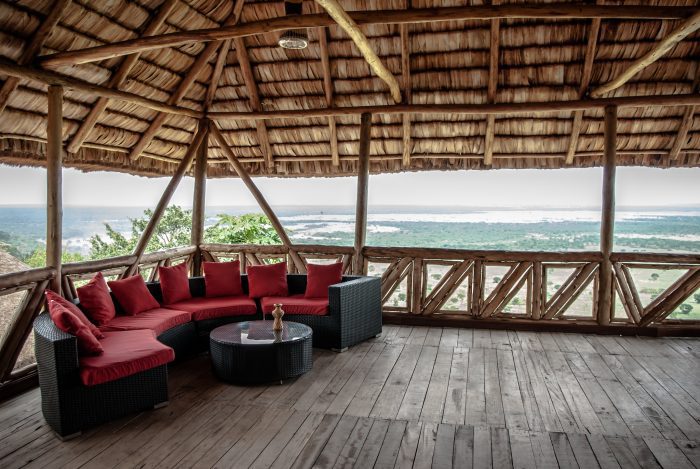
For those who prefer a mix of nature and safety, safari lodges with fenced perimeters are ideal. These properties are situated near wildlife parks but provide security from wandering animals, offering peace of mind for families at night. For example, lodges like Mweya Safari Lodge in Queen Elizabeth National Park are designed with families in mind.
Lastly, for families with older children, luxury tented camps provide an exciting yet comfortable way to experience Uganda’s wilderness. This is a more adventurous option where kids can sleep surrounded by the sounds of the wild, yet still enjoy proper beds and modern facilities.
Before booking, it’s a good idea to check if the accommodation allows small children, as some lodges closer to gorilla trekking zones may have age restrictions.
What vaccinations or health precautions are necessary for kids visiting Uganda?
Before heading to Uganda for an unforgettable family safari, it is essential to ensure that children are up-to-date on routine vaccinations and take the necessary precautions against tropical diseases common in the region. A visit to a travel health clinic or consultation with a pediatrician at least 6-8 weeks before departure is strongly recommended to ensure a safe Uganda trip.
Yellow fever vaccination is mandatory for entry into Uganda, so make sure to carry the yellow fever certificate as proof during your travels. This vaccine is generally safe for children older than nine months, which is crucial for a successful safari vacation.
Malaria prevention is also vital when visiting Uganda, as the disease is prevalent in various regions. Families need to speak with their doctor about the right antimalarial medication suitable for children. Additionally, using insect repellents containing DEET, wearing long-sleeved clothing, and sleeping under treated mosquito nets can help protect kids from mosquito bites during their safari activities.
Vaccinations like Hepatitis A and B, typhoid, and meningitis may also be recommended, depending on your doctor’s advice and itinerary. Rabies vaccines might be needed if your family plans to spend a lot of time in rural areas or around animals, though close supervision often minimizes any risk.
For everyday health protection, teach kids to avoid drinking tap water or eating raw food washed in it. Stick to bottled water and food prepared in hygienic conditions. Carry a basic first-aid kit with essentials such as antiseptic cream, pain relief medication, oral rehydration salts (for dehydration), and any prescription medicines your child might need during your family safari vacation.
Finally, keep hand sanitizers handy and encourage frequent handwashing to avoid stomach bugs or infections. Parents should always plan for their children’s specific needs ahead of time to ensure a healthy and smooth safari experience in Uganda’s stunning wilderness reserves.
How long should a family safari in Uganda ideally last?
The ideal length of a family safari in Uganda can vary based on several factors, including the family’s interests, the ages of the children, and how much time is available for travel. Generally, a Uganda family safari can last between 7 to 12 days. This duration strikes a balance between experiencing a variety of wildlife, exploring Uganda’s natural attractions, and ensuring that children don’t get overly tired or bored.
A 7-day safari typically allows families to visit a couple of major wildlife parks, such as Queen Elizabeth National Park and Murchison Falls National Park. These destinations provide the opportunity to see iconic animals like elephants, lions, and giraffes. A schedule might include half-day game drives and short excursions, making it easier for kids to enjoy the safari activities without feeling overwhelmed.
For families seeking a more extensive adventure, a 10-12 day safari can include additional activities. For example, families could visit Bwindi Impenetrable Forest to see mountain gorillas (if children meet the age requirement for gorilla trekking, which is typically 15 years and older). Alternatively, they could explore Kibale National Park for chimpanzee trekking or experience Lake Bunyonyi for swimming and canoeing, which are great for younger kids.
It’s important to build in plenty of downtime for relaxation, especially for younger children. Traveling long distances between parks can be tiring, so choosing a few key locations to visit instead of cramming too much into the itinerary can make the trip more enjoyable for everyone. Finally, consider the travel time to and from Uganda. Families flying from distant locations might want to include additional days at the start or end of the trip to adjust to jet lag.
What wildlife and activities are most kid-friendly in Uganda?
When planning a family safari vacation in Uganda, activities that are engaging yet manageable for children are key. Wildlife viewing and outdoor exploration generally appeal to kids, and Uganda offers a range of kid-friendly options that still provide plenty of excitement, especially during safari trips that showcase the country’s stunning wilderness reserves.
Game drives in savannah reserves like Queen Elizabeth National Park and Murchison Falls National Park are particularly suitable for children. During these drives, kids can spot large animals such as elephants, lions, giraffes, zebras, and hippos. Guides often make the experience fun and educational by pointing out interesting wildlife facts and behaviors.
Boat safaris, such as those on the Kazinga Channel or along the Nile River, are another favorite. These trips give families a chance to glide past hippos, crocodiles, and colorful birds. Because the activity is seated and relatively calm, it’s a good way to keep younger children entertained while giving parents a break from long drives, making it an ideal part of any Uganda family safari.
For children not old enough for activities like gorilla trekking, there are lighter hiking or nature walks to enjoy. For example, the Bigodi Wetland Sanctuary near Kibale National Park offers a guided walk suitable for children. Here, kids can spot monkeys, birds, and other small animals while also learning about wetland ecosystems, contributing to their memorable wildlife experiences.
If the family enjoys cultural activities, visits to local villages can be rewarding. Ugandan communities often welcome visitors to experience traditional music, dancing, and crafts, offering children a chance to engage in hands-on activities and learn about another culture in a way that’s interactive and engaging.
Lastly, active children might enjoy places like Lake Bunyonyi, where they can swim, canoe, or hike safely. Careful consideration of weather and safety guidelines is recommended, but these kid-friendly activities create memories without overwhelming them, making them perfect for any Uganda trip.
Are guided safaris or self-drive safaris better for families in Uganda?
Guided safaris are usually a better option for families traveling in Uganda, especially for those with young children or first-time visitors to the country. Uganda family safari experiences come with professional drivers who are knowledgeable about the parks, wildlife, and navigation, which reduces the stress on parents and ensures a smooth experience.
One of the major benefits of guided safaris is the expertise of local drivers and guides. They often know the best spots for wildlife sightings and can track animals that families might overlook on their own. Additionally, guides often share interesting facts and trivia about the amazing primates and other wildlife, making the outings more educational and engaging for children.
Safety is another significant consideration. Uganda’s terrain can be challenging, with unpaved roads and remote locations where self-driving might be risky for inexperienced visitors. Guides are accustomed to navigating these routes and handling emergencies, giving families peace of mind during their safari trips.
A guided safari also allows parents to relax and focus on spending time with their children instead of worrying about maps, directions, or park regulations. Families can customize their itineraries with a guide to include kid-friendly activities, such as chimpanzee trekking, and breaks at suitable times.
Self-drive safaris, while more budget-friendly, come with logistical challenges. Parents would need to manage everything from accommodations to vehicle maintenance and park permits. This can become overwhelming, especially with children in tow. Additionally, keeping kids entertained while focusing on driving and wildlife spotting can be difficult during family safari vacations.
For families prioritizing convenience, learning opportunities, and safety, a guided safari offers the best overall experience. Parents can still have input on the schedule but benefit from the expertise and assistance of professionals throughout their Uganda trip.
What should families pack for a safari with children in Uganda?
Packing for a family safari in Uganda with kids requires some thought to ensure the trip is safe, comfortable, and enjoyable. The climate in Uganda can vary, with warm days and cool nights, so layering is important. Lightweight, breathable clothes are great for the daytime, but include warmer layers like sweaters or jackets for early mornings and evenings. Neutral-colored clothing (tan, olive, beige) is helpful for blending into the surroundings during wildlife viewing, especially during safari activities.
Good footwear is key – sturdy, closed-toe shoes for walking and sandals for relaxing. Pack wide-brimmed hats, sunglasses, and sunscreen to protect against the sun. In some areas, mosquitos can be a concern, so include insect repellent and long-sleeved shirts and pants for dusk and dawn. A comprehensive first aid kit tailored for children is a must, with items like bandages, antiseptics, fever medication, and any personal prescriptions.
Binoculars can make wildlife viewing fun for kids, allowing them to spot animals in the distance. A basic camera or a smartphone can also let them take pictures and feel more involved during their Uganda trip. Pack a small day bag for snacks, refillable water bottles (hydration is very important), and wet wipes for convenience on the go.
Don’t forget items to keep them entertained. Books, coloring materials, travel games, or a tablet loaded with movies and audiobooks can help with downtime. Include travel-sized snacks they enjoy in case camp or lodge meals aren’t always to their taste. Lastly, pack some lightweight rain gear like ponchos, as sudden showers are common in Uganda. By preparing well, everyone can enjoy the trip without unnecessary stress.
How can families keep kids engaged and entertained during a Uganda safari?
A safari in Uganda offers lots of excitement, especially for families looking for unforgettable family safari vacations. However, young kids can get restless during long periods of animal spotting or travel. Keeping them engaged means balancing structured activities with moments of fun and relaxation. Before the trip, spend time teaching kids about the animals they might see, such as lions, giraffes, elephants, and zebras. This way, spotting wildlife feels more like a game or achievement. Safari bingo, where they check off animals or landmarks they see, can make the drives more interactive and enjoyable.
Guided safaris are great for families because guides often share interesting stories, facts, or trivia about the animals, which keeps children curious. Many lodges also offer kid-friendly programs, like nature walks or storytelling sessions, that combine education with entertainment. Bringing along kid-specific binoculars or cameras can make them feel like junior explorers on their Uganda family safari. They can “document” their discoveries, like animal tracks or unusual plants, which adds to the excitement.
For downtime, pack lightweight puzzles, drawing supplies, or audiobooks to keep kids busy in the vehicle or at camp. Snacks are essential! Keep a variety of familiar options on hand since meals on the road might not always interest them. If they’re old enough, let them help with small decisions during the trip, like choosing activities or spotting animals. It gives a sense of involvement.
To add variety, mix wildlife-focused activities with cultural ones , visiting a village, trying traditional foods, or learning a local dance. Kids are less likely to get bored with a well-rounded schedule that includes both safari activities and cultural experiences.
Remember, taking regular breaks is essential. Even a short period to stretch legs, snack, or just roam around can recharge everyone’s mood and make the experience more enjoyable. This balance ensures that your Uganda trip is filled with memorable wildlife experiences and family bonding moments.
What cultural experiences in Uganda are suitable and educational for kids?
In Uganda, there are many cultural activities that are both fun and educational for kids, helping them connect with local traditions and communities. A great starting point is a visit to a local village or community, which allows children to learn about daily life, see traditional homes, and even try simple activities like fetching water, grinding grain, or weaving. These immersive experiences teach kids about the differences and similarities between life there and at home, making it an essential part of their Uganda trip.
Uganda has numerous cultural dance and music performances, which are colorful and lively. Some groups, like the Ndere Troupe, showcase traditional dances from different parts of the country. These performances often encourage audience participation, so kids may get a chance to drum or dance.
Craft workshops are another wonderful activity. Kids can learn how to make items like bead jewelry or baskets under the guidance of local artisans. These handmade items become meaningful souvenirs to take home, especially after a memorable wildlife experience during family safaris. Similarly, visits to markets introduce children to local foods, fruits, and spices, sparking curiosity about Uganda’s culinary culture.
For older kids, a visit to a historical site such as the Kasubi Tombs in Kampala or a cultural museum can provide insight into Uganda’s royal heritage and traditions. Storytelling sessions by elders or guides offer engaging tales about Uganda’s history, animals, and folklore. These sessions can often include moral lessons or fun myths that entertain and teach.
In addition to cultural visits, families can participate in activities like planting trees or working on community projects. Activities like these not only teach lessons about giving back but also create a connection to the country, making family safari vacations even more meaningful.
These experiences offer a great balance of fun and learning, helping kids develop a deeper appreciation for Uganda’s vibrant traditions while broadening their worldview, making every safari vacation an unforgettable adventure.
How to Book Your Family-Friendly Uganda Safari
Planning a Uganda family safari with kids doesn’t have to feel overwhelming! In this guide, we covered the ‘what’ (amazing wildlife and culture your kids will love), the ‘how’ (family-friendly activities and tips to ensure safety), and the ‘why’ (creating unforgettable memories). Ready to start your adventure? Contact one of the Best Safari Companies in Uganda for a hassle-free safari vacation experience. They’ll help you craft the perfect family safari vacations! Adventure awaits!