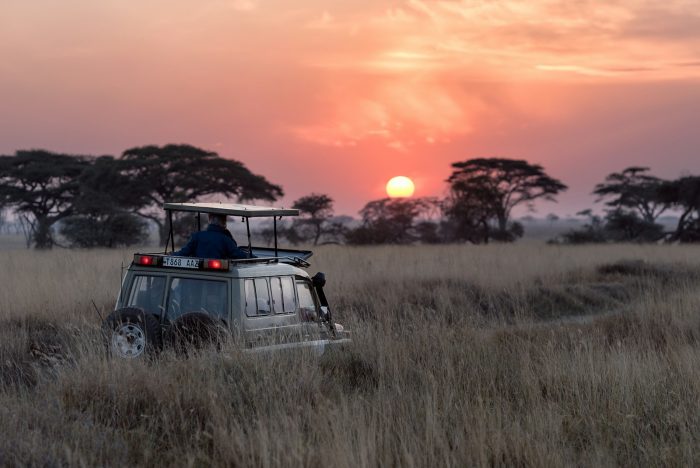
Uganda safaris for the people with disabilities offer accessible travel experiences, including gorilla trekking in Bwindi Impenetrable National Park with tailored support, wheelchair-friendly accommodations, and guides trained to assist. Popular destinations like Queen Elizabeth National Park provide game drives with modified vehicles for easy access. Visitors can enjoy cultural tours, birdwatching, and nature walks designed to accommodate varying mobility needs. Combined Uganda and Tanzania safaris can also be arranged, ensuring inclusive exploration of wildlife and landscapes across East Africa.
What accessibility measures are in place for people with disabilities on Uganda safaris?
Uganda has introduced various measures to support travelers with disabilities so they can enjoy safaris and explore popular destinations. Many national parks and tour operators are making deliberate efforts to accommodate individuals with mobility, hearing, or vision impairments. For example, physical accessibility is improving in key tourism areas, with ramps and walkways being added to visitor centers, lodges, and bathrooms in some parks. This ensures travelers who use wheelchairs or have other mobility challenges can navigate more comfortably.
Wildlife viewing platforms in some parks, like Queen Elizabeth National Park, are being designed with inclusive features, such as elevated platforms with railings and pathways to allow excellent views for everyone. Moreover, guides are trained specifically to assist those with disabilities gorilla trekking, ensuring that they can tailor the experience to meet individual needs.
Sign language interpreters may sometimes be made available for deaf travelers, although it is best to arrange this in advance with the tour operator. For visually impaired guests, tour operators often enhance the experience by using vivid descriptions of surroundings, wildlife behaviors, and sounds. The goal is to create an inclusive environment where everyone can appreciate what Uganda’s safaris have to offer.
For example, at Murchison Falls National Park, you might find that accommodations provide accessible bathrooms with grab bars or even modified rooms for wheelchair users. Travelers are advised to inquire ahead of time as the level of accessibility can vary depending on the park or lodge.
Overall, Uganda is taking steps to make safaris more inclusive, but travelers with disabilities should communicate their specific needs well in advance to ensure all necessary arrangements are in place.
Are wheelchair-accessible safari vehicles available in Uganda?
Safari vehicles that are customized for disabled travelers are becoming increasingly available in Uganda, though they are not yet widespread. A few tour operators offer specially modified vehicles with ramps or lifts that allow for easy entry and exit, as well as secure spaces inside to accommodate a wheelchair safely during travel. These vehicles can also be equipped with extra-wide doors or handles for improved accessibility, making them ideal for accessible tourism.
For example, accessible safari vans often have elevated seating options for better wildlife viewing, and some even include rotating chairs or removable seats to make transfers easier. Passengers in wheelchairs can remain in their chairs or use these customized seating options depending on their comfort and preferences. This ensures that they can fully participate in the gorilla trekking experiences without difficulty. Operators such as Insight Safari Holidays and other locally focused agencies are known to offer such services on request.
Additionally, most wheelchair-accessible vehicles accommodate small groups, so if you’re traveling with family or friends, it’s worth asking the operator if the setup can be adapted for your group size. These vehicles also often come with guides and drivers trained to assist passengers safely.
Even so, availability may vary depending on the region you’re visiting. For example, popular national parks like Murchison Falls or Queen Elizabeth National Park are more likely to have accessible transportation options due to their relatively developed tourist infrastructure. Remote parks may require extra planning for disabled people seeking adventure.
It’s important for travelers or their caretakers to communicate needs to the operator ahead of the trip. Sharing specific requirements, like the dimensions of the wheelchair or the need for certain safety adjustments, ensures that arrangements are properly made for an enriching travel experience.
Which national parks in Uganda are best suited for people with disabilities?
Certain national parks in Uganda stand out as more accessible for disabled travelers due to their infrastructure and level of preparedness. Queen Elizabeth National Park is particularly well-suited for travelers with mobility challenges. It offers wide game tracks for vehicles and viewing platforms that provide excellent vantage points for wildlife observation without needing to hike. Lodges in this park often offer more accessible accommodation features, including ramps or accessible dining areas.
Murchison Falls National Park is another popular choice. The relatively flat terrain and smooth tracks make it easier for vehicles, including accessible safari vans, to navigate. The falls can be viewed from several locations, many of which can accommodate wheelchair users. Lodges here also provide modified facilities such as accessible bathrooms and walkways, enhancing the experience for those with various disabilities.
Bwindi Impenetrable National Park, while famous for gorilla trekking, poses more challenges for travelers with disabilities due to its rugged terrain. However, some tour operators offer alternative arrangements, such as sedan chairs and porters to carry individuals who cannot manage the steep hikes. This allows people with mobility impairments to experience gorilla trekking in a way that suits their abilities.
Lake Mburo National Park is another option as it is smaller and has fewer physically demanding activities. The park focuses on game drives, boat rides, and birdwatching, which can be more easily managed for individuals with limited physical mobility.
Ultimately, choosing a park depends on the traveler’s specific needs and interests. Open communication with the tour operator will help determine which park is the best fit and ensure proper arrangements can be made. Travelers should also ask about accommodations, transportation, and guided activities to make sure the experience is enjoyable and accessible.
What lodging options cater specifically to tourists with disabilities in Uganda?
Lodging options in Uganda are becoming increasingly considerate of the needs of disabled travelers. Many lodges, hotels, and accommodations near popular tourist destinations, such as national parks, have features aimed at providing access and comfort for guests with mobility challenges or other disabilities. These accommodations often go beyond basic accessibility to create an enriching experience for all guests.
Some lodges offer wheelchair-friendly pathways, ramps, and ground-level rooms to ensure ease of movement for guests. For example, around Queen Elizabeth National Park and Bwindi Impenetrable Forest, certain lodges have accommodations that are specifically designed to allow wheelchair users to move freely. Bathrooms in such setups may feature grab bars, roll-in showers, and raised toilet seats, making them ideal for disabled persons.
In addition, some luxury lodges provide extra services such as assistance with meals, luggage, or guiding around the property to ensure that guests with disabilities feel supported and at ease. Staff are often trained to offer help in a respectful and helpful manner, enhancing the overall experience for disabled tourists.
Moreover, lodges close to safari locations are often willing to customize arrangements. They may arrange transportation for disabled guests between their rooms, dining areas, and activity centers. In some cases, they may accommodate guests with visual or hearing impairments by offering simplified directions, written instructions, or visual guides to ensure accessible tourism.
Ensuring a comfortable stay often requires prior planning. It is a good idea to contact the chosen lodge ahead of time, provide them with specific needs, and confirm whether they can meet these requirements. Some establishments may offer additional advice or collaborate with tour operators to enhance accessibility for their guests, making their journey smoother.
How do tour operators in Uganda ensure a safe and inclusive experience for disabled travelers?
Tour operators in Uganda play a key role in ensuring that travelers with disabilities can have enjoyable and safe safaris. They often make adjustments and arrangements tailored to individual needs, aiming to provide an inclusive expedition.
Firstly, many operators plan itineraries that accommodate mobility differences. They might use wheelchair-accessible safari vehicles for game viewing or choose routes that are easy to navigate. For example, certain parks in Uganda like Queen Elizabeth National Park have flatter terrain that makes game drives more manageable for those with mobility challenges.
Tour operators often work in collaboration with lodges, ensuring that accommodations are accessible and aligned with the needs of their clients. They also help secure ground-floor rooms, accessible bathrooms, and other amenities.
Additionally, trained safari guides play an essential role. Many operators hire guides familiar with assisting individuals who have disabilities. For instance, a guide may describe wildlife in detail for visually impaired travelers or use sign language if travelers are hearing impaired.
Safety is a key focus. Operators equip their vehicles with first aid kits, and in some cases, they communicate with nearby medical services to handle emergencies if needed. For outdoor safaris, they might focus on shorter, more accessible trails to ensure comfort and minimize risks.
Communication is vital from the start. Tour operators often ask prospective travelers about their specific requirements ahead of time, making planning effective. Flexible scheduling and personal attention are common practices to ensure high-quality trips for everyone involved.
Are trained guides available to assist travelers with disabilities on safaris in Uganda?
Yes, many safari companies in Uganda offer accessible tourism options by employing guides specifically trained to assist travelers with disabilities. These knowledgeable guides are adept at supporting individuals with diverse needs, ensuring that the Uganda safari experience is both enriching and fulfilling.
For travelers with mobility impairments, guides help with getting in and out of safari vehicles, ensuring wheelchairs are secured during the drive, and facilitating smooth navigation through trails or lodges. They are skilled at adjusting the pace and route of the safari based on the guest’s comfort level, making the journey enjoyable for all.
Visually impaired guests particularly benefit from the expertise of these guides. They provide vivid descriptions of the breathtaking landscapes, wildlife, and other guests’ actions, bringing the safari experience to life verbally. Likewise, for those with hearing impairments, guides who understand basic gestures or sign language can effectively communicate, ensuring that all travelers feel included.
In addition to wildlife tracking, guides inform travelers about Uganda’s cultural richness and environmental context, tailoring their approach to engage with each guest’s abilities. Their training equips them to address challenges appropriately while offering hands-on support when needed, enhancing the overall experience.
To ensure a highly skilled guide is part of your safari adventure, confirming your specific requirements with tour operators in advance is advisable. This proactive approach allows them to allocate a guide best suited to assist with the unique circumstances of a traveler, optimizing the overall safari experience.
What are the challenges that people with disabilities might face on a Uganda safari?
One challenge is the state of road infrastructure. Many safari destinations in Uganda are located in remote areas, and the roads leading to these areas can be bumpy, uneven, or even muddy, especially during the rainy season. This can make travel uncomfortable and difficult for those with physical disabilities or health conditions. Vehicles must often navigate unpaved paths, which can be problematic for people using wheelchairs or those with limited mobility.
Another issue is the terrain within national parks and reserves during disabilities gorilla trekking. Many attractions and wildlife viewing areas require walking on rough, uneven ground that might be inaccessible for people with mobility impairments. Certain vantage points, trails, or scenic areas might not be suitable for wheelchairs or those who find walking challenging.
Facilities in some safari lodges or camps may also present obstacles for disabled persons. While improvements are being made, some accommodations still lack features like ramps, wheelchair-friendly bathrooms, or accessible dining areas. For travelers who are visually or hearing impaired, the lack of tailored services or assistive devices in tourist spots and lodges can limit the overall experience.
Communication barriers may also arise. Some safari guides may not have specific training to assist individuals with disabilities, such as knowing how to guide a blind person or accommodate someone with hearing loss. This could create difficulties in ensuring equal access to information or experiences during the safari.
Finally, medical support can be a concern in remote areas. Access to hospitals or emergency care can be limited in certain locations, so individuals with chronic conditions may need to carefully consider and plan for their healthcare needs while on safari.
Are there specific safari packages or tours designed for people with disabilities in Uganda?
Safari operators in Uganda are increasingly tailoring packages for disabled travelers, offering options that create a more inclusive experience. These packages often emphasize the use of wheelchair-accessible vehicles, accommodations that cater to special needs, and ensuring smoother logistical arrangements.
For example, some tour operators provide vehicles equipped with ramps or lifts, making it easier for travelers using wheelchairs to board and disembark. The itineraries might prioritize locations with facilities designed for accessibility, such as lodges with widened doorways, wheelchair-accessible bathrooms, and ramps connecting all common areas.
Such packages may focus on wildlife activities that do not require significant physical exertion. Game drives are a typical inclusion, as these allow travelers to enjoy the gorilla trekking experience from within a vehicle. National parks like Queen Elizabeth and Murchison Falls often feature drive-friendly circuits that can be navigated without requiring visitors to leave their transport.
Operators catering to such needs also ensure that guides are patient and considerate. Some companies may hire or train guides specifically to assist with mobility challenges, providing personalized guidance.
While these packages cater to a smaller market, travelers with disabilities can request customized adjustments to standard tours. For example, accessible cruises on the Kazinga Channel or the Nile River can be arranged to ensure wildlife viewing is possible from stable platforms or boats.
Organizations and operators offering these packages often communicate closely with travelers to determine specific requirements in advance, whether dietary restrictions, mobility aids, or medical care needs, ensuring that the experience feels secure and enjoyable.
What medical and emergency support is available during a safari for disabled travelers?
In Uganda, medical and emergency support during safaris may vary depending on the location and the facilities available in nearby areas. Most safari operators and lodges are equipped with basic first-aid kits and trained staff to handle common, non-severe medical situations such as minor injuries or sickness.
For more serious emergencies, many tour operators have partnerships with local hospitals and emergency services. In urban areas like Kampala or regional hubs like Entebbe, well-equipped medical facilities with specialist doctors are accessible, but these services can be far away if you’re deep in a national park. Consequently, access to advanced emergency medical care might involve travel over long distances, which could be a challenge in critical situations.
For extreme emergencies, some safari operators work with evacuation services, including aircraft evacuations, to nearby hospitals in larger towns or cities. Companies like Flying Doctor Services can transport patients from remote wildlife reserves to modern medical facilities, especially when time is critical.
Travelers with disabilities are encouraged to provide detailed medical information to their safari operators before starting their trip. This might include details on medication, allergies, or chronic illnesses so appropriate measures can be in place. Additionally, carrying a well-stocked personal medical kit is advised for any essentials unique to the individual traveler.
Some lodges or camps located near popular parks like Bwindi Impenetrable Forest or Queen Elizabeth National Park have medical personnel or on-call nurses to provide immediate care. In cases where specialized attention is required, arrangements are made to transport individuals to the nearest health center.
Lastly, travelers are advised to have travel insurance with provisions for medical emergencies, as this ensures that any necessary evacuation and treatment costs are covered without additional stress.
How can people with disabilities prepare for a safari trip to Uganda?
Preparing for a safari trip to Uganda as a person with disabilities requires planning ahead to ensure safety, accessibility, and comfort. Here are some practical steps to help:
- Medical Preparations: Begin by consulting your doctor or healthcare provider. Ensure you’re up-to-date on necessary vaccinations, such as those for yellow fever. Bring enough medication to last throughout your trip, along with copies of prescriptions in case of emergencies. Packing a well-stocked first-aid kit tailored to your health needs is also important.
- Choose the Right Tour Operator: Look for tour operators that specialize in accessible travel or have experience working with travelers with disabilities. Such operators can ensure that accommodations, transportation, and activities are suitable and cater to your requirements.
- Pack Necessary Equipment: If you use a wheelchair, consider bringing a lightweight, durable option that can handle uneven terrain. Packing portable ramps or other mobility aids may also be helpful. For hearing or vision impairments, carry devices or tools that may assist you during your trip. An extra battery pack for powered devices is always a good idea.
- Identify Accessible Locations: Do research or ask your tour operator about the accessibility of national parks, lodges, and vehicles. Some parks offer accessible trails or hides, and there are lodges with ramps, accessible rooms, and adapted bathrooms.
- Travel Insurance: Get international travel insurance that covers medical emergencies and the cost of potential care or evacuation.
- Communication Information: If you have specific needs, it helps to let your tour operator, hotel, or guide know in advance. This could include details about dietary needs, assistance requirements, or any mobility challenges.
- Prepare for the Terrain: Safaris can involve rough terrain, so being prepared for bumpy roads or uneven paths is important. Proper planning can involve asking about smoother routes or shorter treks if needed.
By preparing thoughtfully, disabled travelers can enjoy a meaningful safari experience.
Are there cultural or social considerations for disabled travelers visiting Uganda?
Uganda is known for its warm and welcoming culture, but it’s helpful to understand certain social and cultural dynamics as a disabled traveler. Here’s an overview:
- Perceptions of Disability: In Uganda, there may be varying awareness or attitudes about disability, particularly in rural areas. For some communities, disability can still carry social stigma or misconceptions. However, most Ugandans are hospitable and willing to assist where they can. Patience is important when navigating situations in which there might be a lack of understanding.
- Language and Communication: English and Swahili are widely spoken, but some rural or remote areas mainly use local languages. Having a guide who can communicate on your behalf can be helpful. Hand gestures or visual aids may also assist in bridging communication gaps.
- Modesty and Respect: Ugandan culture generally values modesty. Dressing conservatively is not only respectful but also practical, especially in rural or traditional communities. For women, consider wearing longer skirts or pants, and avoid overly revealing clothing.
- Seeking Assistance: Many Ugandans are eager to assist visitors, especially if they notice you may need help. For example, someone may offer to carry your luggage or guide you on a path. Accepting such help is generally seen as a form of respect and acknowledgment of their kindness.
- Using Public Infrastructure: Some parts of Uganda, especially rural areas, may lack sufficient infrastructure for people with disabilities. For instance, public facilities may not have ramps or accessible bathrooms. Being aware of this and asking locals for guidance can help in navigating these challenges.
- Engaging Locals: Ugandans often value greetings and showing politeness before engaging in conversation or asking for help. Using a traditional greeting or thanking them in their language (e.g., “webale” in Luganda for “thank you”) can leave a positive impression.
By keeping these cultural considerations in mind, travelers can enjoy more seamless interactions and experiences during their stay.
What funding or sponsorship options exist to make safaris accessible to disabled travelers in Uganda?
Funding or sponsorship options to make safaris accessible can vary, but several possibilities exist to help cover costs or provide necessary support:
- Non-Profit Organizations: Some international and local non-profits focus on making travel more accessible for people with disabilities. These organizations may provide grants or discounts for specific travel experiences, including safaris. Examples include Enable Travel or tourism boards that prioritize inclusive travel.
- Crowdfunding Platforms: Platforms like GoFundMe or Kickstarter can be useful in raising funds for travel. Disabled travelers can create campaigns detailing their safari goals and associated costs, reaching out to friends, family, and the broader community for support.
- Tour Operator Discounts: Some tour companies offer discounts or sponsorships for groups or individuals with disabilities. These operators may work closely with accessibility-focused charities or have special packages for disabled travelers.
- Travel Grants and Scholarships: Various foundations and organizations offer grants or scholarships for travel. For example, The Christopher & Dana Reeve Foundation may provide support to qualified applicants with disabilities. Researching charity groups with a focus on mobility or disability rights could uncover additional funding opportunities.
- Corporate Sponsorships: Large corporations with corporate social responsibility (CSR) initiatives sometimes support inclusive travel experiences. Reaching out to travel-related companies or ones with African community engagement programs might open doors to sponsorships.
- Government Initiatives: While not as common, some governments or tourism boards promote inclusive tourism by funding accessible travel programs. Research whether Uganda’s tourism sector provides information about subsidized safaris or related initiatives.
- Loyalty or Reward Programs: If travelers have access to airline or hotel loyalty points programs, they can offset costs using accrued miles or points.
Funding options require research and outreach, but opportunities exist to make safaris accessible and attainable for disabled travelers.
How To Book Your Uganda Safari
We’ve explored the ‘what,’ ‘how,’ and ‘why’ of accessible tourism in Uganda safaris for people with disabilities, from accessible accommodations to tailored experiences that ensure everyone enjoys the adventure of a lifetime. Ready to turn your safari dreams into reality? Partner with the best safari companies in Uganda for expert guidance and incredible service.