The main tube safaris in Uganda offer unique experiences like underground explorations in caves and tubing activities along the Nile River. Popular spots include Jinja, known for tubing on the Nile’s calm waters, combining adventure with scenic views. These safaris often include other outdoor activities like rafting and kayaking.
What is a tube safari and how does it differ from traditional safaris?
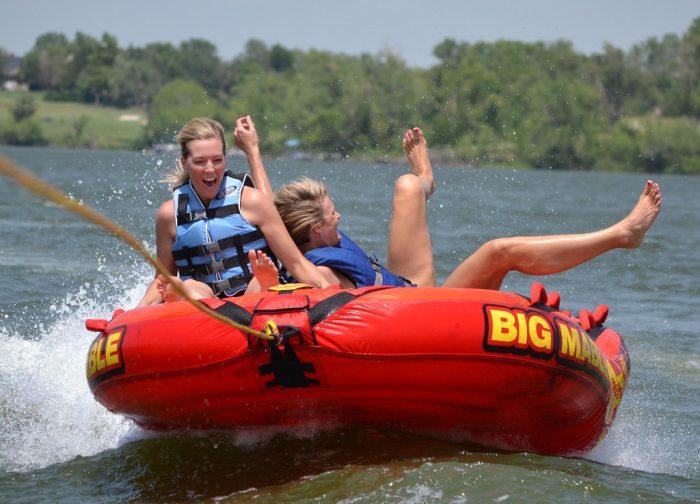
A tubing safari is an outdoor adventure that involves floating down a river on an inflated tube while observing wildlife and natural surroundings. Unlike traditional safaris, where participants typically travel by vehicle or on foot through dry landscapes, a tubing safari provides a unique water-based perspective. This experience often takes place in the picturesque waterways of Uganda, offering a serene way to explore nature.
One key difference is the mode of transportation. In tubing safaris, participants relax on inflatable tubes, letting the river’s current carry them. In contrast, traditional safaris rely on four-wheel-drive vehicles or walking trails. Because tubing safaris occur on water, they provide access to riverine environments, giving participants the chance to spot aquatic species, such as hippos, crocodiles, and a variety of water birds, which might not be as visible on land during typical Uganda tours.
Additionally, tubing safaris emphasize a slower pace, allowing participants to unwind and closely observe their surroundings without engine noise or hurried schedules. This is different from vehicle safaris, which may involve longer distances covered to locate wildlife, sometimes at higher speeds, and often lead to unforgettable wildlife encounters.
An example would be tubing along a river bordered by lush vegetation, with the opportunity to see animals coming to the water’s edge to drink. In a traditional safari setting, such observations might require parking a vehicle at specific points or using binoculars from afar. Overall, tubing safaris provide an intimate, peaceful connection to the natural world, focusing on riverside and aquatic ecosystems, making them a perfect addition to any Uganda holiday safaris.
Where in Uganda can tube safaris be experienced?
In Uganda, tubing safaris are predominantly available on the Nile River, particularly in the Jinja region. This area, located near the source of the Nile, offers a calm flow in certain stretches, making it ideal for a relaxed Uganda safari experience. The region is also popular for various water-based activities, attracting adventure enthusiasts from around the world.
The specific parts of the Nile suited for tubing include sections with slower currents. For instance, the area right after the river’s rapids is a prime spot for tubing. These sections allow safe floating while providing views of riverside wildlife, such as birds and small animals drawn to the water, enhancing the overall wildlife encounters.
In addition to the Nile, some smaller rivers or streams in Uganda also host tubing options, although they are less widely known. These may offer more secluded experiences in picturesque natural surroundings, perfect for those looking to discover Uganda’s hidden gems.
Jinja is well-equipped to support tubing safaris, with several tour operators offering guided tubing packages. This ensures that visitors are well-prepared and informed. After the tubing activity, guests can explore nearby attractions such as Lake Victoria, local breweries, and cultural landmarks like the Source of the Nile monument, making it a fulfilling day trip.
In summary, Jinja serves as the primary hub for tubing safaris in Uganda, drawing visitors with its blend of calm river settings and the adventure-filled backdrop of the mighty Nile River, creating unforgettable Uganda holiday safaris.
What equipment or gear is required for a tube safari in Uganda?
Several items are essential for participating in a tube safari to ensure comfort, safety, and enjoyment. Here’s a breakdown of the recommended gear and equipment:
- Inflatable Tube: The main item for the activity is a sturdy inflatable tube. These are usually provided by tour operators and are specifically designed to handle the river’s conditions.
- Life Jacket: A life jacket is a must for safety, ensuring buoyancy even for those who are not strong swimmers. Most professional tour operators include life jackets as part of the package.
- Protective Footwear: Lightweight water shoes or sandals with straps are ideal, as they allow comfort and grip in case participants need to walk along rocky edges or banks.
- Sun Protection: Hats, sunglasses with straps, and waterproof sunscreen are essential. Being on the water means extended exposure to sunlight, which can lead to sunburn or glare.
- Dry Bags: For safekeeping of valuable items like phones, cameras, and wallets, a dry bag helps keep belongings protected from water.
- Appropriate Clothing: Comfortable swimwear or lightweight, quick-drying clothes are ideal. It’s also a good idea to bring an extra set of clothes for changing afterward.
- Snacks and Water: For extremely long tubing excursions, carrying a small supply of snacks and water is helpful. Some operators may provide refreshments as part of their service.
- Waterproof Camera/GoPro: While not essential, many participants bring waterproof cameras or GoPros to capture moments during the safari.
All necessary equipment, especially tubes, life jackets, and guides, are typically provided by tour operators as part of the safari package. However, participants are encouraged to confirm the inclusions before booking. For comfort and practicality, personal items like sunscreen, hats, and extra clothes should always be brought along.
What is the best time of year to go on a tube safari in Uganda?
The ideal time for a tubing safari in Uganda is during the dry seasons, which occur from December to February and June to September. These periods are favorable for tubing because there is less rainfall, making water levels more manageable and reducing the likelihood of strong currents or dangerous rapids. Additionally, these dry months ensure a superior Uganda safari experience with safer and more comfortable weather conditions, as the skies are generally clear and temperatures are moderate.
During the dry season, the rivers are usually calmer, making it easier to float peacefully while enjoying the picturesque waterways. This is especially useful for first-time participants who may feel uneasy about rough waters. Moreover, wildlife tends to gather around water sources during this time, allowing tourists a better chance to observe animals like birds, monkeys, and even small mammals along the riverbanks, enhancing their wildlife encounters.
Conversely, while tubing safaris could technically be done during the wet seasons (from March to May and October to November), these months bring heavier rainfall. Rain can cause rivers to swell, leading to faster currents and potentially unsafe conditions for tubing. Furthermore, trails, entry points, and activities around water can become muddy and challenging to navigate, which might detract from the overall safari activities.
In summary, if you’re planning a tubing safari, aim for the dry seasons to enjoy calmer waters, improved safety, better wildlife viewing, and pleasant weather conditions.
What types of wildlife and scenery can one expect to encounter on a tube safari?
While on a tube safari in Uganda, participants can expect a mix of wildlife along the riverbanks and incredible natural scenery shaped by lush surroundings. The type of wildlife and scenery may vary depending on the river and the region visited. Many tube safaris in Uganda take place along rivers that flow near national parks or protected areas, increasing the chances of spotting animals.
One of the most commonly observed animals includes different species of birds. Uganda is known for its richness in birdlife, so tubers may see kingfishers, herons, egrets, and even the iconic African fish eagle gliding above the river or resting nearby.
Additionally, small primates such as vervet monkeys or colobus monkeys may be seen playing in the trees along the riverbanks. Occasionally, tubers may catch glimpses of other wildlife coming to drink from the water, including antelopes or even warthogs, depending on the location.
In terms of scenery, the landscape around the rivers typically features vibrant vegetation, with many areas bordered by dense forests or broad savannahs. Scenic views often include overhanging trees, reeds swaying with the flow of water, and the occasional rocky outcrop. The serenity of floating along the water provides up-close access to the natural beauty of Uganda’s ecosystems.
As for the underwater environment, rivers like the Nile also host fish species such as tilapia, catfish, and small cichlids. While these might not always be visible during a tube safari, knowing the diversity of life beneath the surface enhances the experience.
How long do tube safaris generally last, and are there different tour options?
Tube safaris typically last between one and three hours, though exact durations depend on the specific river, the distance covered, and the speed of the water current. Some operators may also offer shorter or longer tubing experiences tailored to the preferences and physical abilities of the participants.
For those who prefer shorter outings, a one-hour tube safari might involve floating along a calm stretch of river. These shorter tours are suitable for beginners, families with young children, or anyone looking for a quick and relaxing activity. Shorter tours might also include stops for birdwatching or scenic photo opportunities before returning to the start point.
Longer tube safaris, lasting closer to three hours, may involve traveling farther downstream. Participants on these extended tours often get a more immersive experience in the natural environment, with increased opportunities to see wildlife or explore more diverse landscapes along the riverbanks.
Some tour operators also provide “combo” packages that include additional activities such as picnic stops, nature walks, or even a chance to swim in designated safe areas along the river. For example, a tube safari along the Nile in Uganda could be combined with stops at small islands or other local attractions, providing more variety over the course of the trip.
Tour options also vary in terms of group size. You might find private safaris for small groups, which offer a more personal experience, or larger group tours that may be more economical. Each option comes with its unique appeal depending on the preferences of the participants.
Are tube safaris safe, and what precautions are taken to ensure safety?
Safety is a primary consideration for participants in tubing safaris. A tubing safari involves floating along a river on an inflatable inner tube, and organizers prioritize measures to minimize risks. Trained guides accompany groups to oversee safety and ensure smooth navigation on the water. These safari guides are familiar with river conditions, currents, and potential hazards, such as rocks or areas with strong flow.
Life jackets are provided to all participants. Wearing a life jacket ensures better buoyancy in the water, even for individuals who might not be confident swimmers. Helmets may also be part of the protective equipment, especially in rivers with faster currents or uneven bed surfaces.
Understanding the river’s characteristics is central to safety. Before starting, guides explain important details of the journey, including how to handle the tube, avoid obstacles, and what to do in case of any issue. This briefing helps participants feel more prepared for their uganda safari experience.
Precautions such as restricting activities during bad weather, like heavy rain or flooding, further reduce risks. Rivers swell and flow rapidly in these conditions, and operators often wait for calmer, safer days to operate.
For families with children, many providers offer specific tours tailored to safer sections of the river. These areas often have stiller waters and fewer obstacles, making them ideal for beginners or young participants.
All in all, tubing safaris can be considered safe, provided participants follow instructions, wear the provided safety gear, and listen to their guides.
Do you need prior experience or training for a tube safari?
No prior experience or special training is needed to participate in a tubing safari. These activities are designed for people of all skill levels, making it possible for even those who have never floated on a river before to join in on an unforgettable Uganda safari experience. Before the activity begins, the tour operators and safari guides provide instructions to participants, covering the basics of how to use the tube and navigate the picturesque waterways.
For example, during the pre-safari briefing, guides may explain how to sit comfortably in the tube so you stay balanced. Additionally, they’ll describe how to steer the tube by using your hands and feet to gently push against the water. Participants also receive demonstrations on how to avoid obstacles, such as tree branches or rocks, and what to do if they fall out of the tube.
Children and non-swimmers are welcome in many tours as long as they wear safety gear like life jackets. Guides stay close to the group at all times and are ready to assist anyone who encounters any problem. This supervision provides a level of comfort to those who might feel uncertain starting out.
It’s also helpful to remember that you don’t need to swim for this activity. The tube itself acts as a floating device, and wearing a life jacket further adds to your safety. A willingness to follow instructions and relax in the water is the most important thing.
In short, beginners and first-timers can participate without worrying about prior training. Tubing safaris are structured to offer a fun and accessible experience for all who wish to discover Uganda’s stunning landscapes.
What are the costs associated with tube safaris, and are there budget-friendly options?
The cost of a tubing safari can vary depending on the location, duration of the activity, and the services included in the package. In Uganda, prices for a standard tubing safari experience typically range between $20 to $50 per person for basic tours. For premium experiences, which may include refreshments, snacks, or transportation, prices can range higher, from $50 to $100 per person. Those planning Uganda holiday safaris should consider these price ranges when budgeting.
Some operators offer tailored packages, such as family-friendly tours or extended safaris covering scenic parts of the river, which may have added costs. However, group discounts or promotional deals may be available, making the experience more affordable for larger parties. For individuals traveling with friends or larger groups, this can significantly reduce per-person expenses, enhancing the overall Uganda safari experience.
Budget-friendly options also exist. Simple tours that avoid luxury additions and stick to the basics, such as offering only the inner tube and safety gear, are a great way to enjoy the activity without overspending. Asking in advance about any extra costs ensures clarity, especially for optional activities like stopping for a picnic along the riverbank during your tubing safari.
Those looking for affordable experiences can also check with smaller operators or book during off-peak times, as prices are often lower when demand is not as high. It’s always a good idea to inquire whether items like transportation to the river, meals, or drinks are part of the cost, especially when planning a future trip.
Comparing options can help you find an experience that suits your budget while still providing an enjoyable outing. With the right research and planning, you can discover Uganda’s beautiful waterways and make the most of your tubing safari adventure.
Are guided tube safaris available, and how knowledgeable are the guides about the local environment?
Yes, guided tubing safaris are available in Uganda, offering a unique way to experience the stunning waterways of the region. These guided tours are led by local experts who possess a deep understanding of the environment, wildlife, and ecosystems in the area. With their extensive knowledge, these safari guides enhance the Uganda safari experience by identifying various plant and animal species, interpreting their behavior, and explaining their interactions with the surrounding nature, creating a richer experience for participants.
For instance, a knowledgeable guide on a tubing safari along the mighty Nile River might point out rare birds like the shoebill stork or explain the role of hippos in the aquatic ecosystem. They can also share fascinating insights about local communities living near the water, their customs, and how they interact with the river. Such anecdotes help participants appreciate their safari activities on a deeper level, making their trip unforgettable.
Additionally, guides are usually well-versed in safety protocols. They monitor conditions such as water currents and weather changes and ensure participants understand basic safety practices. Having a knowledgeable guide adds an element of reassurance, especially for those unfamiliar with tubing.
When planning a tubing safari, it’s wise to inquire about the guides’ credentials and experience. Many reputable tour companies in Uganda employ guides who have participated in conservation or wildlife training programs, ensuring they are both skilled and environmentally conscious.
Overall, guided tubing safaris not only enhance the enjoyment of the adventure but also provide an opportunity to learn about local ecology and culture from someone who knows the area intimately, making it a top choice for wildlife lovers seeking a unique Uganda holiday safari.
What is the environmental impact of tube safaris and how sustainable are they?
Tube safaris, a unique tubing experience, generally have a low environmental impact compared to other tourism activities, provided they are conducted responsibly. This unforgettable Uganda holiday safari involves floating down picturesque waterways in inflatable inner tubes. Since no heavy machinery or major infrastructure is required, the activity itself does not contribute to large-scale habitat disruption. However, the environmental impact depends on how waste, noise, and human behavior are managed during the safari.
For instance, careless littering by participants can harm aquatic life, and excessive noise may disturb the wildlife living on or near the water. To mitigate such issues, eco-conscious tour operators often enforce strict “leave no trace” policies. Participants are encouraged, or even required, not to leave behind trash or any harmful materials. Some tours also include education on protecting the environment, ensuring visitors understand how small actions, like using biodegradable sunscreen, can minimize harm to the ecosystem.
Another important factor is how local communities are involved in the tubing safaris. If managed well, the operation of tube tours can provide jobs and income for nearby villages, contributing to sustainable tourism. This can incentivize conservation of natural resources, as locals see a direct benefit in preserving the rivers and wildlife.
To ensure sustainability, potential participants should choose tour operators that actively invest in environmental conservation and follow responsible practices. For example, some operators partner with organizations to conduct river cleanups or contribute to wildlife protection programs. When done right, tube safaris can be a way for visitors to connect with nature while supporting its preservation, making it a perfect choice for wildlife lovers seeking an authentic Uganda safari experience.
What other activities or attractions can be combined with a tube safari in Uganda?
Uganda offers a wide variety of activities that can complement a tube safari, making a visit even more enriching and enjoyable. The combination of water-based adventures with wildlife safaris, cultural tours, or hiking ensures there’s something for everyone.
One popular combination is white-water rafting, particularly in areas like Jinja, where the source of the Nile is located. While tubing provides a relaxing way to float along the calm parts of a river, white-water rafting offers a thrilling experience on sections with rapids.
For those interested in wildlife, Uganda’s national parks are a major attraction. Visitors can go for a traditional safari to see animals like lions, elephants, and giraffes up close after enjoying the peaceful waterways on a tube. Places like Murchison Falls National Park are especially famous for their scenery and biodiversity.
Hiking and trekking are also great options to combine with a tube safari. For example, those who enjoy the outdoors might consider trekking in the Rwenzori Mountains or hiking up to the world-famous gorilla habitats in Bwindi Impenetrable Forest. These activities offer incredible opportunities to see different ecosystems and landscapes.
Cultural experiences can round out your trip. Uganda is home to diverse communities, and visitors can experience traditional music, dance, and cuisine by visiting local villages. Engaging with local craft markets or participating in cultural exchanges offers a unique glimpse into life in the region.
Lastly, for those seeking relaxation, there are multiple resorts and lodges around the Nile or Lake Victoria where visitors can unwind. Combining tubing with some leisure time at these tranquil spots is a great way to balance adventure with rest.
Overall, Uganda provides ample opportunities to design a well-rounded itinerary, blending water-based activities like tubing with wildlife, culture, and outdoor exploration.